Innovative architecture designs from the University of Nottingham engage community and ecology, focusing on sustainable practices while addressing critical environmental issues.
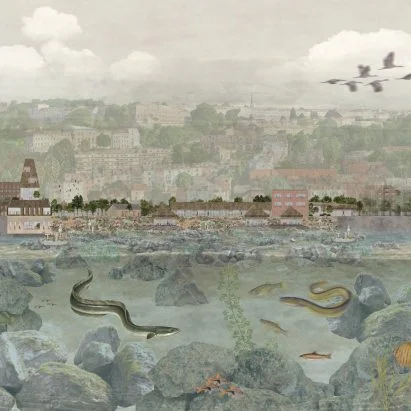
A series of projects from the University of Nottingham's Department of Architecture and Built Environment showcases significant architectural responses to pressing environmental issues, with a spotlight on the alarming decline of the European eel. This initiative brings forth designs that not only contribute to sustainability but also foster community engagement and ecological recovery.
Ecological Immersion at Anguilla
One standout proposal is the "Anguilla: European Eel Conservation and Education Centre" by Lily-Grace Conradie. This project reimagines conservation, intertwining architecture with the intricate lifecycle of the European eel. The design aims to serve as ecological infrastructure, building connections between habitats and communities while creating spaces that promote restoration and learning. It's a thoughtful exploration of how architectural spaces can act as mediators for ecological recovery and human interaction.
Engaging Urban Communities
The "Common Ground" project by Oyku Kadioglu further pushes the boundaries of traditional architecture by focusing on soil and food while enhancing public engagement with environmental research. This Soil Research Centre in Lincoln features transparent laboratories that allow visitors to witness ongoing research, culminating in a greenhouse experience. It's an ambitious proposal that integrates educational pathways with urban green spaces, aiming to create a healthier urban environment.
Innovative Housing Concepts
Faith Spencer's project, "Housing as a System, Not an Object," reinterprets a multi-storey car park in Milton Keynes as a civic housing factory. This design showcases the production of timber housing components while maintaining public access to the manufacturing process, effectively transforming housing from mere end product to integral part of community and public engagement.
Addressing Housing Needs Creatively
Another noteworthy design, "The Parade Gardens" by Oliver Hanley, transforms an unfinished developer-focused apartment building into a welcoming community space for veterans and military families. This adaptive reuse project not only addresses the urgent housing crisis in the UK but does so by prioritizing people and nature, creating high-quality housing and shared spaces that foster community and well-being.
Unique Approaches to Infrastructure
Nishty Anupchandra's "The Current Academy" presents an innovative approach to water treatment facilities by making the technology accessible and visible to the public. This educational center combines phyto-remediation with traditional water purification methods, engaging visitors and integrating environmental education into everyday spaces.
Reclamation and Regeneration
In Liverpool, Eva Milanta's "Mersey Works" advocates for the transformation of industrial landscapes into thriving community spaces. This project centers around a circular economy materials warehouse, processing reclaimed materials from the Mersey district and emphasizing sustainability while preserving the area's industrial heritage.
Creating Pathways for Artistic Communities
Building on Hull's rich maritime heritage, Ella Moore's "Between Movement and Mooring" responds to the displacement of artists in the area. The project envisions reestablishing a creative community through temporary and permanent structures, encouraging artistic collaboration and knowledge-sharing while enhancing public engagement with the waterfront.
Fostering Community and Ecology
Hope Yeates offers an intriguing take on recreation and education through "Stewards of the Strata," which aims to transform Horseshoe Quarry into a research and climbing center. This design emphasizes a blend of scientific exploration and recreational activities, challenging visitors to engage actively with the environment and learn about geology and ecology in a practical context.
These innovative designs from the University of Nottingham represent a significant shift towards integrating environmental consciousness into architectural practices, driving forward a narrative that emphasizes sustainability, community, and human connectivity with nature. Through such projects, the future of architecture looks not only to address housing needs but also to heal and reconnect communities with the environments in which they live.
As these architect students illustrate, the architecture of tomorrow isn't just about creating structures, but about cultivating a profound connection between people and the ecological systems that sustain them.
This content is part of a collaboration with the University of Nottingham. Read more about their initiatives and projects through various partnerships.
Discussion
Sign in to join the discussion.