Schaum Architects has been appointed to restore the historic Artillery Sheds at the Chinati Foundation, enhancing structural integrity while honoring Donald Judd's original vision.
Renovation of Historical Significance
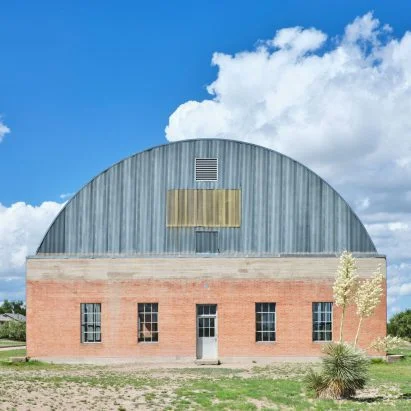
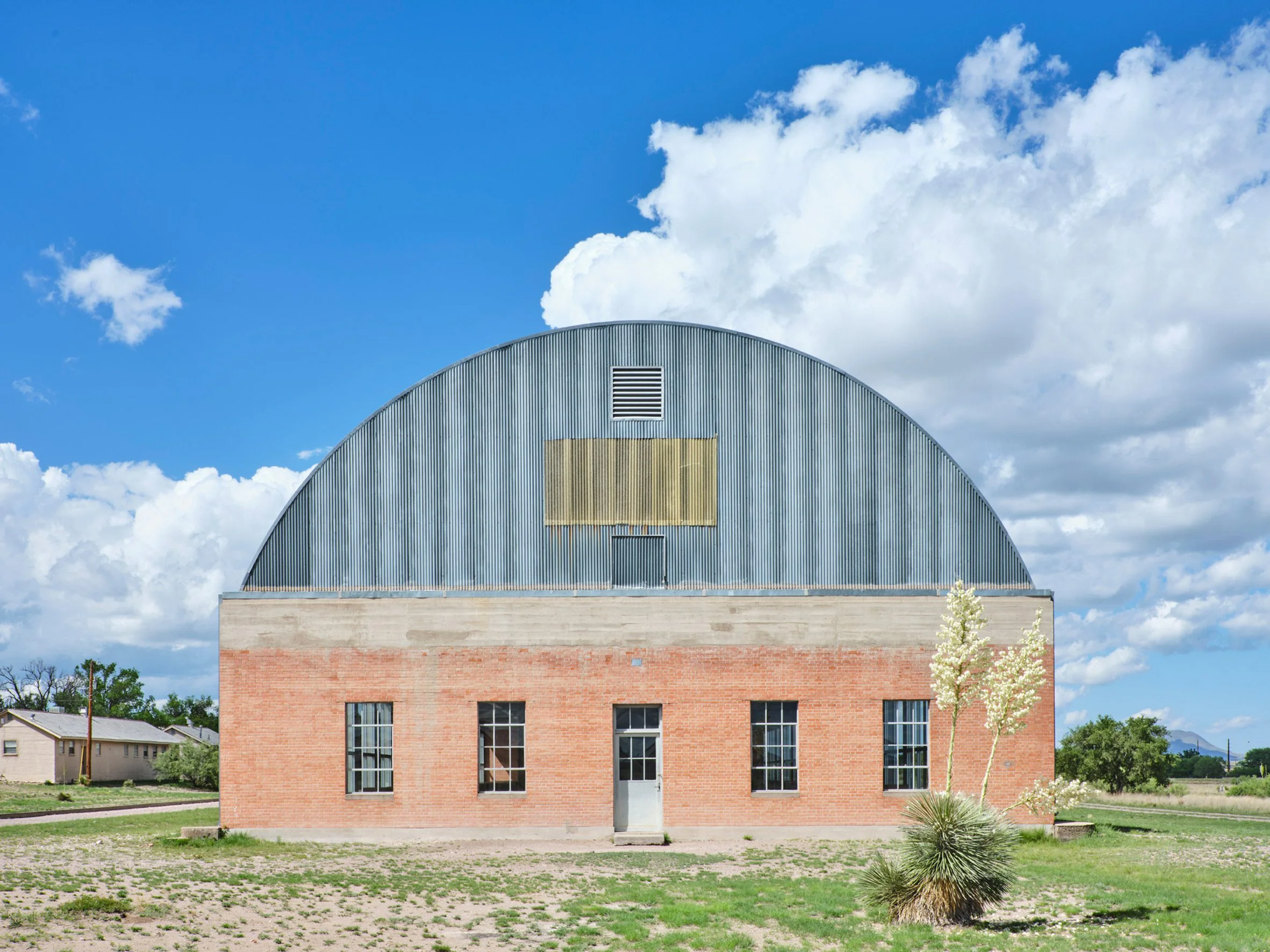
Texas-based Schaum Architects is set to take the lead on the restoration of the Artillery Sheds at the Chinati Foundation, a prominent cultural site created by artist Donald Judd in Marfa. Originally constructed in the 1930s as military structures, these sheds have been transformed by Judd into essential storage and exhibition venues for his work since the 1980s. This transformation showcases not just the adaptability of the sheds, but also Judd's innovative vision for art spaces that blend functionality with artistic integrity.
Preserving Artistic Integrity
As the design architect for this significant renovation, Schaum Architects aims to preserve Judd's aesthetic while upgrading the buildings to accommodate modern mechanical systems. Judd's influence on contemporary art and architecture is profound, and the restoration project raises questions about how to honor an artist's original vision while also meeting today's needs. The focus here isn't merely on aesthetics; it extends to how these spaces function and how visitors interact with them. Maintaining the integrity of Judd’s design is paramount, with particular attention paid to the Quonset-hut style roofs and the unique quartered windows that replaced the original garage doors, both of which are defining features of the sheds.
A Holistic Approach to Restoration
Troy Schaum, the firm’s founder, has discussed the philosophy behind the restoration, emphasizing a holistic approach: “We have to think about this work in an integrated way because there is no real envelope – the interior and exterior of the buildings are linked.” This viewpoint reflects a broader trend in architecture and preservation where the relationship between interior space and exterior environment is increasingly recognized as critical. The integration of these spaces can enhance both visitor experience and the buildings' overall functionality.
The renovation will involve collaboration with various experts from the Chinati Foundation, including executive director Caitlin Murray and director of preservation and planning Stephen Martin. Effective collaboration among these professionals is key to ensuring that updates reflect both the foundational integrity of Judd's work and contemporary needs. They’ll be implementing critical updates to both the shed's structures and the surrounding landscape. This partnership signifies a commitment to upholding not just artistic values but also the practical considerations of preserving historical sites in an ever-changing environment.
Upgrades and Improvements
Among the proposed interventions is a new gutter system designed to enhance drainage and stabilize the roofing. Schaum notes that the installation of kicker braces will secure the roof while addressing historical water issues. This practical concern shows how preservation isn't just about maintaining the original look of a building; it's also about ensuring that it stands the test of time against nature. Water damage has historically been a significant issue for many historical structures, and proactive measures are essential in safeguarding these cultural landmarks.
The landscape restoration project, led by Houston-based Dept LLC and local designer Jim Martinez, aims to rehabilitate parts of the site still bearing the scars of past military use. An ADA-compliant walking path is also planned to improve accessibility. These enhancements represent a significant design consideration that not only improves visitor experience but also extends the reach of the foundation's mission to educate and engage a diverse audience. Access is often overlooked in architectural renovations, yet it's a vital component that can redefine how many individuals experience art and culture.
Modern Climate Control Challenges
Addressing air conditioning presents another challenge for the renovation team. Currently, the sheds lack mechanical systems, and Schaum aims to keep operations quiet and eco-friendly. Their strategy will involve introducing low-energy, solar-powered filters using existing concrete expansion joints, which will circulate air and enhance comfort without compromising the building's character. The focus on environmental sustainability in operational systems marks a shift in preservation practices. Rather than simply replicating ideal climate settings, this method underscores the value of maintaining the building's original environment while providing comfort to visitors.
"The design answer is a system visitors will never see or hear," the studio stated, emphasizing their commitment to a minimally invasive solution that will maintain the integrity of the interior. As visitors experience Judd’s work, they won’t be distracted by modern systems that clash with the shed's character.
Impact of Restoration on the Chinati Foundation
The restoration will require the sheds to close during construction, necessitating the removal of Judd's milled-aluminum works for the first time since their installation. While this might seem like a loss to patrons, the rest of the Chinati Foundation will remain accessible to visitors. This represents a balancing act between preservation and access. Managing expectations during this period will be key; patrons will need to be informed about what’s changed and what’s still available for viewing, maintaining the foundation's connection with its audience.
Troy Schaum, formerly a principal at Schaun/Shieh, has a history of working on projects linked to Donald Judd, including a recent renovation of Judd's architecture office. Other notable restoration efforts include the revitalization of Judd's former New York studio, demonstrating a deep commitment to honoring the artist's legacy. The ongoing connections between Schaum Architects and Judd’s body of work suggests a careful stewardship that values authenticity as much as innovation.
Implications and Future Outlook
What this means for you, particularly if you're working in this space, is that the standards for preservation and modern adaptation are shifting significantly. Those involved in architectural design and historical preservation need to contend with not only aesthetic elements but also practical functionalities. The future of art spaces might increasingly require such nuanced approaches, balancing creative expression with professional sustainability. As projects like this unfold, the emphasis on how we care for and adapt our historical sites could redefine engagement with art in broader society. More than just preservation, this trend advocates for a holistic dialogue between past and present—the intersection where integrity and functionality meet.
The photography is by Alex Marks.
The post Schaum Architects to lead restoration of Donald Judd's Artillery Sheds in Texas appeared first on Dezeen.
Discussion
Sign in to join the discussion.