The University of Nottingham showcases innovative projects, including a vending machine that serves fresh chapatis in Indian corporate canteens.
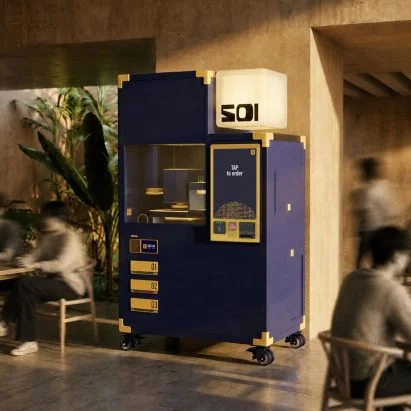
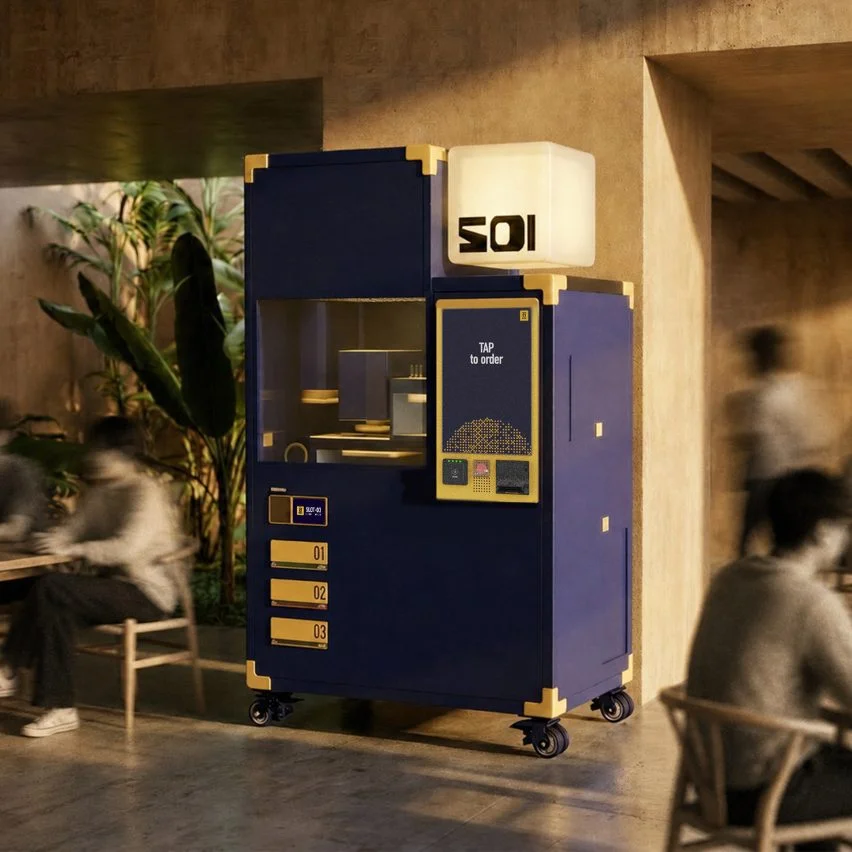
At the forefront of culinary innovation, a new vending machine designed by the University of Nottingham is set to revolutionize the food experience in corporate canteens across India. This ingenious project, part of a broader showcase from the university’s engineering faculty, specifically addresses the needs of busy professionals looking for quick, fresh meals without compromise. In an era where time is at a premium, finding nutritious options often becomes an afterthought for many. Soi aims to change that narrative.
An Automated Chapati Experience
The machine, named Soi (सोय), specializes in crafting and dispensing chapatis—a staple in Indian cuisine. Daily consumption numbers exceed 3.3 billion chapatis, yet maintaining their freshness can be a challenge, particularly for working individuals who rely on homemade options that can become stale. With Soi, users can enjoy piping hot chapatis made on-demand. This on-demand feature not only supports fresh meal preparation but also caters to the evolving dining habits of a workforce that often prioritizes speed and convenience.
Utilizing an intuitive touchscreen interface, Soi enables users to customize their orders effortlessly. The machine allows variations in size or even the option to add toppings, something that taps into a growing desire for personalization in food choices. Within a minute, users can get fresh chapatis that are kneaded, pressed, and puffed right before their eyes. The design incorporates color-coded slots which facilitate easy collection, ensuring a seamless experience from order to pick-up. A quick glance around a busy office can reveal employees often juggling tasks while trying to squeeze in meals. Soi provides a solution that meets them where they are.
But the innovation doesn’t stop at convenience. Constructed from food-grade materials, Soi integrates patented technologies, offers NFC-controlled access, and employs IoT monitoring for hygiene and maintenance. This thoughtful approach meets the critical demands for reliability and cleanliness in food services, particularly in corporate environments. The integration of smart technology speaks to a larger trend in food service—ensuring that health protocols are not just met but exceeded, with traceable hygiene practices.
The Power of Practical Design
Part of the university’s broader focus on practical engineering and product design, the Soi project reflects an acute understanding of consumer needs in the modern workplace. It’s more than just a machine; it’s an exploration of how daily routines can benefit from thoughtful engineering. Alongside the chapati machine, the exhibition features a variety of other notable projects that merge functionality with contemporary design ethos. Each project is a microcosm of the trends and challenges facing various sectors today.
Other projects include a wearable monitoring system for open water, an automated vinyl playback device, and medical innovations that reimagine surgical lighting. Each of these projects exemplifies the students' commitment to addressing real-world challenges through engineering and design. They’re not only solving problems but also anticipating future needs, which is key in this rapidly changing world. And here’s the thing: these innovations often go unnoticed in larger conversations about technological advances, but their impact can be significant.
University of Nottingham’s Approach to Education
The Faculty of Engineering at the University of Nottingham fosters a learning environment where students can thrive in the fields of product design and manufacturing. The university's emphasis on a balanced approach—combining theoretical knowledge with hands-on experience—ensures that graduates are well-prepared for the challenges of the industry. Their high employability rates serve as a testament to this educational philosophy.
The faculty emphasizes project-based learning, where students are encouraged to explore solutions that possess both commercial viability and sustainable practices. This methodology not only nurtures creativity but also instills a sense of responsibility among students regarding the environmental impacts of their designs. Through access to advanced technologies like 3D printing and virtual reality labs, students translate ideas into tangible products, addressing contemporary issues creatively. If you’re working in this space, you’ll appreciate how such integration can foster a new generation of problem-solvers.
Implications for Corporate Dining and Future Outlook
The launch of Soi stands as a testament to the innovative spirit nurtured at the University of Nottingham. As the trend towards automation in food services continues to grow, solutions like Soi not only enhance efficiency but also provide a cultural touchstone, marrying tradition with modern technology. The potential influence of this project on India’s corporate dining landscape could be profound, making fresh, authentic chapatis accessible anytime, anywhere.
Looking ahead, the ramifications extend beyond just corporate settings. As urbanization increases and lifestyles become more fast-paced, the need for convenience in meal options will only intensify. This solution, therefore, doesn’t just cater to office workers; it sets a precedent that could influence how quick-service foods are accessed in various public spaces. The food service sector is at a tipping point and such innovations might redefine how we think about convenience, nutrition, and cultural preservation in our daily lives. Watch this space.
Discussion
Sign in to join the discussion.