AI is reshaping architectural visualisation, enhancing communication and workflow flexibility for designers, while promoting emotional storytelling.
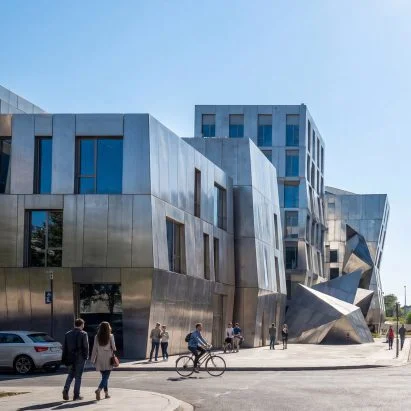
Architects and designers are witnessing a significant transformation in visualisation practices, driven by advancements in AI-assisted tools and evolving client expectations. Chaos, a software company specializing in this space, points out that these innovations are turning visualisations from mere end-product outputs into dynamic communication aids that enhance the creative workflow.
"Visualisation isn’t just about generating a final image anymore," Chaos states, emphasizing the shift towards creating a more interactive and engaging process from inception to presentation. This change reflects a broader movement in the architectural field, where stakeholders are increasingly looking for tools that promote dialogue and exploration, rather than a simple reveal of architectural intentions at the project's end.
Embracing AI for Enhanced Workflows
The integration of AI has redefined how architects begin projects. Instead of starting from the ground up, designers frequently respond to AI-generated moodboards or concepts from clients. This approach not only aligns with client visions but also accelerates the workflow, bridging the idea of an "AI dream" with practical, buildable outcomes. It’s more than convenience; it’s about fostering a collaborative environment in which client and designer can engage in a more meaningful way.
Chaos highlights that the utilization of AI tools leads to substantial time savings, particularly during the iterative stages of design. By reducing the manual effort required for refining details like textures and lighting, architects can focus on higher-level creative decisions rather than tedious tasks. The reality is that time constraints often pressure designers, making it challenging to explore creative ideas fully. AI alleviates some of that stress, opening the door to innovation.
AI as a Storytelling Tool
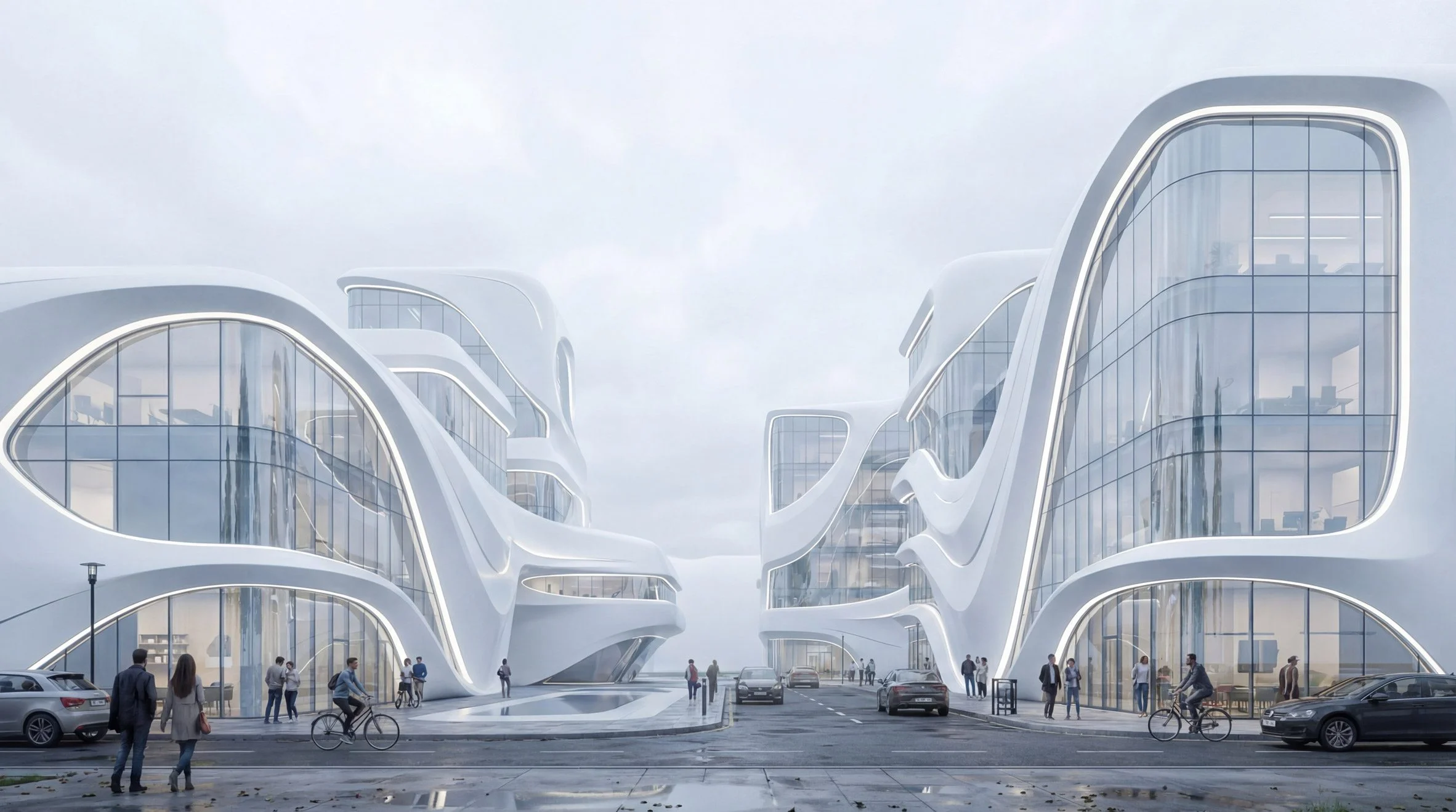
Chaos underlines the idea that visualisation should serve as more than just a tool for showcasing final designs; it’s also a storytelling mechanism. "AI tools enrich the architectural visualisation workflow without replacing the core creative decisions," they explain. This focus on narrative allows professionals to elevate their work by emphasizing emotional connections in their designs. After all, architecture isn’t just about buildings; it’s about the experiences those structures create.
Furthermore, the shift from traditional, linear workflows to a hybrid model aligns both real-time feedback and high-quality imagery, enhancing the efficiency of complex projects. Chaos points out that by merging various tools into one streamlined process, designers can alleviate the burdens of managing multifaceted projects, enabling them to concentrate on storytelling—the essence of impactful architecture. It’s a clever way to transform technical challenges into creative opportunities.

The transition to this hybrid workflow is viewed as a triumph for creativity, allowing professionals to circumvent technical limitations and focus on what distinguishes their work—engaging narratives. Practitioners are encouraged to embrace this shift. If you're working in this space, consider how these AI tools can enhance your projects and client interactions. This is the part most people overlook: the true potential lies in the storytelling aspect of design.
Those interested in exploring AI-assisted visualisation practices can find more information on Chaos' website.
Implications for the Future of Architectural Practice
The evolution of visualisation practices shaped by AI is more significant than it looks. For one, it’s affecting how clients view and understand architectural concepts. With interactive visualisations at their fingertips, clients can engage in discussions that were previously limited to the designer's perspective, leading to a more informed decision-making process and potentially richer project outcomes.
Moreover, this shift has implications for competitive differentiation. Design firms that adopt AI tools early may find themselves at an advantage, able to showcase their visions in ways that speak directly to client needs and aspirations. Competition in the architectural field is fierce, and adapting to technological advances could mean the difference between thriving and surviving.
However, a balanced approach is essential. While AI tools offer numerous benefits, over-reliance on technology could dilute the uniqueness of human creativity. Architects must ensure that these tools enhance rather than replace their artistic vision. The line between tool and artist should remain distinctly recognized. There's real beauty in the human touch and the unique perspectives that designers bring to their works. If this balance can be maintained, the integration of AI into architectural practice could yield truly extraordinary results.
The visuals are courtesy of Chaos.
Partnership content
Find out more about this partnership and related content here.
Discussion
Sign in to join the discussion.