Waka Waka's Ribbon collection transforms steel and aluminum into vibrant furniture, emphasizing both design and materiality for an industrial aesthetic.
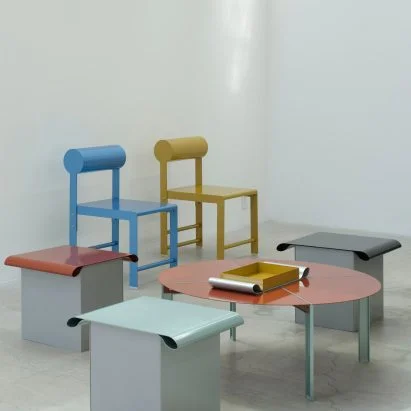
Los Angeles-based design studio Waka Waka has unveiled its Ribbon furniture collection, a stunning assortment crafted from steel and aluminum, notable for its vibrant hues. This collaboration with Japanese manufacturer Benex is part of the innovative Eetal project, which seeks to repurpose sheet metal into functional and artistic forms. The fusion of industrial materials with artistic flair signifies a shift in contemporary furniture design, reflecting a broader trend among designers to seek balance between aesthetics and functionality.
Shifting Perspectives on Material
During the recent 3 Days of Design event in Copenhagen, Eetal highlighted an array of sheet-metal furniture, showcasing the versatility of Benex's aluminum and steel materials. Traditionally, designers like Waka Waka have leaned heavily on materials such as plywood for their warmth and tactile quality. However, this partnership allowed Waka Waka to venture beyond its usual preference for wood, exploring new design avenues with metal. This isn't just about trying something new; it represents a deeper inquiry into the nature of materials themselves and how they can be transformed into design statements.
A New Design Philosophy
Shinichiro Okuda, the designer at Waka Waka, stated, "I primarily use Baltic birch plywood at our studio as our signature material. For this collaboration, I wanted to explore the design possibilities of metal, specifically using sheet material with the same approach I take with plywood." This marks a significant pivot in their design philosophy, emphasizing both the aesthetic and structural properties of metal. By consciously shifting to metal, Okuda is challenging the conventional notions of comfort and warmth often associated with wood, suggesting that such qualities can be achieved through innovative design methods that respect the material's inherent nature.
Design Features and Aesthetic Choices
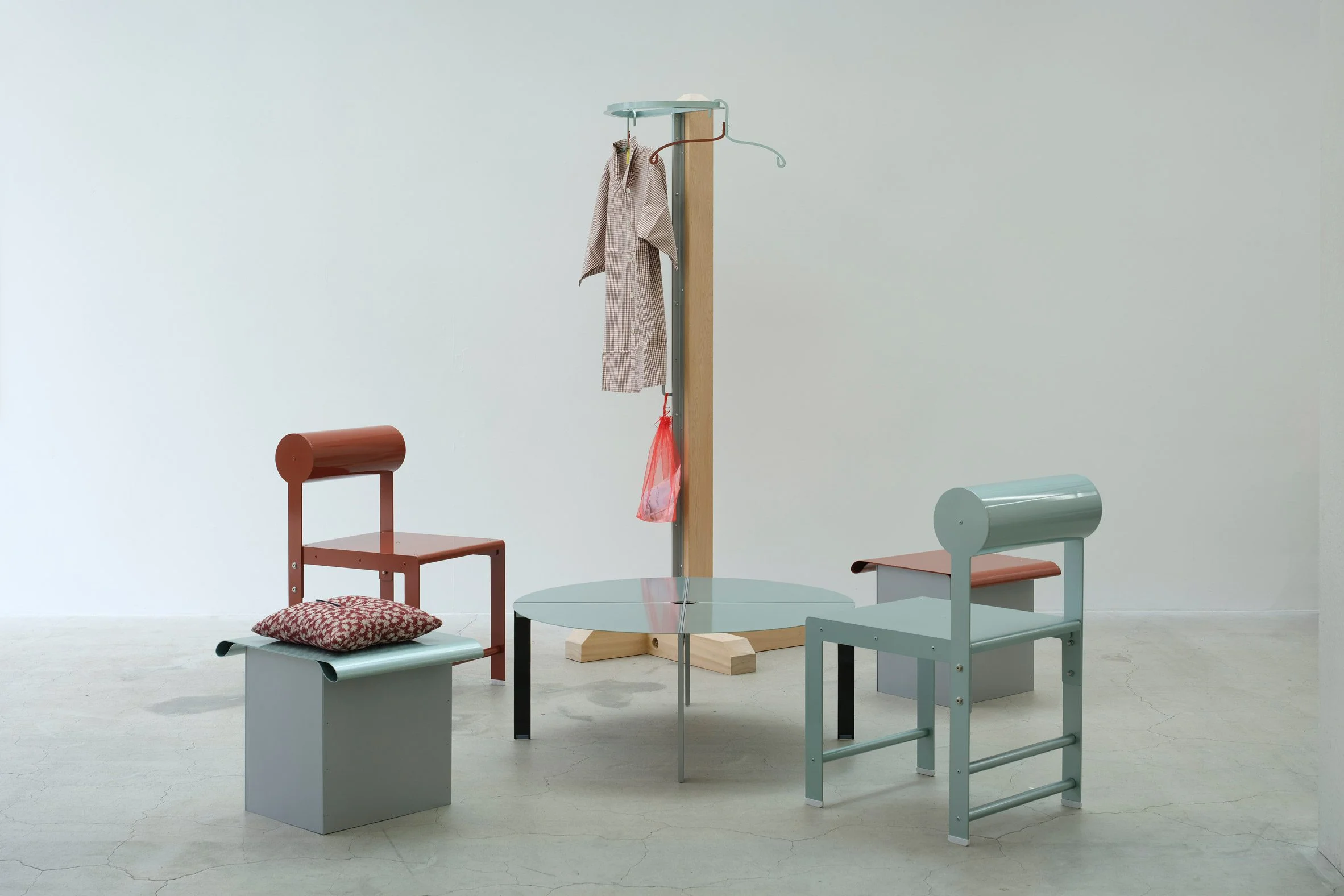
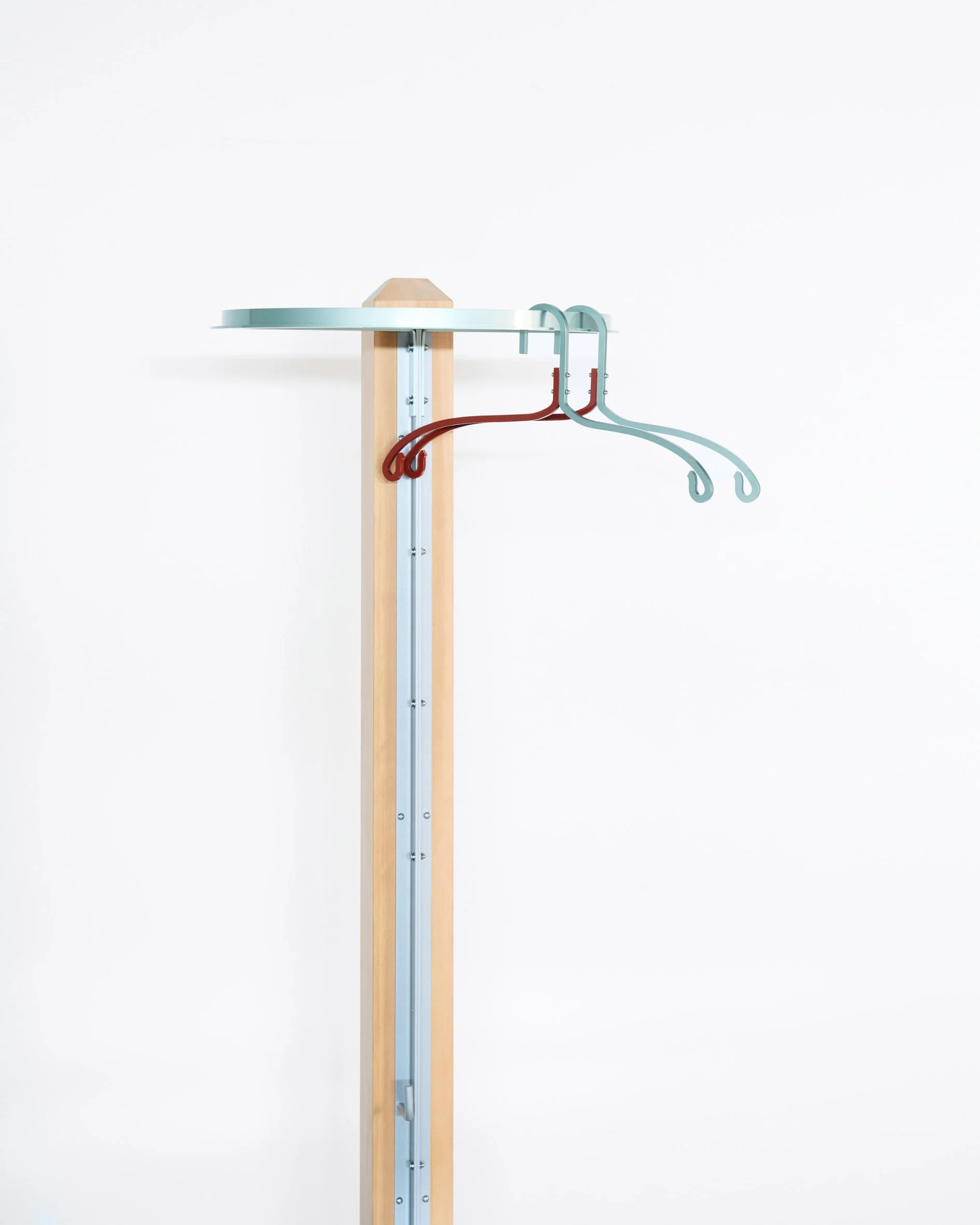
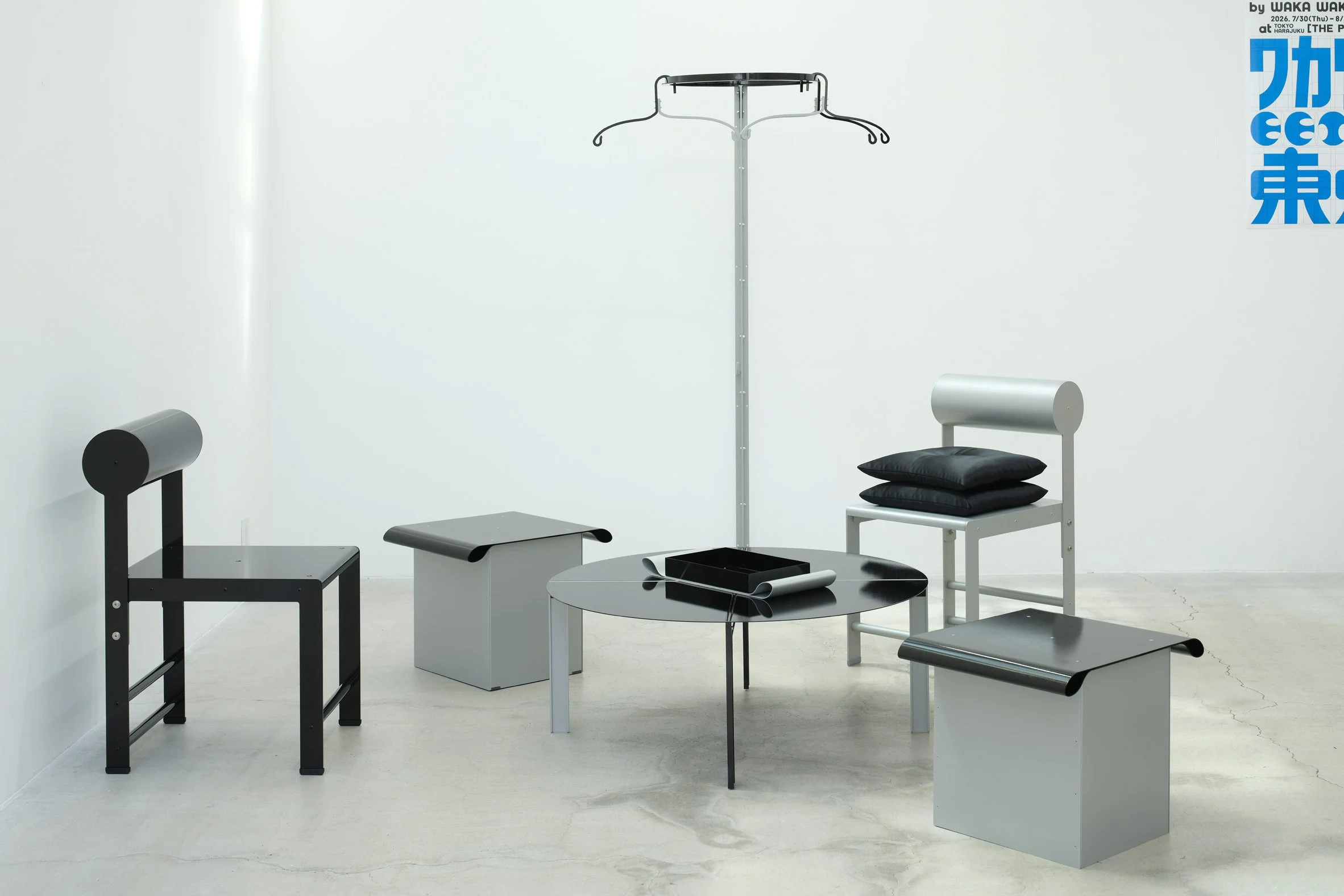
The Ribbon collection comprises a chair, table, stool, and smaller accessories like a tray, clothes hanger, and two types of clothes racks. Each piece is crafted with simple geometric forms such as circles and arches, enhanced by unique ribbon-like edges that offer a polished look. The design not only exemplifies modern minimalism but also allows for an interplay of light and shadow that can transform any space, drawing attention to the physicality of these objects.
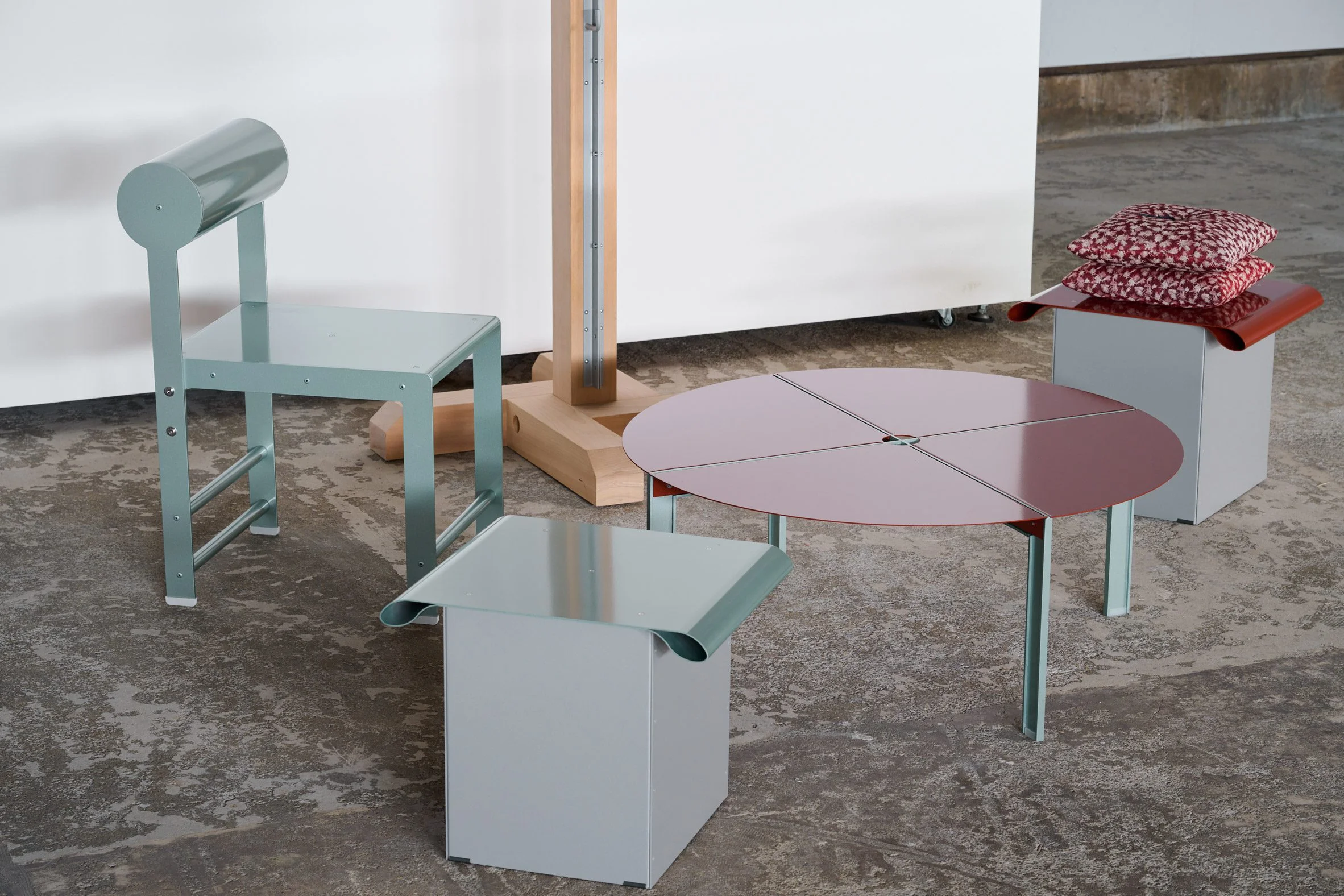
Okuda described the inherent contrast between the metal's "coolness and structure" versus the warmth he aimed to achieve. "The ribbon shape was a way to create fluid lines, imparting warmth and a sense of nature," he explained, while also allowing the raw qualities of the materials to shine through. This juxtaposition of industrial coldness with organic warmth reflects a thoughtful approach to modern design, aiming to connect with users on an emotional level. What this means for you, if you're a designer or enthusiast, is that this collection could redefine your expectations for metal furniture—no longer just utilitarian but also inviting and aesthetically pleasing.
The collection's colors, including yellow, pink, and black, were thoughtfully selected, with a particular blue hue found during a visit to the Benex factory. "The blue was chosen from existing factory colors, a shade widely used in Japanese industrial goods," Okuda elaborated. The studio also drew inspiration from Japan's Edo period to complement the aesthetics of the pieces, ensuring the colors were both vibrant and inviting. (And this is the part most people overlook: the cultural context serves as a backdrop, enriching the narrative of the design even further.) The intentional color choices not only enhance the design but also speak to the seamless blend of modern aesthetics with historical influences.
Market Relevance and Artistic Exploration
Waka Waka's Ribbon collection is not just an exercise in aesthetics; it's an exploration of materiality and form. The pieces, highlighted in exhibitions across Tokyo, Osaka, and Los Angeles, promise to resonate well with those seeking modern furniture that marries industrial vibes with artistic expression. This collection addresses a niche in the market where consumers are increasingly looking for items that feel both functional and personally meaningful. Upcoming shows in Fukuoka and Nagasaki will further expand the collection's reach, potentially bringing these ideas to new audiences who may appreciate this fusion of art and utility.
Significance and Future Outlook
The introduction of the Ribbon collection indicates a growing trend in the design community towards merging industrial materials with artistic creativity. Designers are increasingly recognizing that metal can serve not just as a structural element but also as a means of aesthetic expression. This shift could reshape consumer expectations, making them more inclined to seek out items that are not only stylish but also rich in narrative and cultural significance. If you're working in this space, consider how such collaborative efforts might foster new dialogues between art and design, potentially leading to innovation that transcends traditional categories. The implications of this direction are far-reaching, hinting at a future where furniture is not merely functional but also a canvas for cultural storytelling and expression.
Photography credits go to Kenta Hasegawa.
Catch the Ribbon collection on display at Small Office, 3465 Casitas Avenue, Los Angeles, from September 12 to 27. For more design events, refer to the Dezeen Events Guide.
Discussion
Sign in to join the discussion.