The new Arte Abierto Baja gallery in Cabo del Sol uniquely integrates art with nature, offering an immersive space shaped by light and sea breeze.
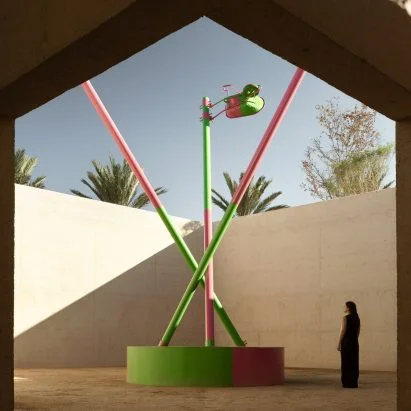
Located in Cabo del Sol, Mexico, the recently inaugurated Arte Abierto Baja by Sordo Madaleno Arquitectos presents an open-air exhibition gallery that redefines the viewer's experience. This innovative venue promotes a dialogue between art and the surrounding landscape, enveloped by monumental concrete and stone walls that enhance its connection to the environment.
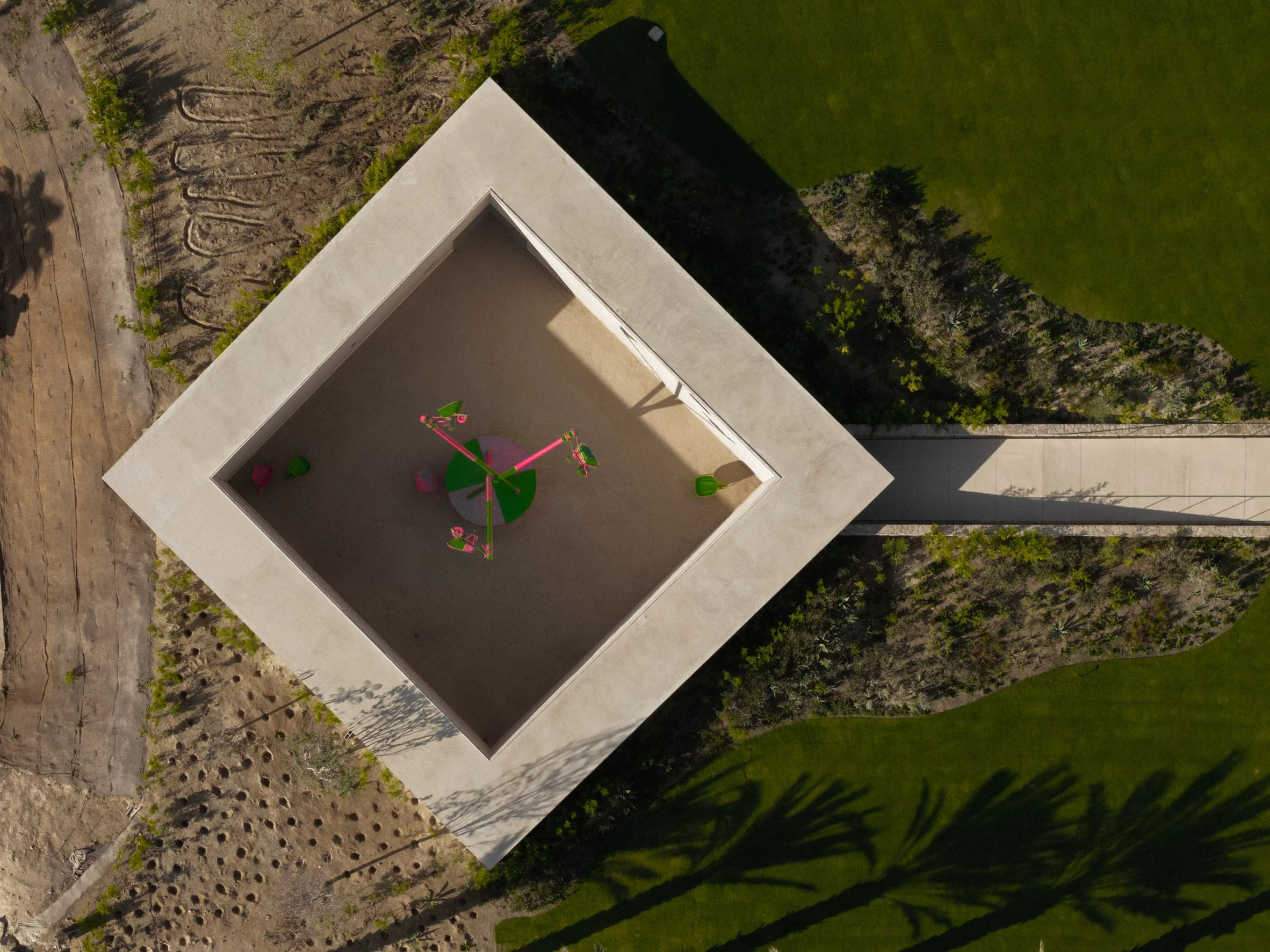
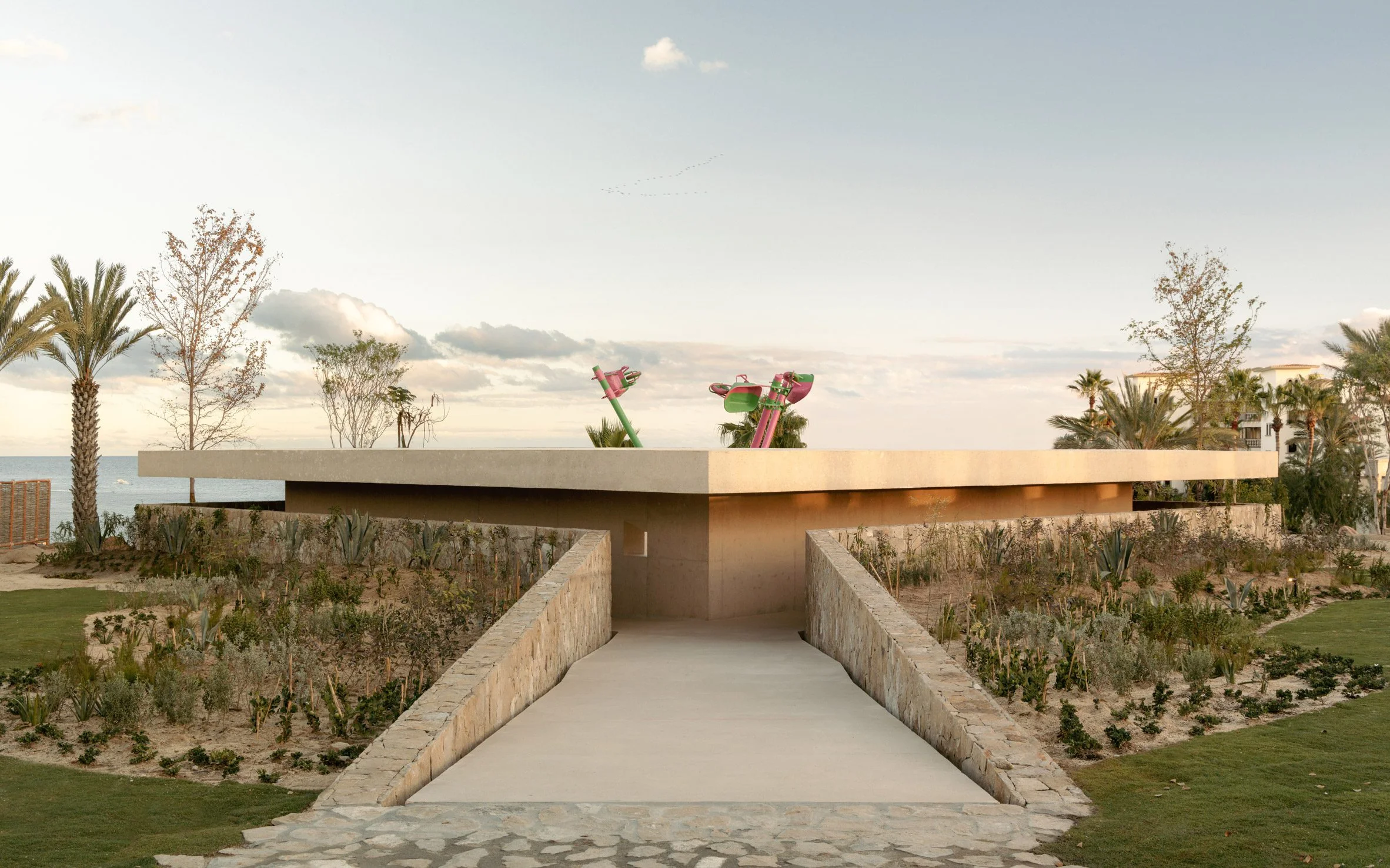
Spanning 180 square meters, this space, designed for the non-profit Arte Abierto, is a key component of the broader Anima Village retail development where it integrates into the site’s topography. What makes this gallery remarkable is its strategic placement: partially buried four meters beneath the surface, it is accessible via a lengthy ramp lined with rugged stone walls, guiding visitors into a different realm.
A Space for Art and Nature
At the heart of the gallery lies a cubic area surrounded by five-meter-high concrete walls, which serve to frame the sky and the treetops, allowing a dynamic interplay of light and shadows throughout the day. “We aimed for a space that welcomes art, nature, and community, evolving with each visit,” stated Fernando Sordo Madaleno, principal of the studio. He further elaborated that the underground setup is not just a physical space; it functions as a curatorial prompt, contrasting the conventional closed galleries that often inhibit artistic engagement.
This integration of art and nature isn't just visually appealing; it also engages the viewer emotionally and intellectually. The design encourages a reflective experience, prompting visitors to think about the relationship between art, architecture, and the natural environment. The interplay of light and shadows invites attendees to explore how these elements can contribute to the experience of art, challenging traditional methodologies of exhibition design.
Architectural Strategy and Local Context
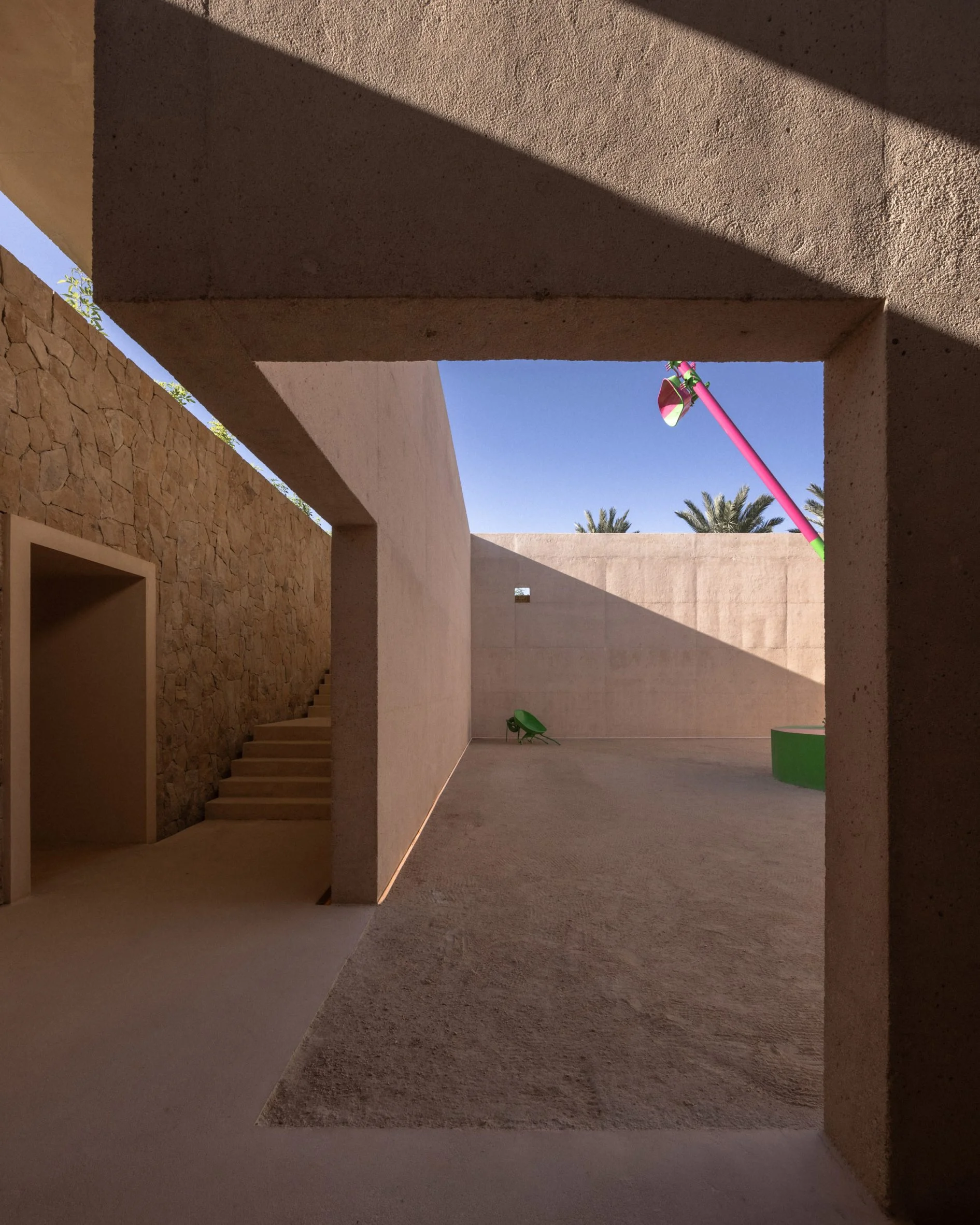
Interestingly, the gallery's layout has been rotated 45 degrees within the context of Anima Village, with an entrance ramp that guides visitors into one of the corners of its square plan. This leads to a darker corridor that encircles the exhibition area, balancing the transition from the vibrant commercial activity above to a quieter, contemplative space where light and breezes interact with the artwork.
This spatial strategy is a critical component of the gallery's design philosophy. By manipulating how sunlight enters the space at various times of day, the architects create an ever-changing environment that enhances the artwork displayed within. This is not just a matter of aesthetics; it engages visitors in a way that promotes deeper observations of the art on display. Research shows that environments rich in natural light can enhance creativity and perception, making the gallery more than just a passive space for viewing.
“Descending into the gallery transforms the experience,” Madaleno noted. “You leave behind the busy environment and enter a space where the light and air are part of the art experience.” The interior floor, indicative of the desert's character, is covered in sandy soil, harmonizing with the pigmented, bush-hammered concrete walls that create an earthy backdrop for installations. This thoughtfulness in materials not only pays homage to the local landscape but also enhances the tactile experience of visitors as they engage with different pieces of art.
Meanwhile, recent architectural endeavors in Baja California, such as mixed-use developments featuring community spaces, underscore the region's evolving real estate narrative, blending residential, commercial, and cultural elements. This trend emphasizes a growing awareness of how architectural style and urban planning can foster community and a sense of place, which is pivotal as the area continues to modernize and attract tourism.
Implications and Future Outlook
This upcoming gallery sets a precedent for future projects, proving that public art spaces can thrive harmoniously within the natural environment. As cities grapple with urbanization challenges, concepts similar to Arte Abierto Baja might inspire other developments that prioritize ecological responsibility alongside cultural expression. If you’re working in this space, you should consider how these designs can inform future projects; it could even redefine what we expect from public-facing buildings.
This design philosophy isn’t just about aesthetics; it reflects broader societal values, including sustainability, accessibility, and community engagement. The decision to integrate art and community closely in this way hints at a deeper shift in how public spaces are perceived. If this trend takes off, we could see a substantial change in urban design that encourages public interaction with art in everyday settings rather than isolated gallery experiences.
Ultimately, Arte Abierto Baja is not just an art gallery; it’s a bold example of how architectural and artistic intentions can merge to create spaces of thought and reflection. The implications for urban planning and art curation are significant, possibly paving the way for more projects that seek to harmonize artistic experience with environmental consciousness.
Photography by Pablo Manjarrez.
Discussion
Sign in to join the discussion.