Estúdio Campana has unveiled a striking pop-up Tiffany & Co. store in São Paulo, featuring a woven wicker facade that embodies luxury and creativity.
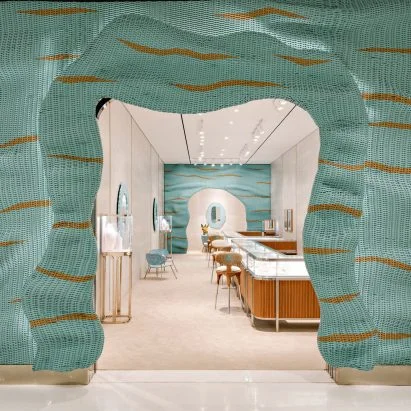
Estúdio Campana has transformed a pop-up Tiffany & Co. store in São Paulo's JK Iguatemi Mall into an artistic statement with an intricate woven wicker facade. This design captures the essence of the iconic brand and invites shoppers to engage with a carefully curated experience that merges luxury with artistry, a combination increasingly sought by high-end retailers.
A Distinctive Entrance
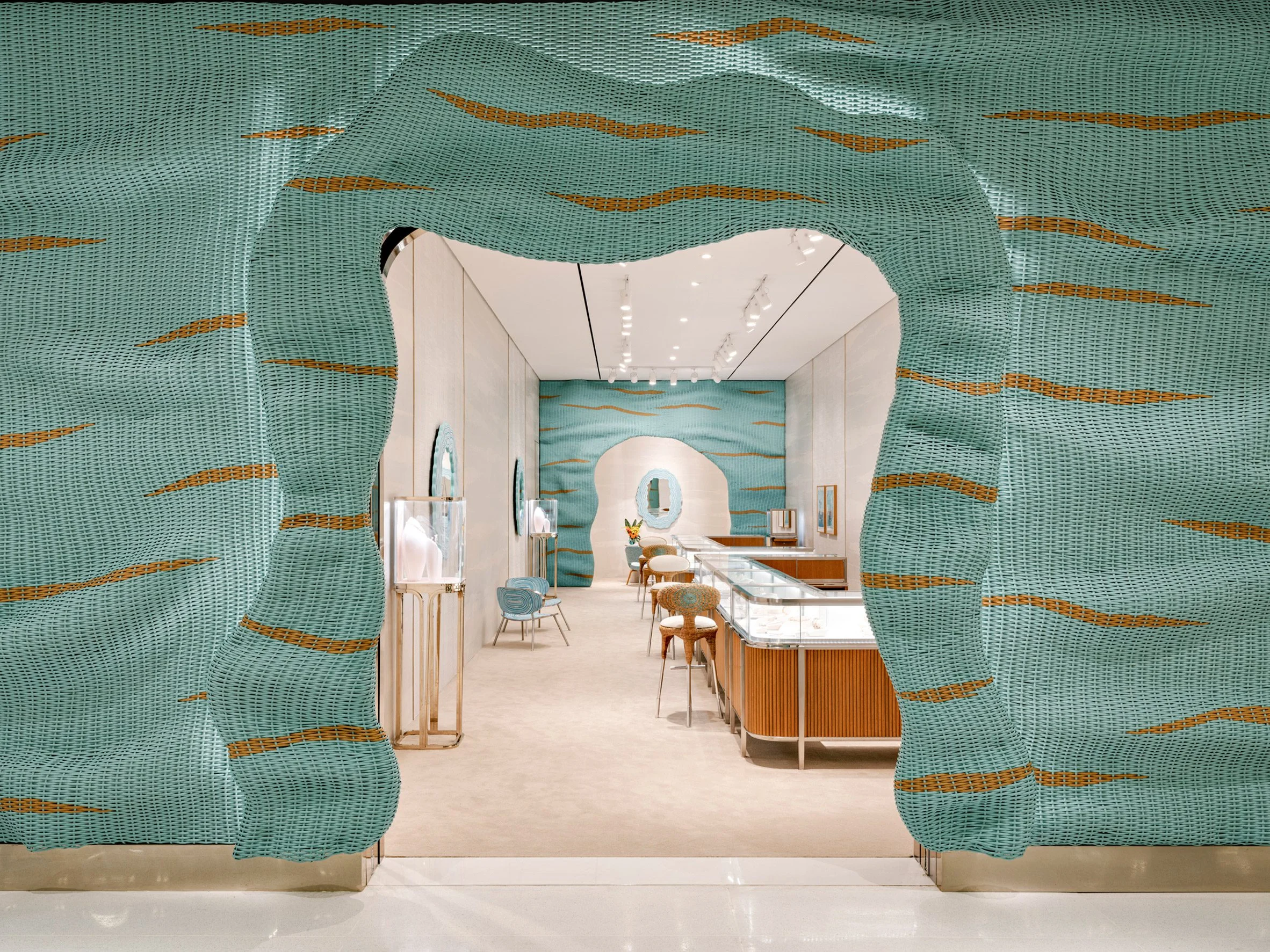
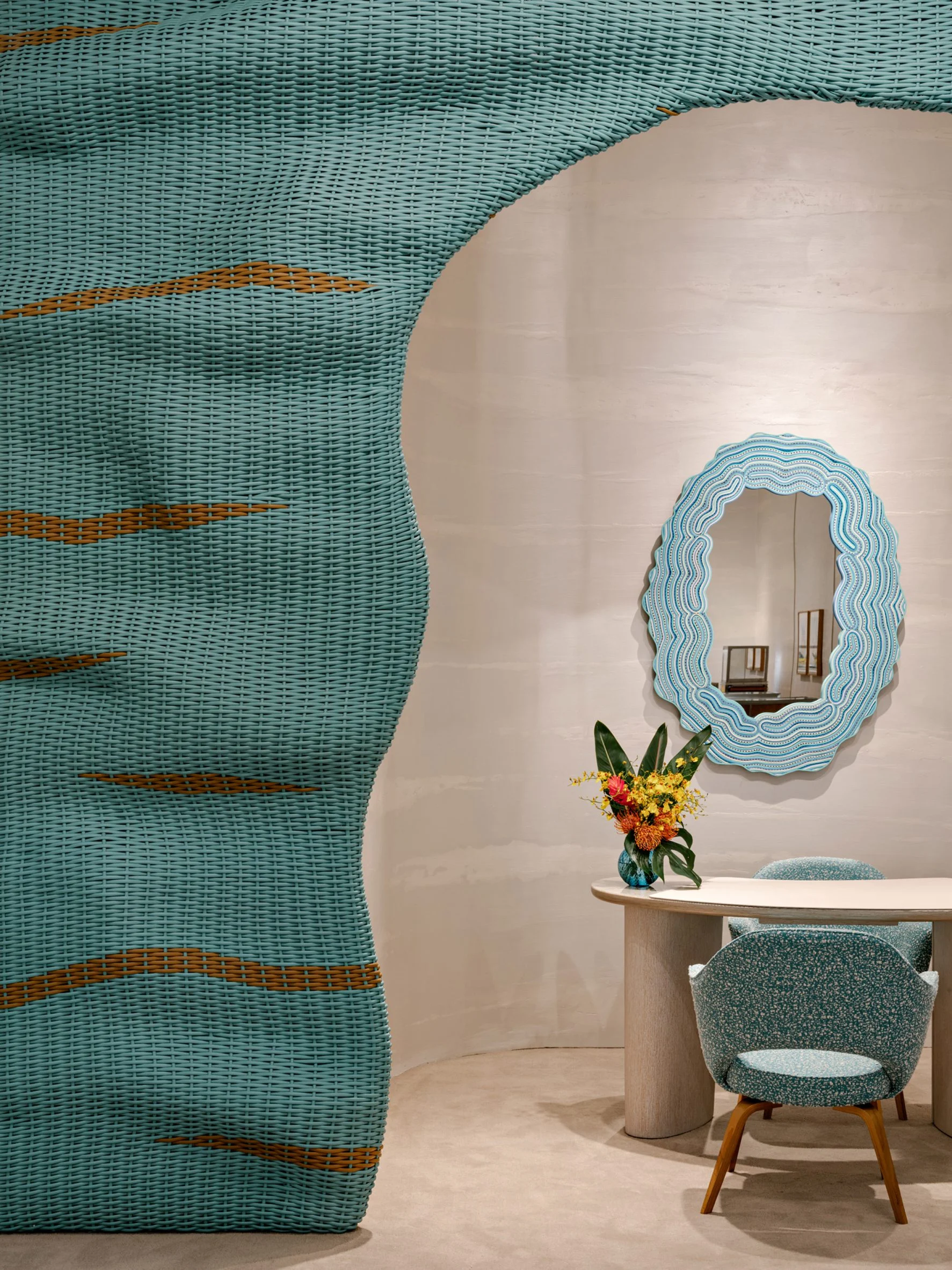
The store's entrance is enveloped in a distinctive undulating facade showcasing Tiffany's signature blue adorned with complementary tan hues that flow horizontally. This innovative approach not only emphasizes the brand identity but also enhances the store's visibility while adding a modern artistic touch. A well-designed entryway can serve as a powerful marketing tool, allowing brands to convey their ethos and capture the attention of potential customers even before they step inside.
Creating an Immersive Atmosphere
Humberto Campana stated, "Reinterpreting our original concept into a more intimate setting like a woven jewellery box allows visitors to immerse themselves in the brand's dreamlike universe." This statement underscores the studio's dedication to crafting an engaging atmosphere for customers—an imperative in the current retail climate where experiences often outweigh products on the consumer's priority list. A well-thought-out immersive design can significantly enhance customer loyalty and drive repeat visits.
The Façade’s Functionality and Appeal
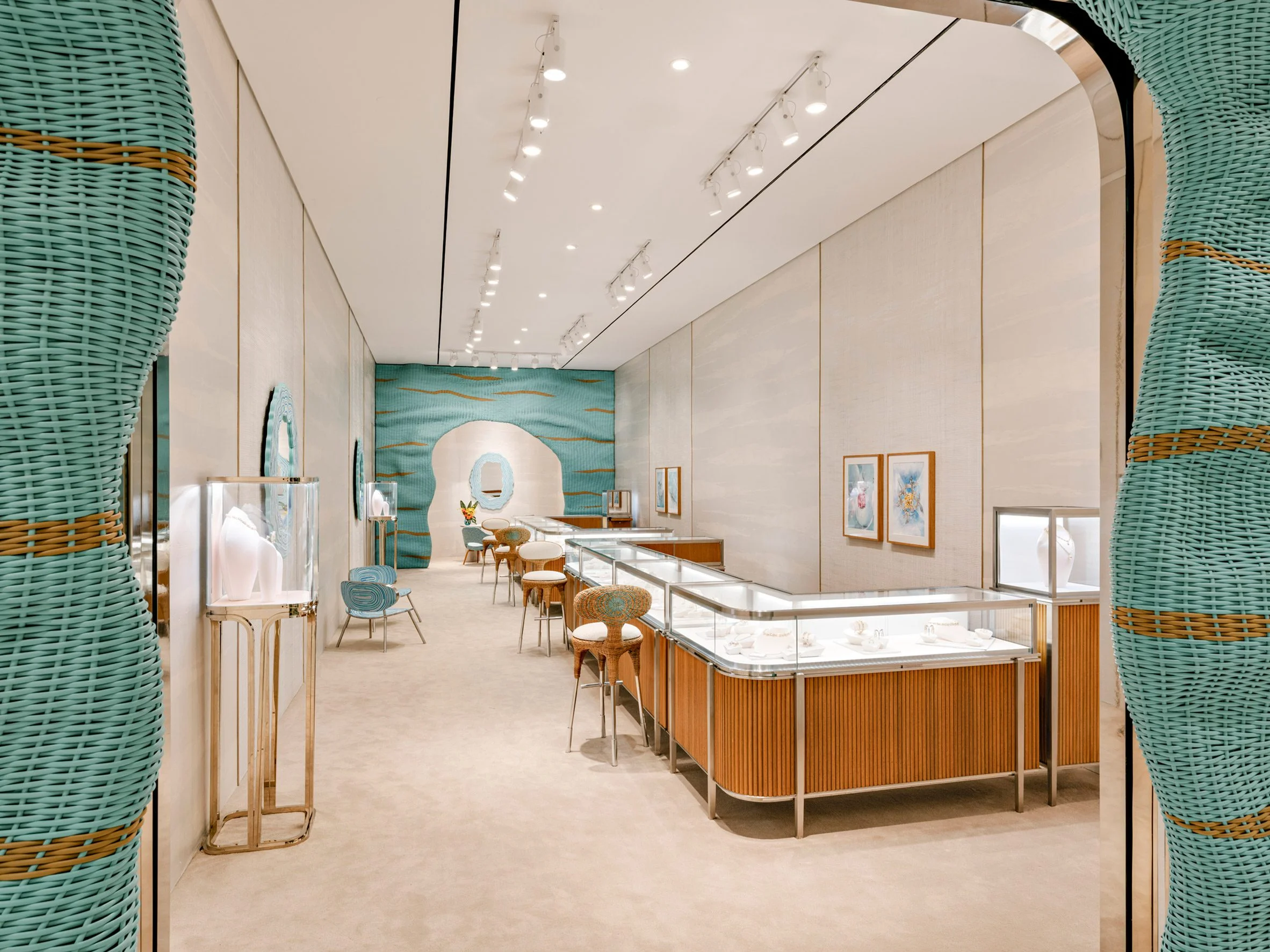
The facade extends almost entirely along the storefront, prominently showcasing the Tiffany & Co. logo displayed against a backdrop of beige stone. The archway leading into the retail area features blue wicker that incorporates cove lighting, further enhancing the space’s allure. Such design choices do more than serve aesthetic purposes; they can influence foot traffic and set the tone for the shopping experience. By merging art and function, the façade creates a space that feels both welcoming and luxurious.
Intriguing Interior Design
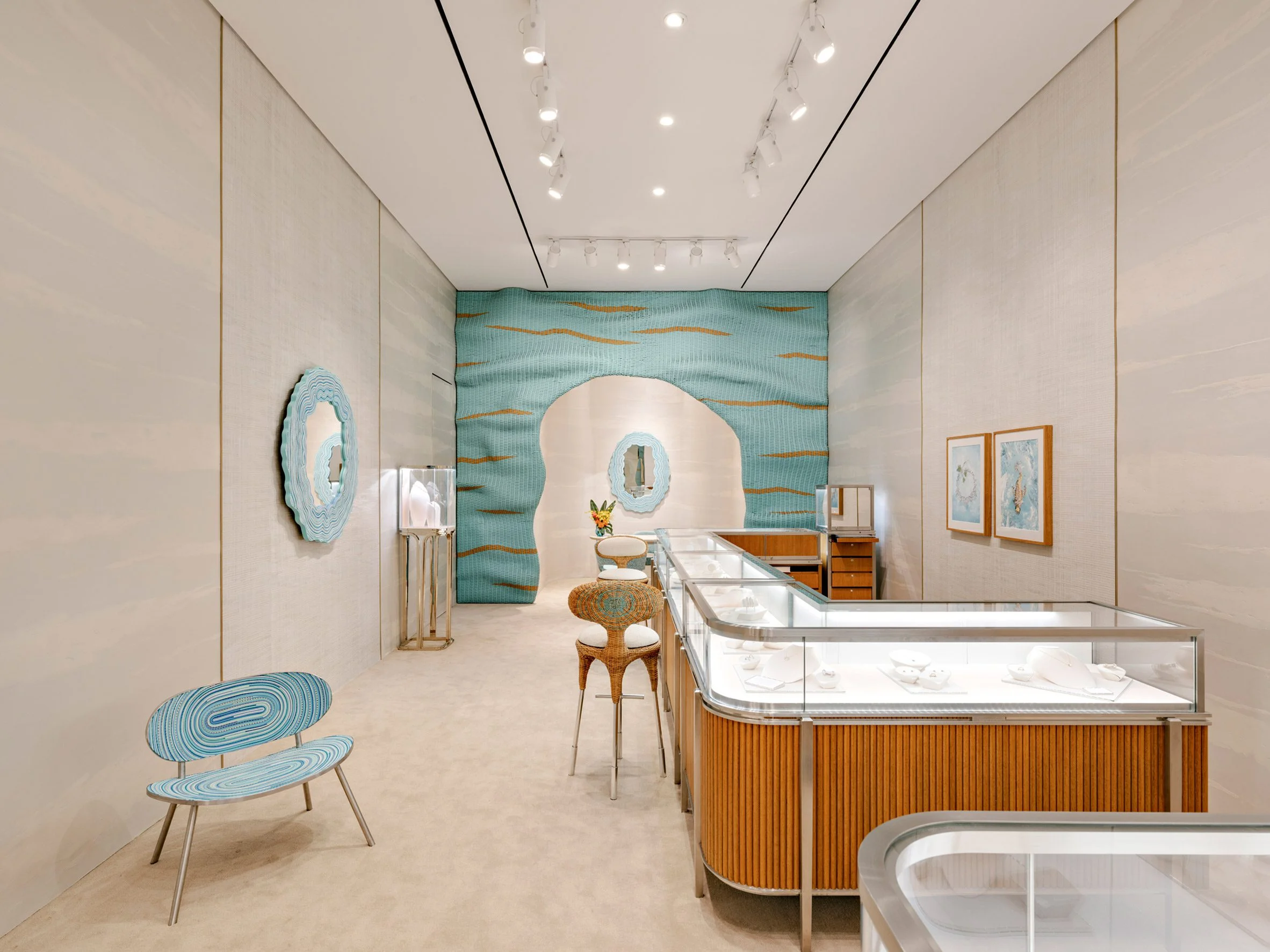
The back of the shop mirrors the front façade, incorporating a semi-private consultation area, which also features the woven design. These elements express a sophisticated use of color and texture that heightens the overall shopping experience. The interplay of design elements can transform a simple retail space into a more engaging environment, making customers feel valued and catered to. The sculptural quality of the materials used can also encourage patrons to spend more time in-store—a critical factor for sales in luxury retail.
Inside, Tiffany & Co. products are thoughtfully arranged in glass vitrines raised on metal frames, strategically placed around tambour panelling to create visual intrigue. The soft neutrals of the walls and carpet juxtapose against the vibrant blue elements that are synonymous with Tiffany's branding. This careful consideration of visual hierarchy allows products to stand out, drawing the shopper's eye and encouraging exploration—a central goal for any retailer.
In a notable touch, the studio designed custom synthetic-wicker stools and integrated pieces from its Sushi Collection to reflect the aesthetic theme throughout the store. Such bespoke furniture pieces not only resonate with the overall design concept but also provide functional seating areas for shoppers, enhancing comfort and facilitating longer visits. (And this is the part most people overlook: how the design affects customer behavior.)
Part of a Broader Strategy
This creative endeavor is part of a wider trend, as Tiffany & Co. collaborates with prominent designers globally to refresh its retail environments. Past partnerships include MVRDV’s dramatic glass veil for the Beijing flagship and Jun Aoki's elegant design in Ginza, Tokyo. Such collaborations signal a strong commitment from Tiffany to remain relevant and appealing to modern consumers. As luxury markets shift, brands are prioritizing experiential retail, making physical stores not just sales points but immersive environments that reflect their values and aesthetics.

Long-term Implications for Retail Design
Estúdio Campana, established by Humberto and the late Fernando Campana, continues to influence the design world significantly. Their recent projects include a park near São Paulo that features pavilions constructed with live plants, underscoring their commitment to design rooted in nature. What this means for you, if you're working in this space, is that there's a clear trend toward integrating environmental considerations into design. Brands that embrace this philosophy are likely to resonate with consumers who are increasingly conscious of sustainability.
This approach is not just an aesthetic choice; it can also reflect a brand's values and commitments. As businesses navigate a post-pandemic world, creating memorable, thoughtful experiences in brick-and-mortar stores might be the key to survival. Engaging designs and collaborative projects, akin to Tiffany's current strategy, aren't just setting a new standard—they're adapting to a consumer base that seeks authenticity and meaningful connections.
Photography credit: Iguatemi.
Discussion
Sign in to join the discussion.