Discover five cutting-edge smartphones and dumbphones that prioritize user design and functionality, shaping the future of mobile technology.
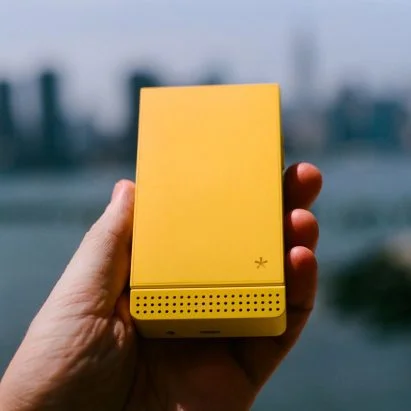
As technology advances, the importance of personalized design in mobile devices has become increasingly clear. A growing number of manufacturers are stepping away from generic phone models and focusing on unique aesthetics and functionality tailored to user needs. Here’s a look at five standout devices that have emerged recently, each showcasing innovative approaches in design.
The Shift Towards Personalization
Mobile technology is undergoing a significant transformation as consumer desires evolve. The days of one-size-fits-all products are fading, with demands for personalization and uniqueness at the forefront of market trends. This shift is more than just an aesthetic change; it's also about function and usability. Manufacturers are increasingly pushing the envelope, moving beyond basic capabilities to integrate features that respond directly to individual lifestyles and preferences.
This move toward personalization signals a broader trend in technology, wherein users want devices that resonate with their identity and enhance their day-to-day lives. It reflects a growing understanding within the industry: that consumers appreciate devices that not only serve practical purposes but also reflect their tastes and needs. More than a trend—this approach addresses a deep-seated urge for uniqueness in a sea of uniformity.
Nokia’s Nostalgic Touch
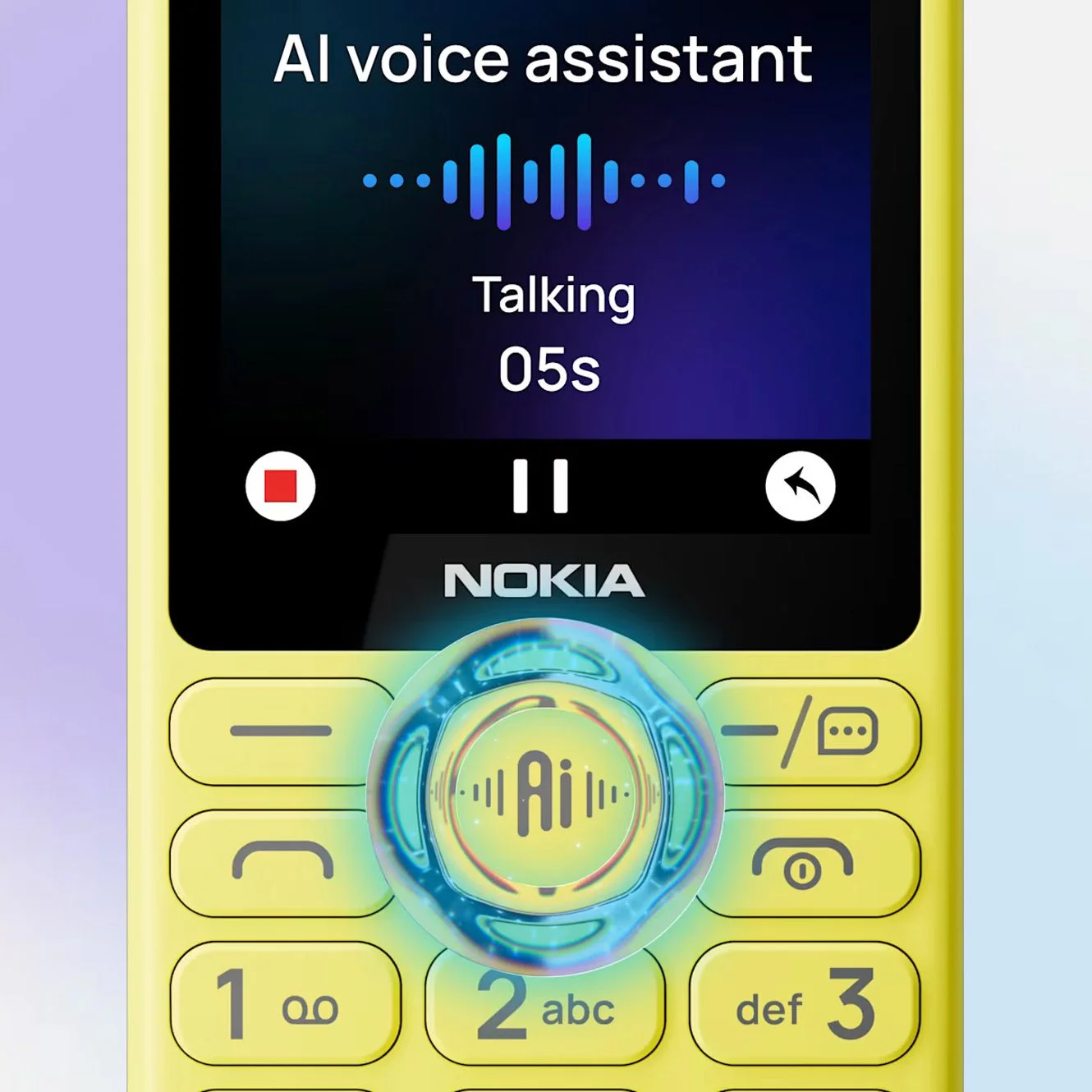
The latest line from HMD includes retro-styled Nokia 200 4G, 210 4G, 215 4G 2nd Edition and 235 4G 2nd Edition. These models combine nostalgic charm with contemporary necessities, featuring a large AI button at the center of the keypad. This voice-controlled feature connects users to a chatbot assistant powered by Sikey AI, blending simplicity with modern functionality.
This nostalgic approach taps into a powerful emotion: the fondness users have for their first mobile encounters. By echoing classic designs while introducing modern capabilities, Nokia is appealing to both older audiences who remember the brand's glory days and younger consumers searching for authenticity in tech products. It’s a delicate balance, reimagining the past while pushing for innovation. The AI button, while not groundbreaking on its own, aligns with today’s emphasis on voice technology, making it a functional addition that enhances user interaction without overwhelming the design.
Automobile Elegance with Infinix
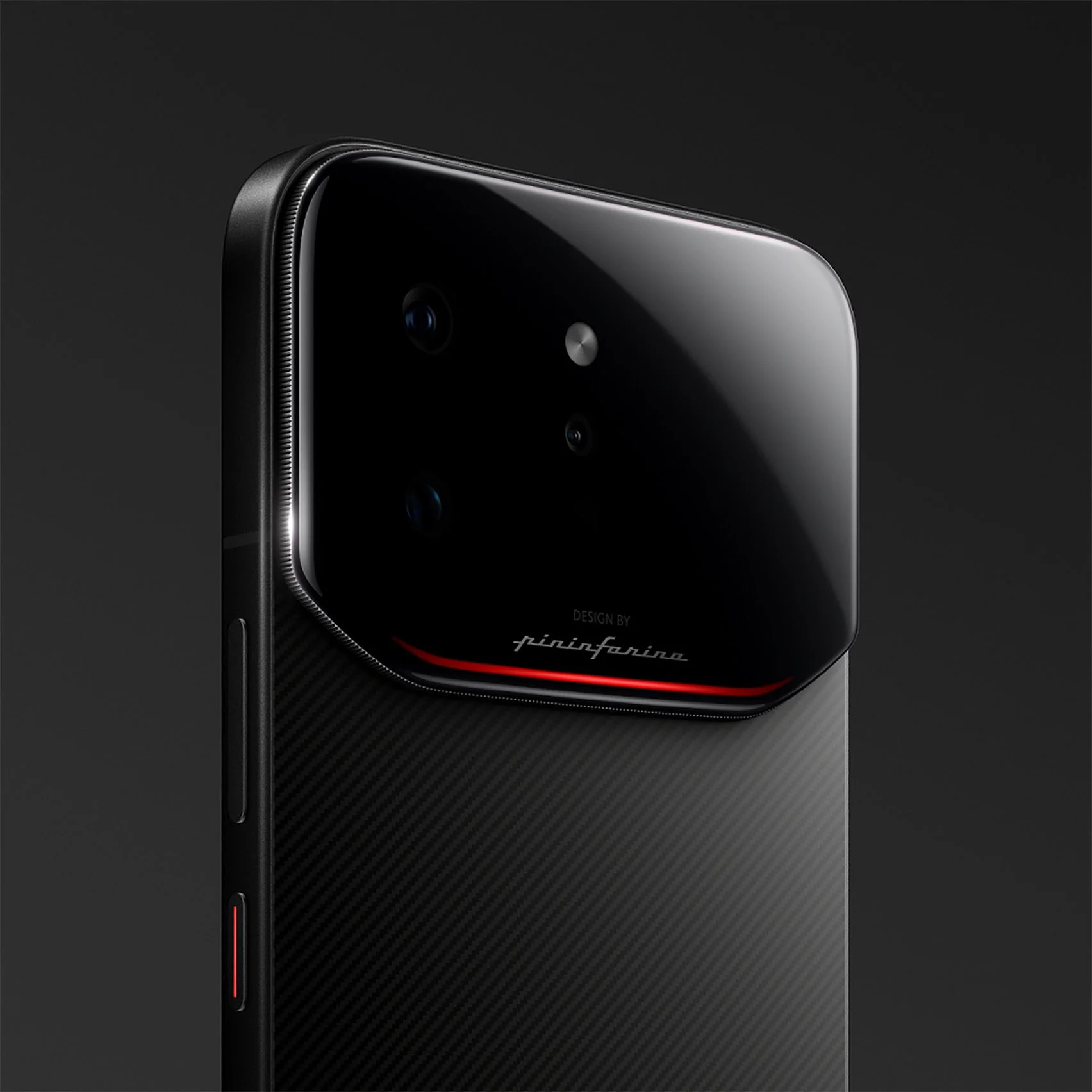
Designer studio Pininfarina has collaborated with Infinix to produce the Note 60 Ultra. Infusing high-speed automotive aesthetics into its design, this device minimizes the noticeable camera bump for a sleeker, more aerodynamic appearance. It's a refreshing take on how smartphone design can be inspired by the elegance of cars.
The intersection of automotive design and mobile technology isn't commonly explored, yet here we see how sophistication in cars translates to smartphones. The Note 60 Ultra emphasizes how visual appeal matters to consumers, going beyond mere functionality. The design approach draws parallels between car enthusiasts and tech users—both groups often value precision, form, and innovative engineering. This collaboration shows an awareness that style can influence perception, potentially attracting users who may otherwise overlook a brand focused solely on tech specifications.
Clicks Communicator: The Messaging-Centric Device
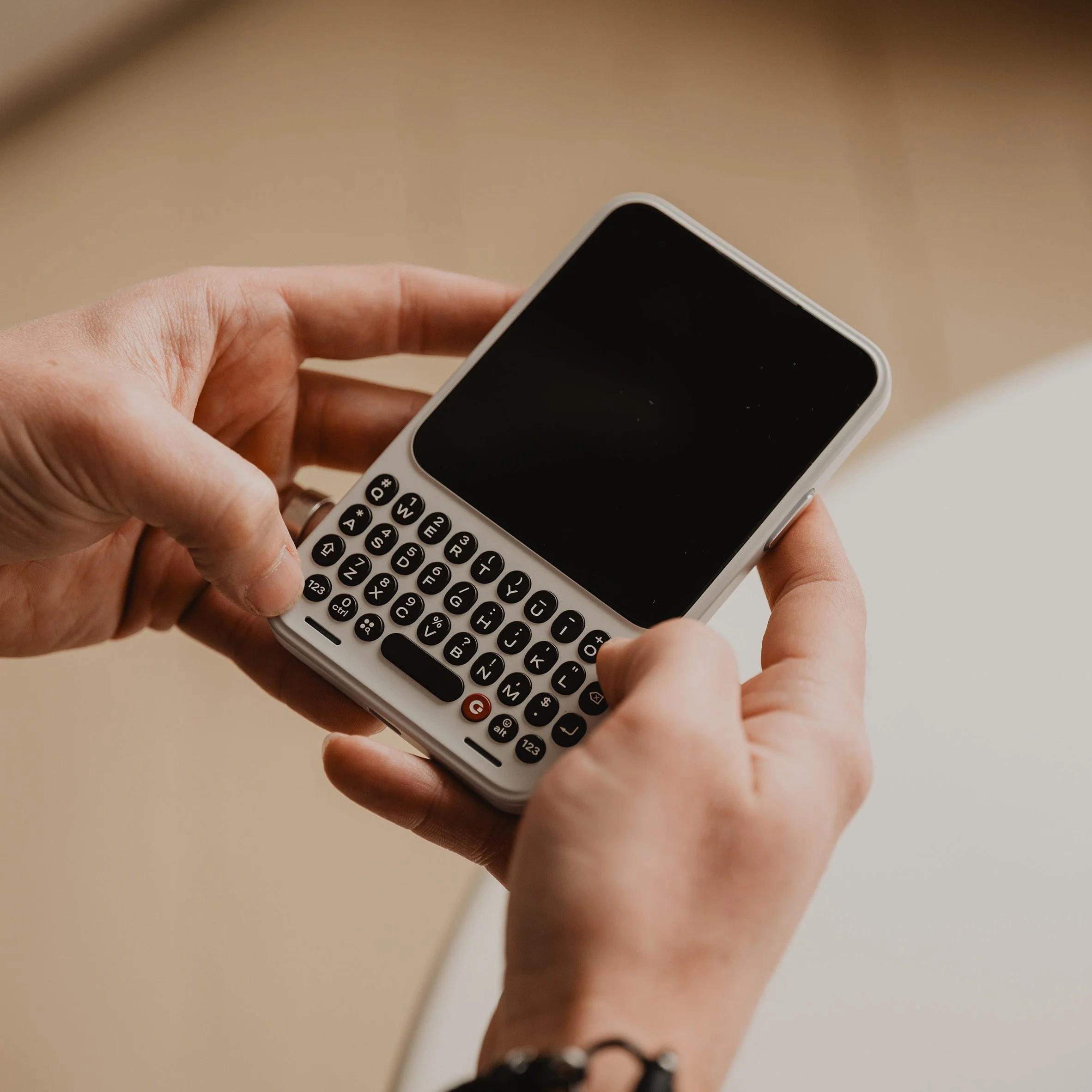
The Clicks Communicator, revealed at the Consumer Electronics Show, focuses on messaging. Sporting a QWERTY keyboard, it aggregates messages and emails on the home screen, optimizing the user’s ability to respond quickly and efficiently. While still permitting calls and app usage, its primary purpose is to streamline the communication experience.
In an era where efficiency is key, this device speaks directly to users burdened by a barrage of notifications across multiple platforms. It’s a refreshing acknowledgment that some consumers don’t need a multifunctional powerhouse to thrive. Instead, they want to communicate without distraction. The QWERTY keyboard, reminiscent of older smartphones, provides tactile feedback, which many find more satisfying than touchscreen alternatives. This choice shows a willingness to return to basics, prioritizing functionality over unnecessary additions.
Light Flip: Minimalism Redefined
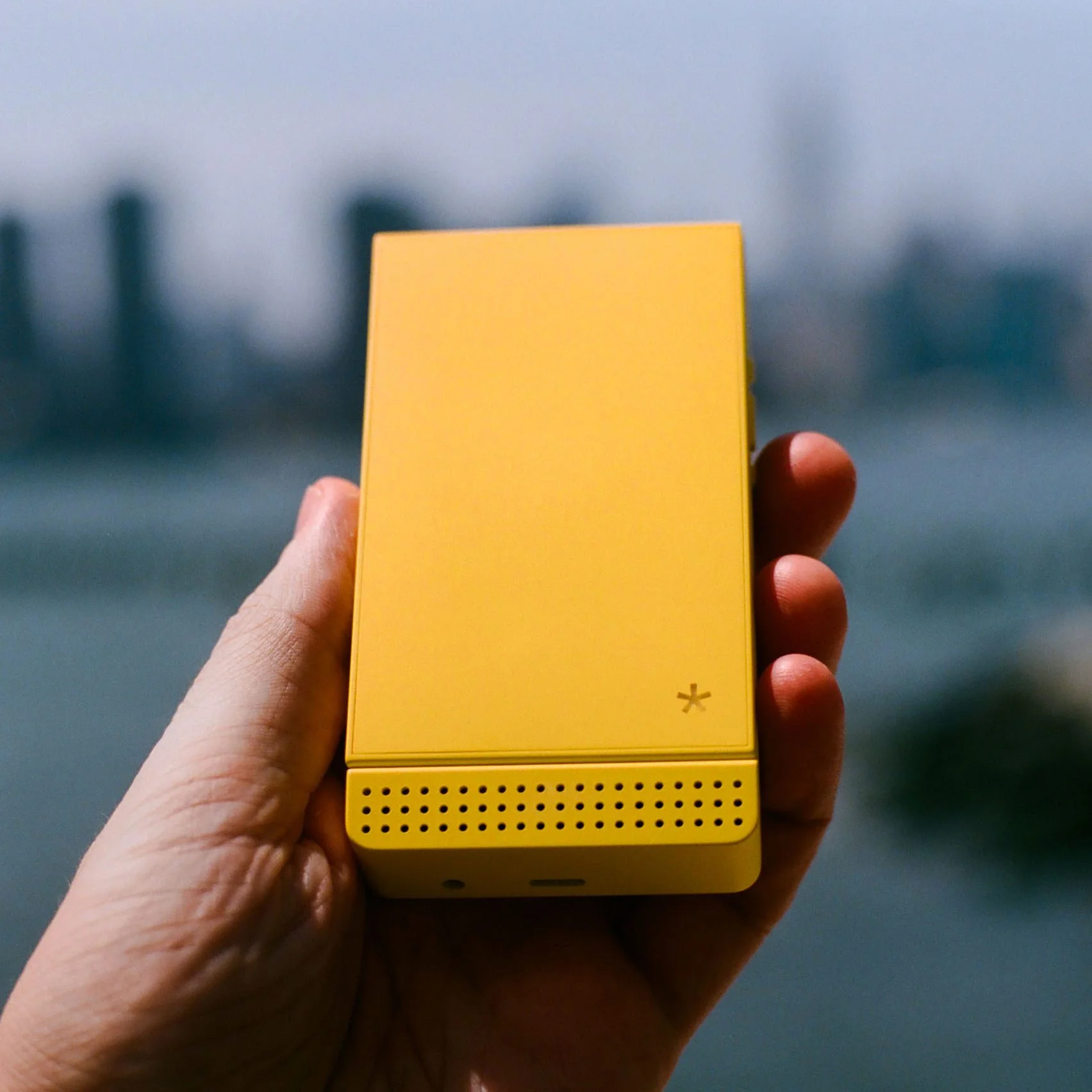
Bringing back the classic flip phone design, the Light Flip emphasizes minimal use. Available in six colors, it operates on LightOS, which intentionally strips away social media and gaming distractions, allowing users to focus on calling without unnecessary interruptions.
This minimalist approach is particularly striking in a market inundated with features that some users find overwhelming. By stripping away distractions, the Light Flip asks a poignant question: What do we really need from our phones? This device caters to users eager to disconnect from the constant noise of digital life. The choice to forgo social media integration is almost radical, surfacing a broader conversation about tech's role in our daily lives. Ironically, the Light Flip challenges the notion that more features equate to more satisfaction.
Honor’s Robot Phone: A New Interaction Approach
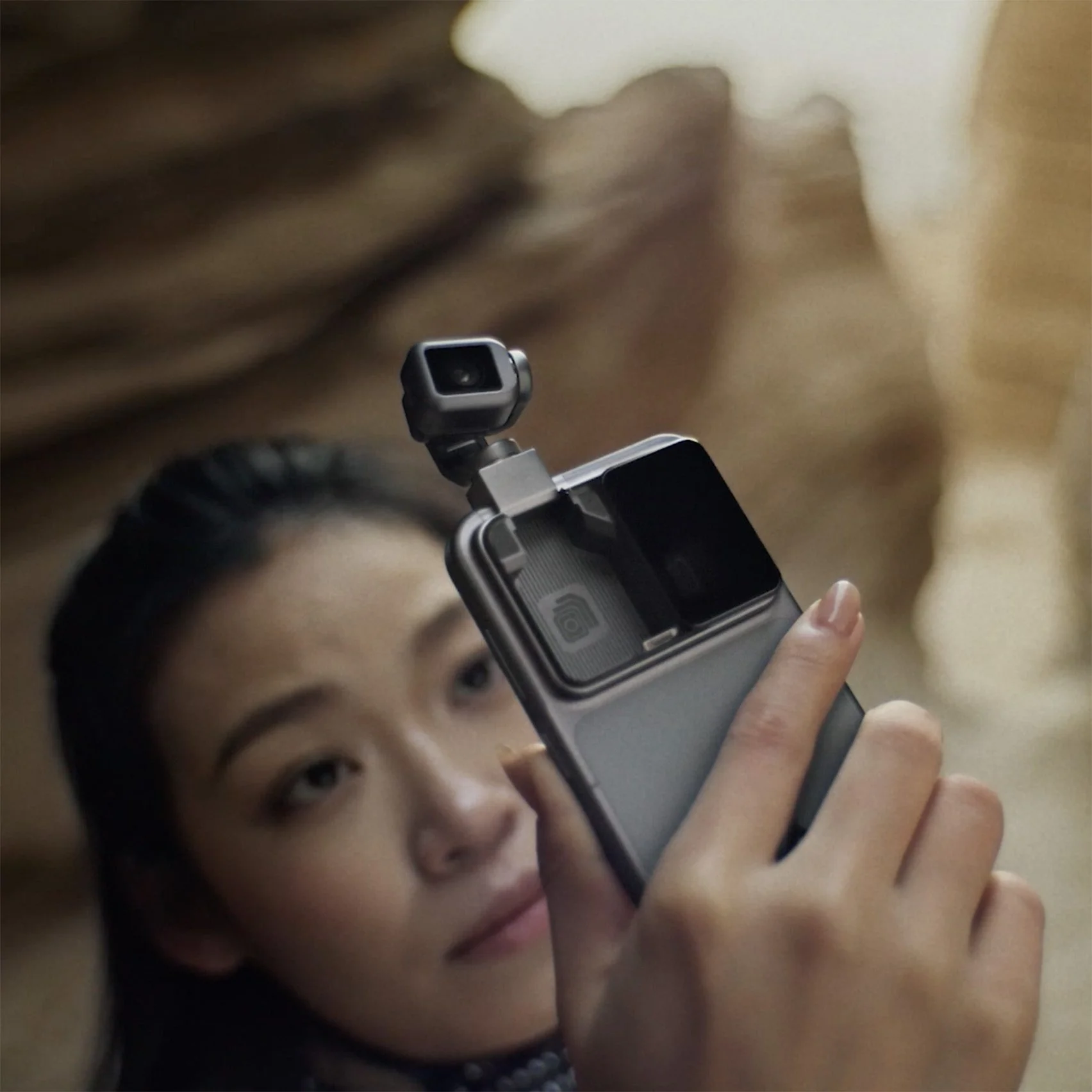
The Robot Phone from Honor features an articulating robotic arm with a gimbal-based 200-megapixel camera, allowing for professional-grade video recording. This innovative feature aims to create a more expressive interaction, integrating new AI capabilities that push the boundaries of what a smartphone can do.
The introduction of such a feature-rich device raises questions about usability and practicality. For many, this kind of high-end tech is fascinating, but what does it mean for the average user? The ability to record professional-quality video is undoubtedly appealing, especially in an age where content creation is booming. But this device veers towards the niche side, catering more to tech enthusiasts and creators than everyday consumers. It's a bold move that places Honor in an innovative space but may alienate users with simpler needs. (And this is the part most people overlook.)
Implications and Future Outlook
Each of these devices highlights a shift towards more personalized, user-centric design approaches in mobile technology, setting the stage for future advancements. The focus on specialization suggests that manufacturers are recognizing the diverse needs of their consumer base. Instead of competing solely on hardware specifications, brands are carving out niches that appeal to specific user groups—be it nostalgia, minimalism, or specialization in messaging.
What this means for you as a consumer is that the choices are expanding. The traditional smartphone model isn’t the only option anymore. If you’re working in this space, you’ll notice how these developments may influence consumer expectations and industry standards. The next wave of mobile devices might not just be iterations of what's come before but radically different interpretations of how we interact with technology.
As the focus shifts from merely fitting features into devices to designing them around user experiences, the tech market is bound to see more inventive and tailored products. This isn’t just about smart features—it's about creating devices that understand people, which is a forward-thinking approach that could redefine how we view our connections with technology.
Discussion
Sign in to join the discussion.