Architect Alexandre Pavlidis' latest project, Within the Earth, features a sunken home on Sifnos that melds with the island's agricultural landscape.
A Seamless Integration with Nature
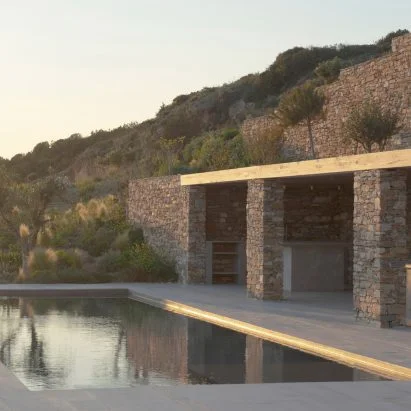
Architect Alexandre Pavlidis has unveiled a striking residence named Within the Earth on the Greek island of Sifnos. This home is artfully designed within a series of sunken stone walls that descend the coastal hillside, echoing the traditional agricultural practices of the region. The positioning of the house not only respects the surrounding terrain but also repurposes elements of the landscape, promoting sustainable architecture.
Design Philosophy and Concept
Pavlidis, who operates out of Paris, sought to create a dwelling that feels like an extension of the existing terraced landscape rather than a new presence within it. “The house would not appear as a new object in the landscape, but as a continuation of the existing agricultural terraces,” he stated, emphasizing the project's harmonious connection to its environment. This notion of blending into the landscape draws on the island's history, where stepped terraces have long been used to cultivate olives and grapes. Such an approach aligns with a broader trend in contemporary architecture that favors designs that coexist with nature, rather than imposing upon it.
Experience of the Space
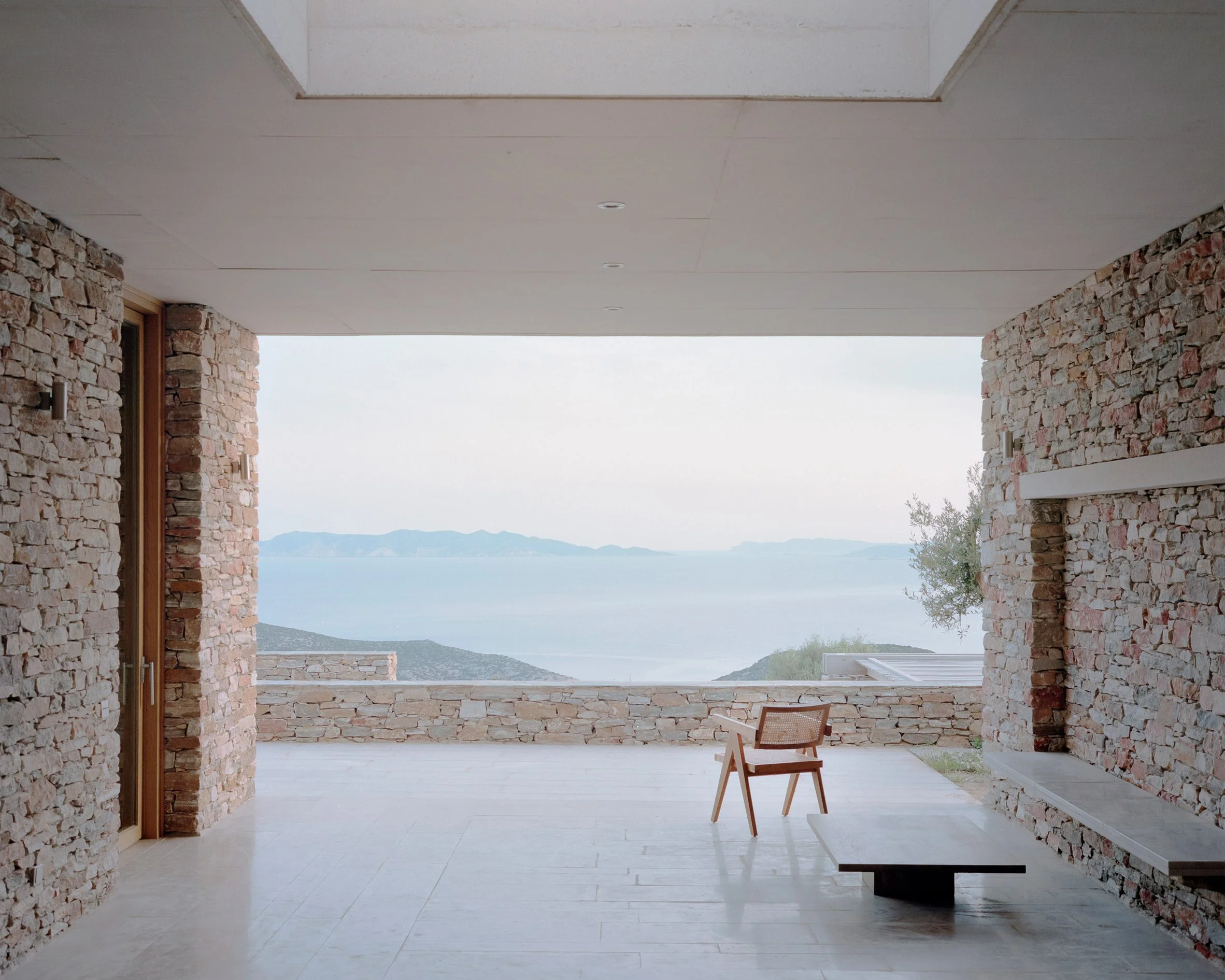
Entry to Within the Earth is through a former shepherd's hut at the summit of the site, leading visitors down a staircase into a bright atrium adorned with a shallow water feature that divides the sleeping and living areas. This entrance emphasizes a transition from the ruggedness of the exterior to the inviting warmth within. The communal spaces stretch along the slope, echoing the linear forms of the terraced land. Living areas open directly to a vast terrace that not only enhances the aesthetic appeal but also fosters a sense of connection with the breathtaking views of the surrounding nature, while private bedrooms retreat behind robust stone supports that ensure seclusion.
Natural Light and Texture
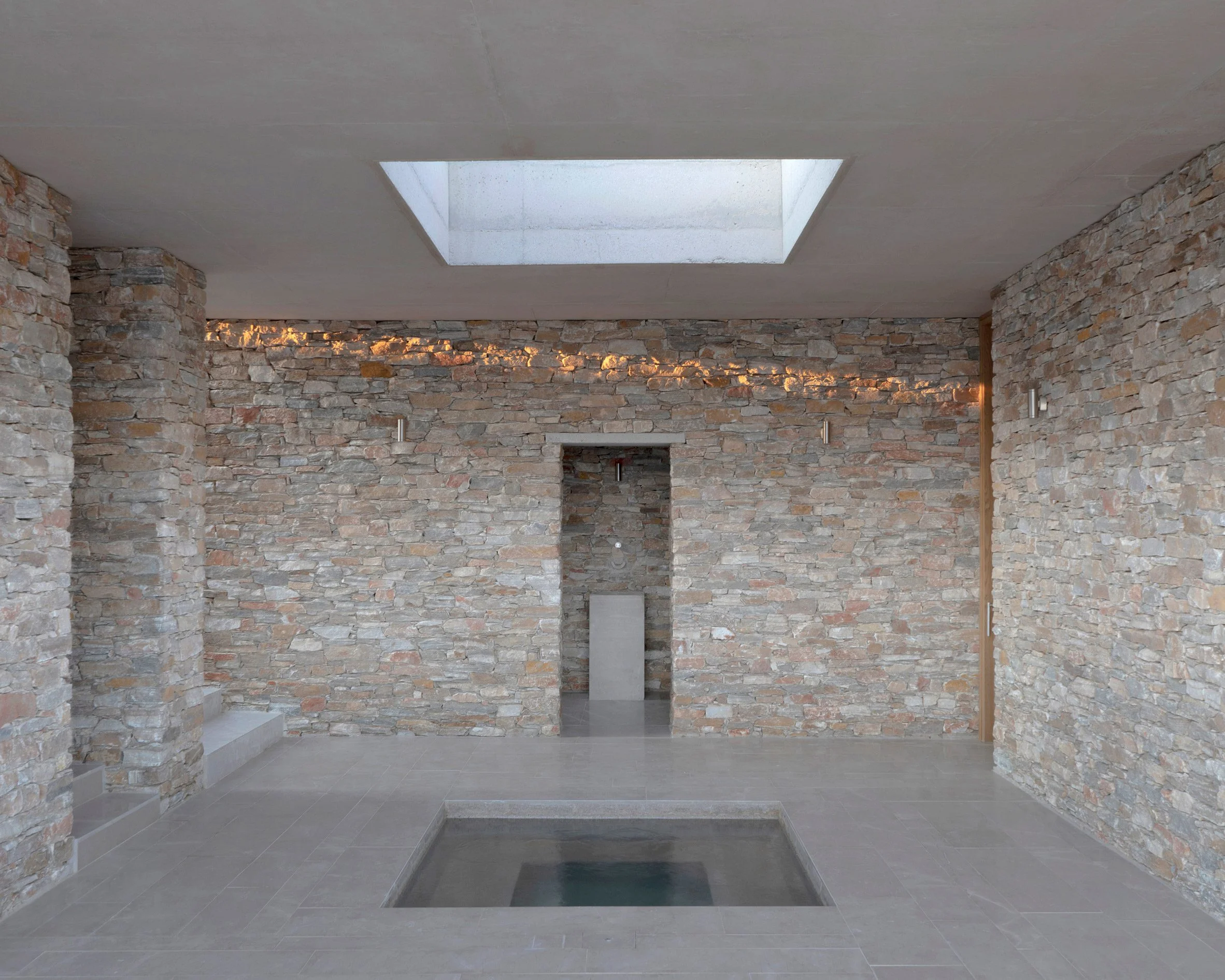
In the more subterranean areas, light flows in through open-air patios enhanced with greenery, while the bathrooms feature skylights above cylindrical showers. These design choices reflect an understanding of how natural light can transform interior spaces, creating a serene atmosphere that harmonizes with the outside environment. A pavilion-like structure on the lower level, held up by drystone columns, accompanies a swimming pool situated in an expansive terrace. The interplay of light and shadow within the residence is methodically crafted to evoke different moods throughout the day.
“As you move into the home, you transition from the exposed landscape to a cooler, darker environment. The house is gradually revealed through layers of stone, light, and curated views of the sea,” Pavlidis remarked. This careful choreography of space invites a deeper exploration of both the structure and its natural surroundings. Here’s the thing: the journey through the house mirrors the experience of moving through the landscape itself, blurring the lines between indoor and outdoor life.
Material Choice and Interior Design
The residence employs rough drystone walls that beautifully contrast with polished stone floors and concrete ceilings. This choice of materials signifies more than just aesthetics; it embodies the rugged essence of island living while ensuring durability against natural elements. Throughout the interiors, oak furnishings add warmth and a sense of habitability, transforming the structure from merely a carved space into a lived environment. It's a conscious effort to make the home inviting and lived-in, rather than a cold monument to architectural prowess.
Similar Architectural Endeavors
On the neighboring island of Serifos, Greek studio Mold Architects has also embraced the natural topography in their recent hospitality retreat. They utilized excavation materials from the site to construct a series of low-lying guesthouses, continuing the tradition of integrating architecture with the environment. This mirrors a growing global inquiry into how architecture can respect and enhance its surroundings. Such ventures won’t just beautify a location; they invite visitors to appreciate local culture and nature.
This approach resonates with other projects by the studio, including a sunken structure known as NCaved, designed to shield it from harsh winds while respecting the landscape. These examples highlight how architects are increasingly conscious of site-specific conditions, craftsmanship, and materials, enabling them to push boundaries while still aligning with the natural world.
Photography for the project is credited to Alexandre Pavlidis unless otherwise noted.
Future Implications and Significance
As architects like Pavlidis embrace these philosophies, what does this mean for the industry? The focus on local materials and traditional techniques highlights a shift toward sustainability that could redefine residential architecture in varied global contexts. If you're working in this space, you might feel the impetus to adopt similar strategies, which acknowledge not just aesthetics but also ecological responsibility. This isn't merely a trend; it reflects a fundamental shift in how we think about our relationship with the environment. The conversation around sustainable architecture is intensifying, suggesting an expectation that future designs be both beautiful and responsible.
This trend could also influence policy on housing and urban development at large. As awareness grows, so does the pressure on developers and policymakers to legislate for environmentally friendly practices. Redefining architectural practices is not just an artistic endeavor; it’s a societal necessity that could resonate for generations.
Discussion
Sign in to join the discussion.