Yarlington Lodge at The Newt in Somerset restores three 19th-century buildings, blending historical details with modern comforts for an immersive experience.
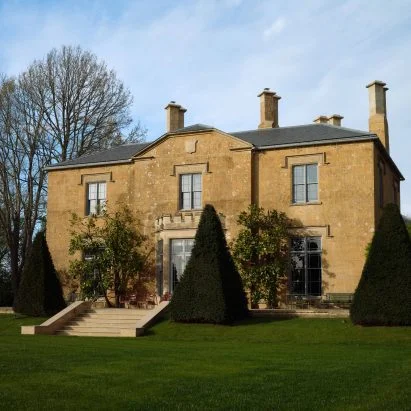
Rich in history, Yarlington Lodge at The Newt in Somerset offers a unique 32-guest holiday experience. This restoration project, crafted by British studio Richard Parr Associates, revamps three significant 19th-century buildings into a cohesive retreat.
Nestled within five hectares of scenic countryside just outside Bruton, these historic structures include the main lodge, the Coach House, and the Cottage in the Wall, formerly serving as a rectory complex. "They were once a functioning trio, and we wanted them to become so again," states Richard Parr, underscoring the project's intent to revive communal functionality. The idea of repurposing old buildings aligns with a broader trend in sustainable architecture. Many developers now opt for renovation over new construction, valuing existing properties for their historical and cultural significance.
A Blend of History and Modernity
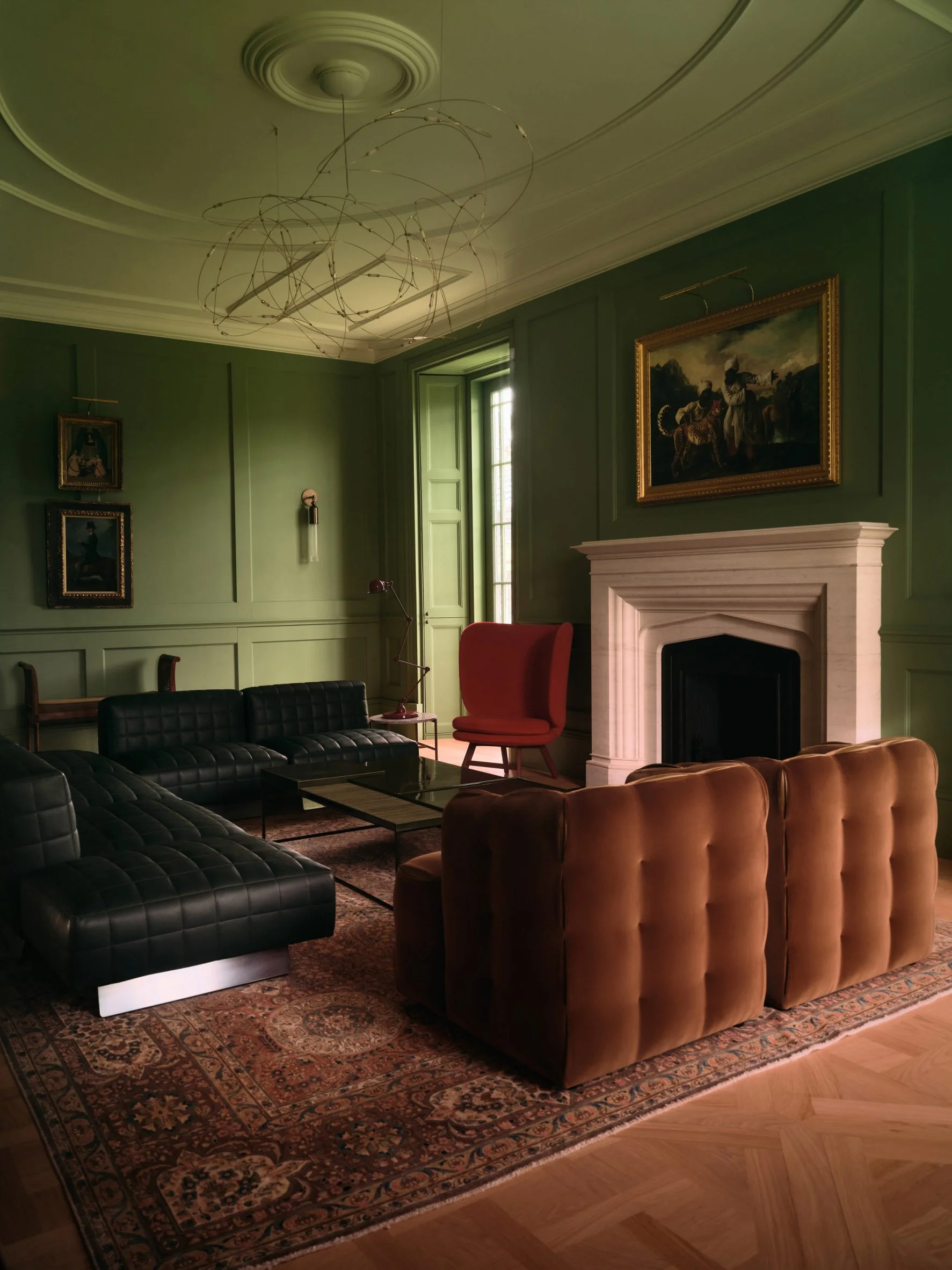
Notably, the main lodge's design embraces the bold aesthetics of the Napoleonic era through striking patterns and vibrant colors. Elements like swooping textile-clad ceilings evoke the atmosphere of military tents, while classical paintings adorn the library, reflecting a sophisticated yet inviting ambiance. This fusion of styles serves a dual purpose: it brings the historical significance of the buildings to life while appealing to modern sensibilities. The choice to blend eras is strategic, catering to guests who not only appreciate history but also want contemporary luxury.
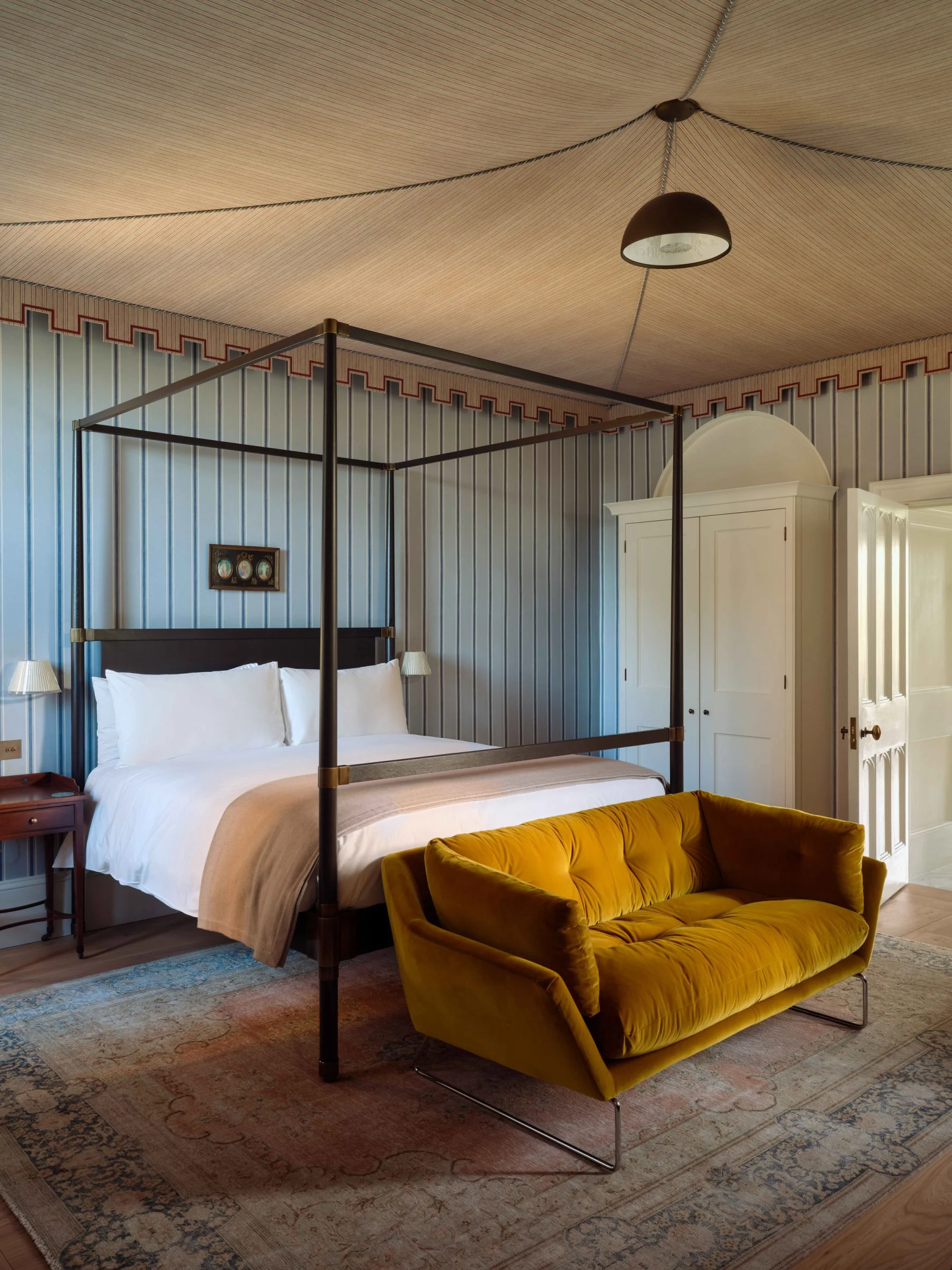
While bold design elements make a statement, Parr notes that renovations maintain the integrity of the original structures. Careful restoration of features like old fireplaces and elm floorboards honors the historical significance of the buildings. This attention to detail is increasingly rare in modern restorations, where the temptation is often to prioritize aesthetics over authenticity. Upholding the stories embedded in architectural features enriches the guest experience, turning a stay at Yarlington Lodge into a living history lesson.
Highlights of Individual Spaces
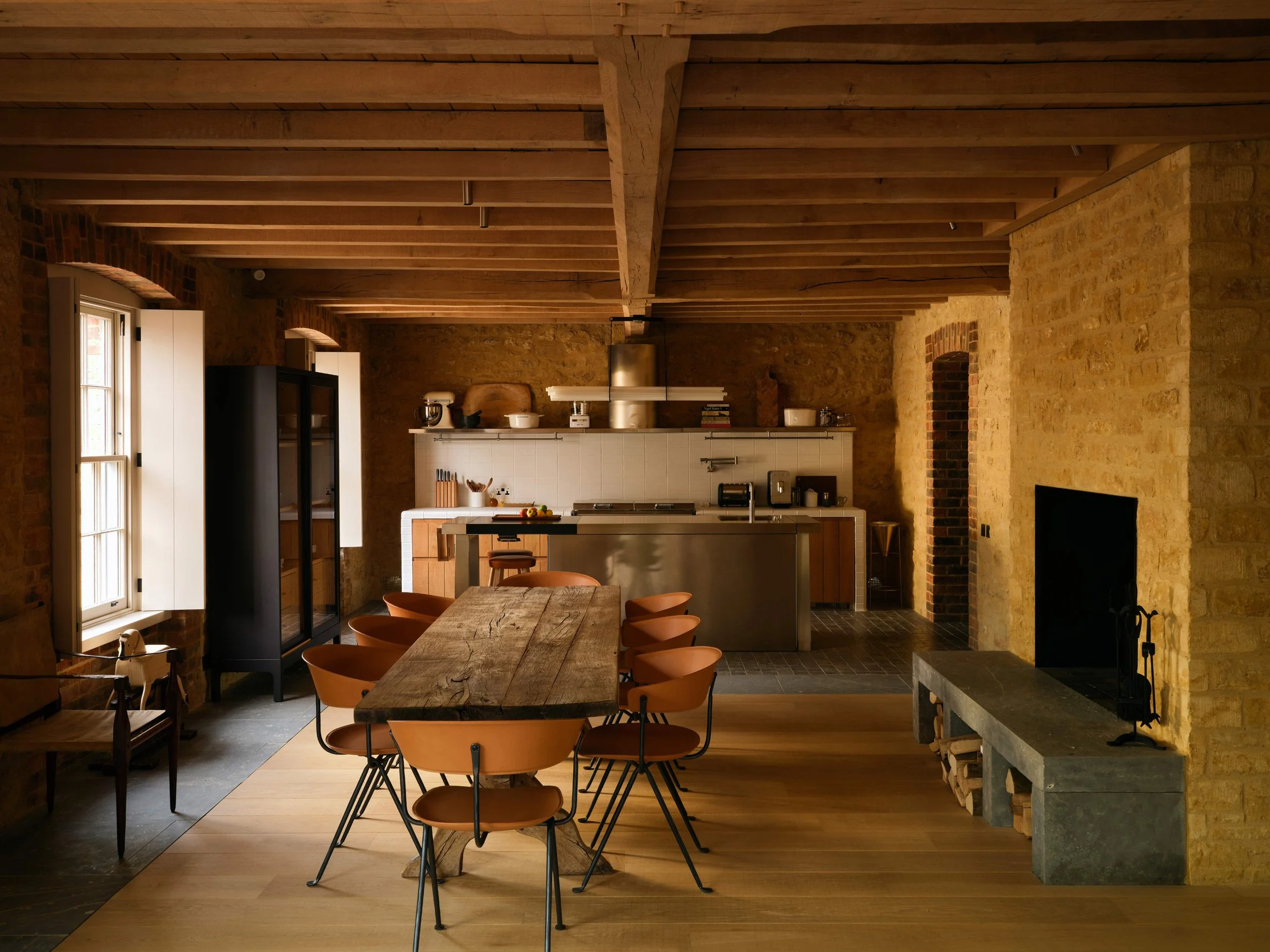
The Coach House draws on its equestrian roots, featuring a blend of blackened steel and raw timber in its interior, complemented by a low-slung, beam-lined ceiling. The choice of materials speaks to its historic function while also resonating with current architectural preferences that favor natural elements. In contrast, the Cottage in the Wall boasts sandy-hued walls and wooden accents that enhance its lofty ceilings. This juxtaposition of styles emphasizes the diverse historical narratives housed within this retreat.
Strategically implemented changes to each facade prioritize historical respect, employing local materials such as Hadspen stone, slate, and brick. Such choices not only preserve the authenticity of the buildings but also support local economies, a principle that can be both ethically significant and eco-friendly. Internally, the design incorporates refined timber flooring and pastel colors inspired by the late Regency period, appealing to guests' desire for luxury while remaining sensitive to the historical context.
Modern Amenities with a Historical Touch
Parr faced challenges integrating modern conveniences, like air conditioning, discreetly into the historical framework. "As summers get hotter, the need for comfort has increased, and incorporating these systems while preserving the essence of the buildings is vital," he explained. This highlights a growing tension in architectural restoration: how to introduce modern comforts without overshadowing historical character. It’s a striking balance, and achieving it requires a deep understanding of the old while being open to the new.
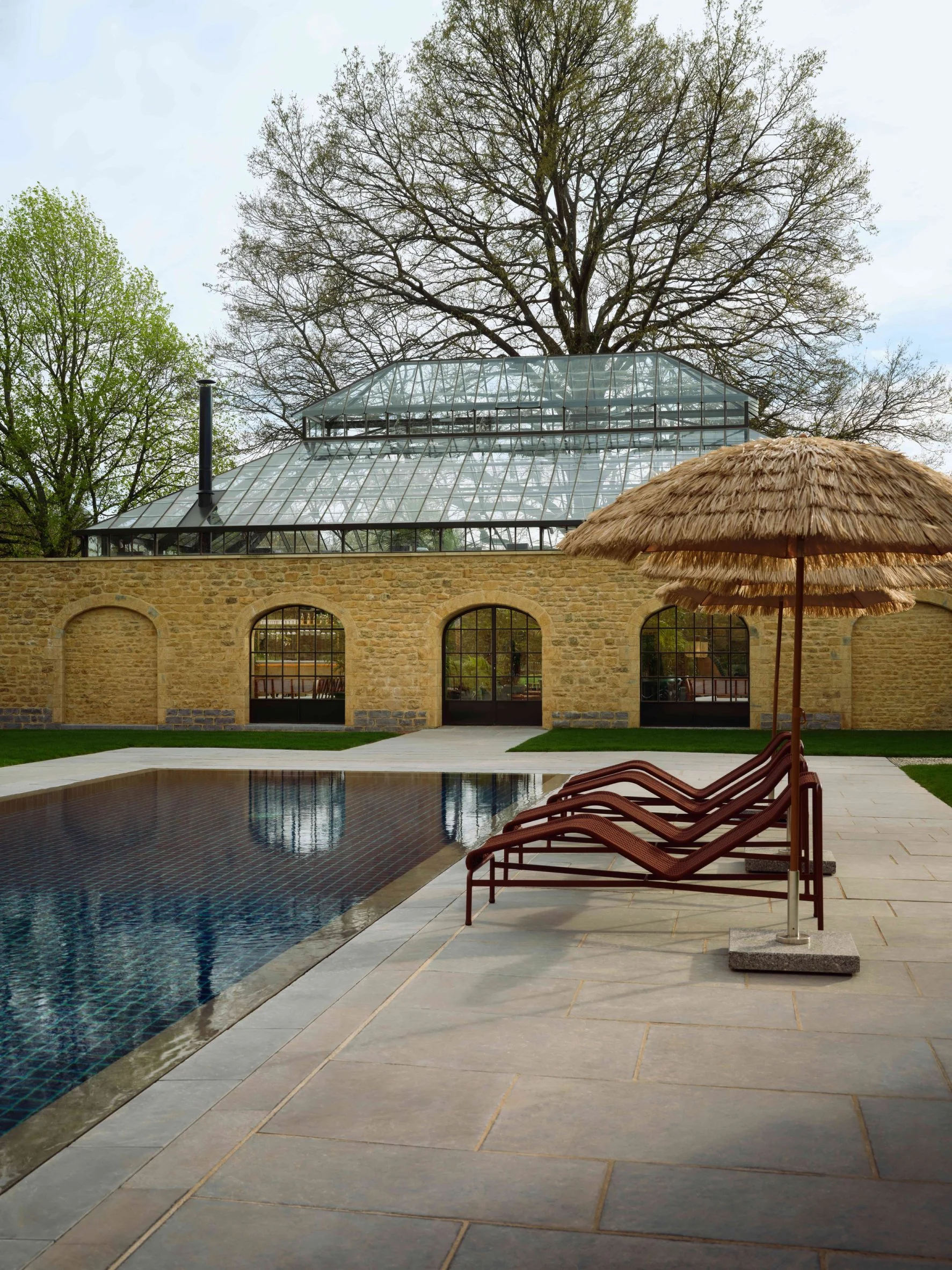
The expansive grounds encompass an inviting swimming pool across from a greenhouse, further enhancing the retreat's allure. The presence of these amenities not only serves recreational purposes but also complements the historic ambiance, creating space for relaxation and socialization. It's these thoughtful enhancements alongside historical nods that elevate Yarlington Lodge into a multi-layered experience where the past and present coexist gracefully. This thoughtful curation is what potential guests will remember long after they’ve left.
Implications and Future Outlook
The significance of such projects extends beyond the immediate architectural feats achieved. They serve as a barometer for how communities can engage with their own histories while still catering to modern needs. In an age where heritage conservation is often at odds with commercial development, Yarlington Lodge stands as an example of what can happen when designers prioritize both. If you’re working in this space, you’ll find that projects like these hold lessons not just in aesthetic balance, but also in cultural responsibility.
As tourism evolves, accommodations that blend rich histories with modern comforts are likely to appeal more to discerning travelers. Yarlington Lodge is well-positioned to become a sought-after destination for those yearning for authenticity alongside luxury. The choices made here could inspire similar ventures, helping to shape a new norm in which historical sensitivity and modern living go hand in hand.
Photography by Ollie Tomlinson.
Discussion
Sign in to join the discussion.