A new thatched timber installation at Houghton Festival offers a refreshing space, emphasizing sustainable materials and regenerative design principles.
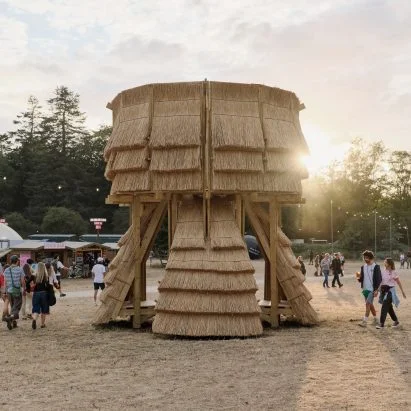
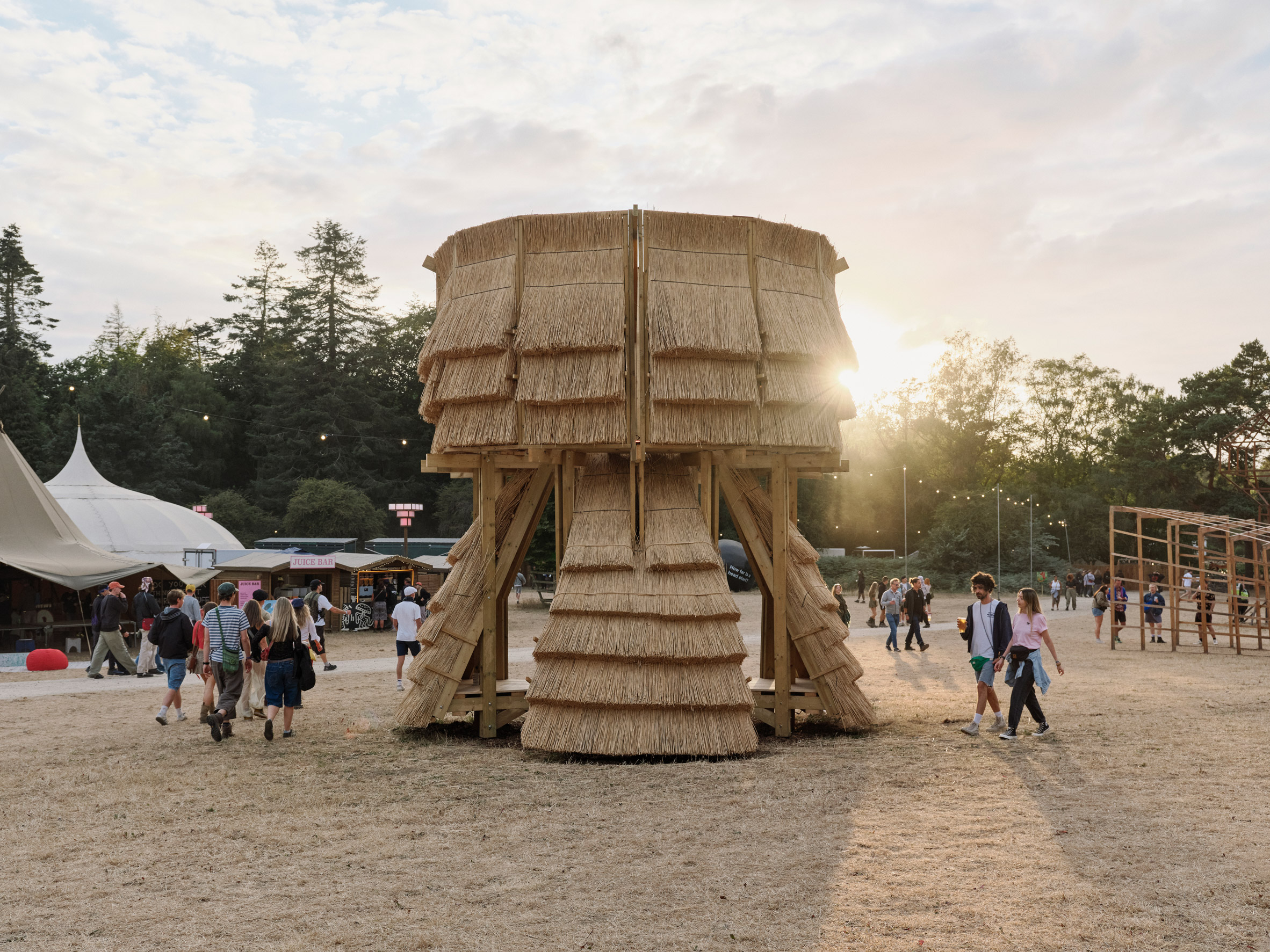
At this year's Houghton Festival in Norfolk, England, design studios Cella Collective and Mitre & Mondays unveiled a striking timber-framed installation known as the Water Tower. This project showcases a contemporary approach to traditional materials, with its walls enveloped in thatch sourced from sustainable reedbeds. The initiative reflects a growing trend toward utilizing local, sustainable materials in design, ushering in a new appreciation for craftsmanship in architecture.
Festival Context and Setting
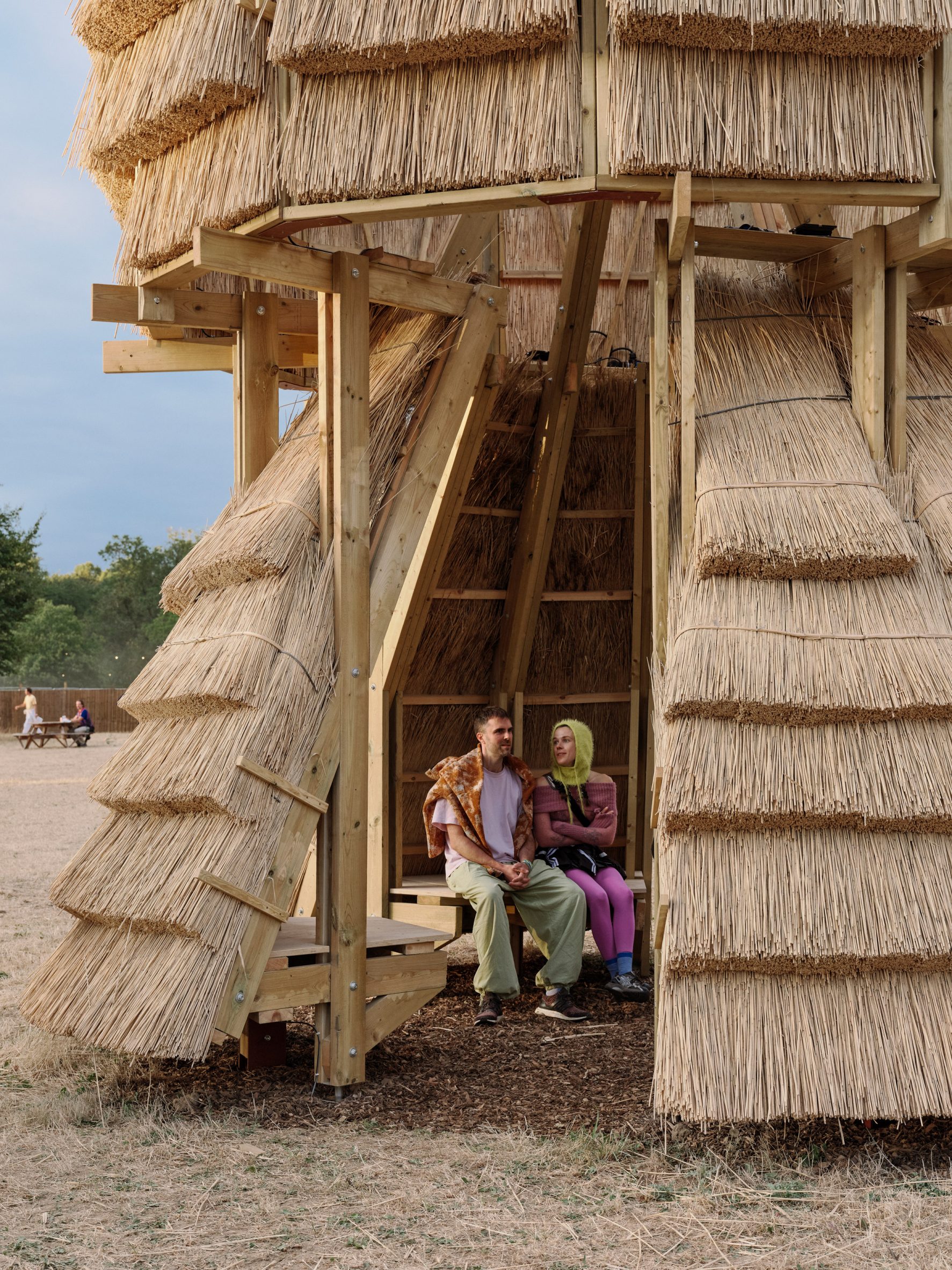
The installation stood at an impressive height of 5.5 meters, serving as a tranquil seating area positioned between the culinary offerings and one of the festival stages. Houghton Festival, held annually, is a celebration of creativity, art, and gastronomy, offering a vibrant backdrop for innovative designs and projects. This year's festival took place from August 6 to 9, providing an ideal setting for the Water Tower, where attendees could experience the seamless blend of architecture and nature as part of a larger artistic vision.
Design Inspiration and Aesthetic
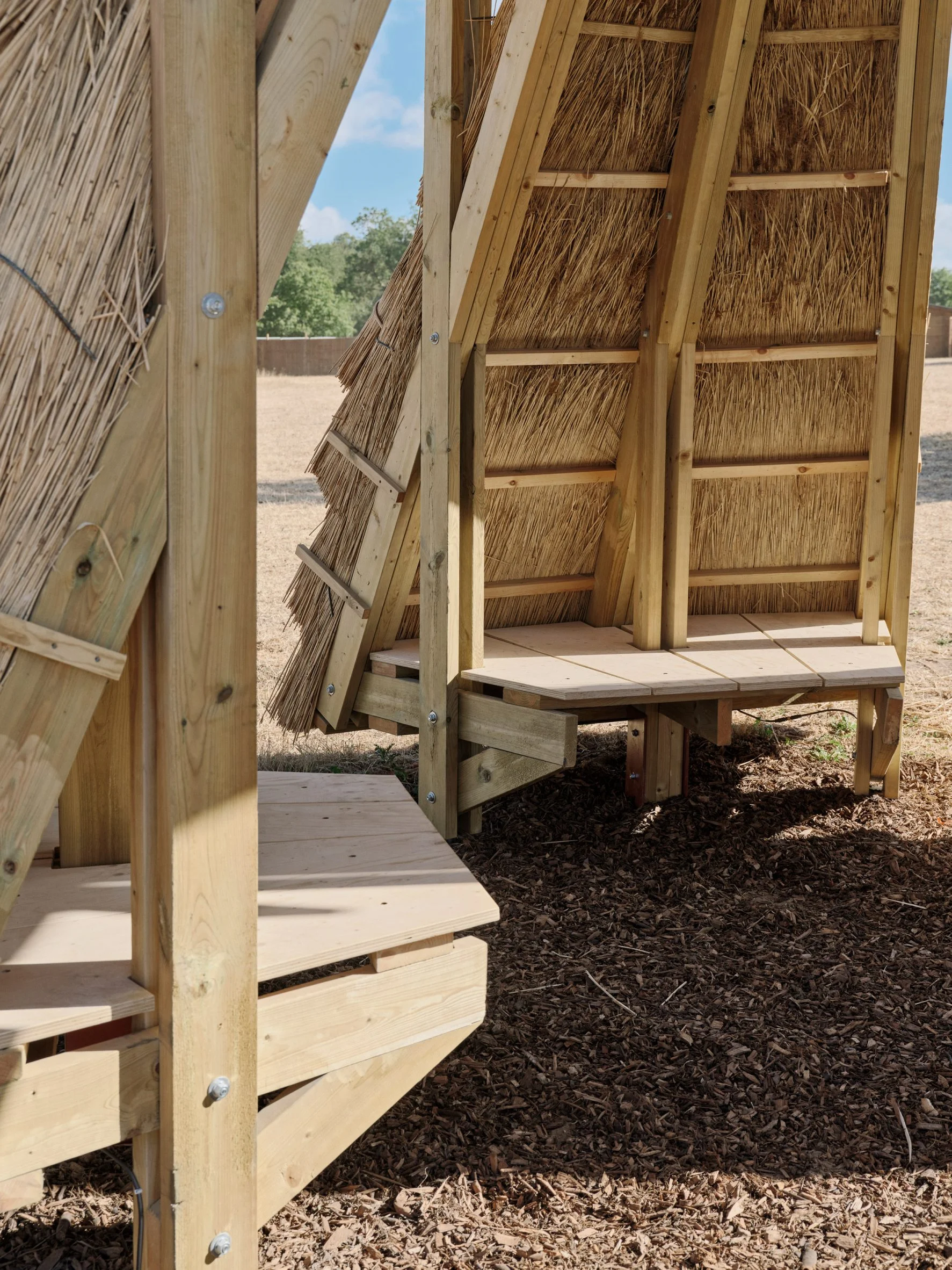
Inspired by a historical water tower constructed for Houghton Hall in 1772, the design features a timber frame and four strategic openings formed by slanted thatched walls. The structure’s top is adorned with a thatched ring, and wooden seating invites festival-goers to enjoy the space while gazing up at the circular roof opening. This nod to history not only adds an aesthetic value but also connects the installation to the local heritage, evoking a sense of continuity with the past. The confluence of modern design with historical references highlights how contemporary architects are reinterpreting classic forms.
Josef Shanley-Jackson, co-founder of Mitre & Mondays, described the intention behind the installation: "I want people to experience something that looks like it has grown out of the ground – to feel cooled by its shady interior and to connect with its handmade essence." This desire to evoke a sensory experience speaks to a larger movement among designers to create spaces that enhance wellbeing and mindfulness. Alys Hargreaves from Cella Collective echoed this sentiment, commenting on the duality of thatched structures that can embody both contemporary and traditional qualities, suggesting that this blend may resonate with a diverse audience.
Commitment to Sustainability
Regenerative design principles were at the core of the Water Tower’s creation. The thatch material was obtained from the Royal Society for the Protection of Birds (RSPB) managed reedbeds, transforming a by-product of land maintenance into a focal point that supports both local wildlife and conservation initiatives. This approach exemplifies an important shift in design ethos, where sustainability goes beyond buzzwords and is embedded in the very fabric of the project. What’s really significant here is how the Water Tower encapsulates a vision for future architecture that isn’t just about aesthetic appeal but also about ecological responsibility.
"We centered the design around a material ecosystem – reedbed landscapes and the art of thatching, aimed at nurturing our environment and local building cultures, both of which are increasingly endangered," stated Hargreaves. She emphasized the project's commitment to challenging convenience-driven consumption, favoring locally sourced and crafted materials over mass-produced alternatives. This focus on locality helps foster a stronger sense of community, rooting the installation in its immediate surroundings while addressing broader environmental concerns.
Craftsmanship and Collaboration
Cella Collective and Mitre & Mondays also collaborated with expert thatchers Wayne Halfpenny and Steve Kelly, whose mastery informed the thatching process. The tradition of thatching not only requires skill but also an understanding of local materials and climate conditions. This craft, often overlooked in the age of industrial building methods, is a vital link to our architectural heritage. Ella Caldicott from Cella Collective noted, "The intuitive crafting techniques we learned from them shaped our approach, with design decisions made in response to the thatching material itself." This interaction between the craftsmen and designers allowed for a more organic design process, yielding an installation that feels authentic and true to its materials.
View this post on Instagram
Future of the Water Tower
Looking ahead, the Water Tower will be disassembled and featured again at future festivals, continuing to promote sustainable building practices. While its physical presence may change locations, its underlying message about environmentally conscientious design will resonate wherever it goes. The dedication to local craftsmanship and materials is a conversation starter that may influence future projects, prompting other designers to reconsider their sourcing practices and design philosophies.
The Houghton Festival also showcased installations like a glowing canopy suspended from trees, designed by EBBA Architects' founder Benni Allan. This diversity of installations not only beautifies the festival but also challenges traditional architectural norms by experimenting with forms and materials, reinforcing the idea that design can be both functional and poetic.
Significance and Broader Implications
This resurgence in thatching techniques reflects a wider global interest in traditional materials, indicating a potential revival of the craft and highlighting a cultural renaissance in building practices. The anecdote of local artisans working alongside modern designers enhances the narrative that future architecture might benefit from a synthesis of old and new. If you're working in this space, consider the implications of such projects—they’re redefining not just aesthetics but also values in today’s architectural discourse. The attention to handmade qualities and sustainable practices suggests that the industry may be at a tipping point where such principles are not merely trends, but essential components of responsible design.
The project's photography is credited to Henry Woide. A visual representation of this installation reinforces its message, serving to inspire future generations to appreciate not only the beauty of design but also the significant stories materials can tell.
Learn more about the Water Tower installation on Dezeen.
Discussion
Sign in to join the discussion.