A new city revolving loan will help restore 665 New York Ave. with 134 homes, including 90 affordable units, as Brooklyn redevelopment begins.
A financing test at 665 New York Ave.
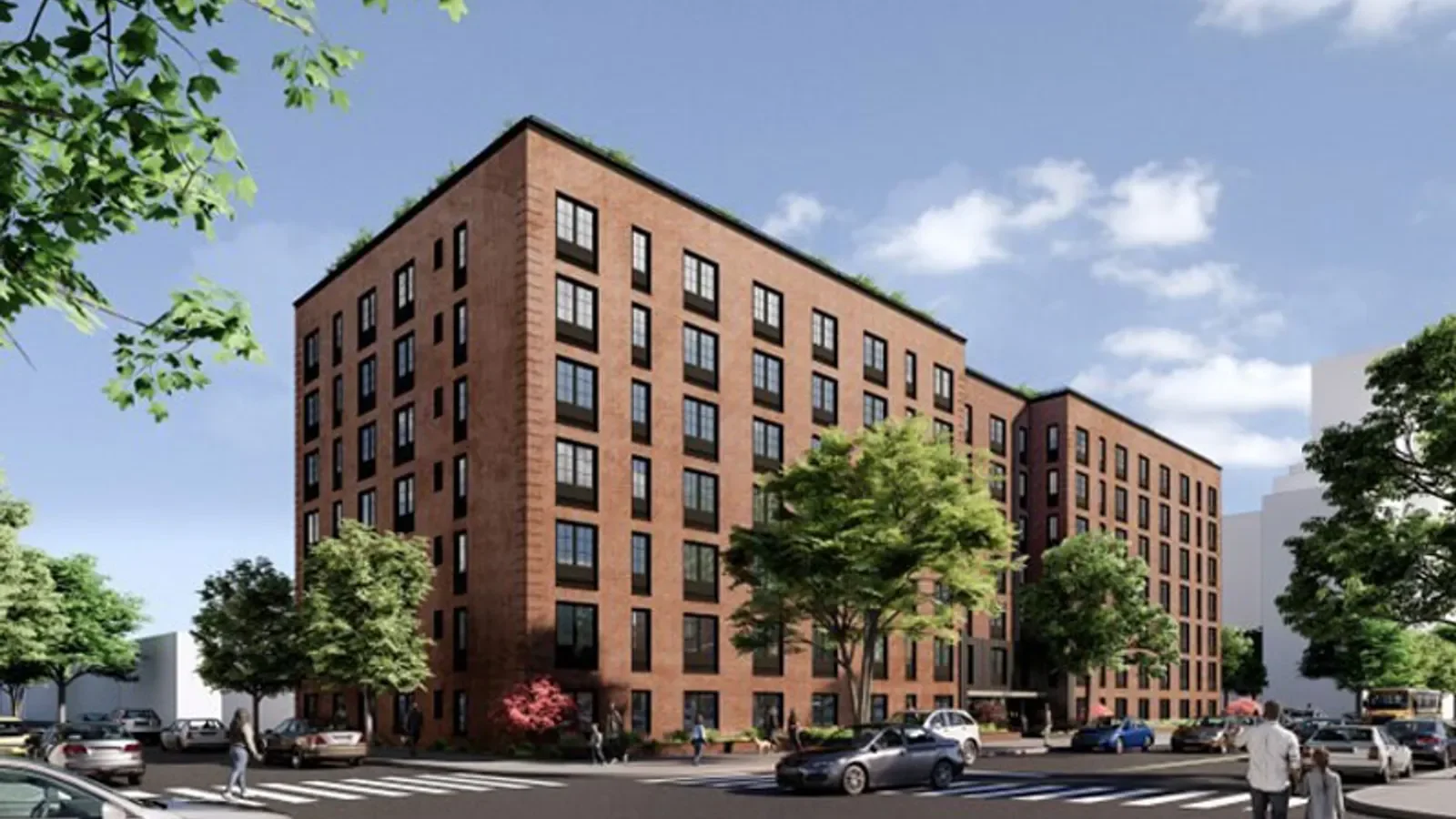
The financing test at 665 New York Ave. could show whether New York City can recycle proceeds from publicly backed projects into new affordable housing. The Brooklyn redevelopment is the first to use Mayor Zohran Mamdani’s Subordinate Market Rate Revolving Term Loan, and it’s set to restore 134 homes in a building left uninhabitable by a 2012 fire. The project therefore carries two related tests: whether the building can be brought back into use, and whether the loan can become a repeatable part of the city’s housing toolkit.
The distinction matters. A single redevelopment can show that a financing mechanism has been put to work, but it can’t by itself establish how reliably the mechanism will support future projects. That’ll depend on how the loan is structured, how funds return to the program, and whether later deals can use those proceeds on workable terms. The source facts don’t yet answer those questions. They do establish a first use case with a clear housing outcome in view.
A targeted return for displaced residents
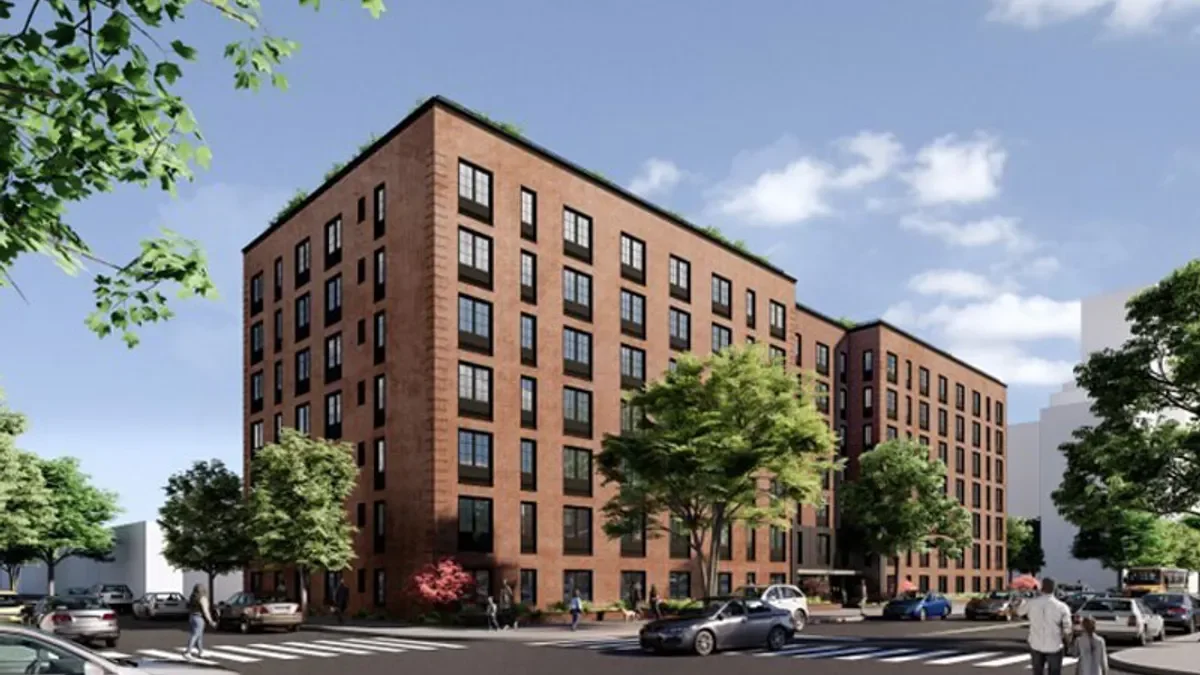
Of the 134 apartments, 90 will be affordable. Eighteen are designated for residents displaced by the fire, while 14 will be set aside for formerly homeless New Yorkers. Developer MSquared is leading the work, with construction expected to finish in 2028. The remaining apartments aren’t described in the available project details, so the announced mix gives a partial picture of who the redevelopment is intended to serve.
That mix gives the project a direct neighborhood role alongside its financing purpose: some former residents are slated to return, while the broader redevelopment adds affordable homes. At a Nov. 18 announcement, Mamdani said the project would bring former tenants home and put the new loan tool to work. That promise is meaningful, though the practical measure will be whether the planned return and housing commitments are carried through as construction proceeds.
Restoring a building that has stood vacant since the fire also makes this a different kind of housing story from a project that begins with a cleared site. It concerns homes lost to a specific event and the prospect of returning some displaced residents to them. For those households, a planned return is more than a unit count; it connects the redevelopment to the people affected by the building’s long vacancy. And yet, a promise in an announcement and a completed home are different milestones.
What a revolving loan is meant to do
New York’s program is part of a wider municipal interest in revolving housing finance, which recycles repayments or revenue from earlier projects to support later ones. The idea is to make public funds serve across more than one round of development, instead of treating each project as a separate use of capital. That’s the basic appeal. The real performance depends on the terms of the financing and on whether money actually comes back in a form that can be put to work again.
Montgomery County, Maryland, offers one example: its Housing Production Fund launched at $50 million in 2021, grew to $100 million, and has backed more than 3,000 affordable units. Those figures show the scale that one local program has reached, but they don’t establish what New York’s loan will produce. Programs can differ in their funding, repayment arrangements, project selection and definitions of success. A comparison is useful as context; it isn’t a forecast.
For New York City, the key question is how the new loan fits the economics of a specific redevelopment. A revolving structure can extend the reach of public backing if repayments return and can support subsequent work. It can also take time for that cycle to become visible. The announcement identifies 665 New York Ave. as the first project using the tool, but doesn’t provide the loan amount, repayment schedule or projected proceeds. Without those details, the project’s eventual financing performance can’t yet be assessed from the available facts.
Scale, delivery and the test ahead
New York City’s Block by Block plan sets a goal of building or preserving 200,000 affordable homes over the next decade, backed by a stated $22 billion investment over five years. The 665 New York Ave. project will put the revolving loan approach into practice; its delivery and financing performance will help define what role the tool can play in that larger housing effort. One building won’t determine whether the city meets its broader goal, but it can offer an early, concrete example of how this financing approach is being used.
Here’s the thing: the unit count and affordability commitments are only part of the test. The project is expected to finish in 2028, giving observers a stated milestone against which to track delivery. The financing question runs alongside it: whether the loan supports the redevelopment as intended and whether proceeds can later return to housing work. If you’re working in this space, those are separate measures to watch. A completed building would show delivery; a functioning revolving fund would require evidence about the money’s path beyond this first use.
This is more significant than it looks, but the significance is still provisional. The project joins a specific restoration to a citywide housing ambition, and it gives the new loan program a first case to prove itself against. A single case can expose practical strengths or constraints, though it can’t settle how the tool will perform across different projects. The announced facts establish intent, scale and a target completion year. The evidence of a lasting financing cycle will come later.
One early test, with 134 homes in view.
Discussion
Sign in to join the discussion.