A deadly Brooklyn collapse renewed scrutiny of a Flatbush construction site that had received earlier safety violations. Investigators have not determined the cause.
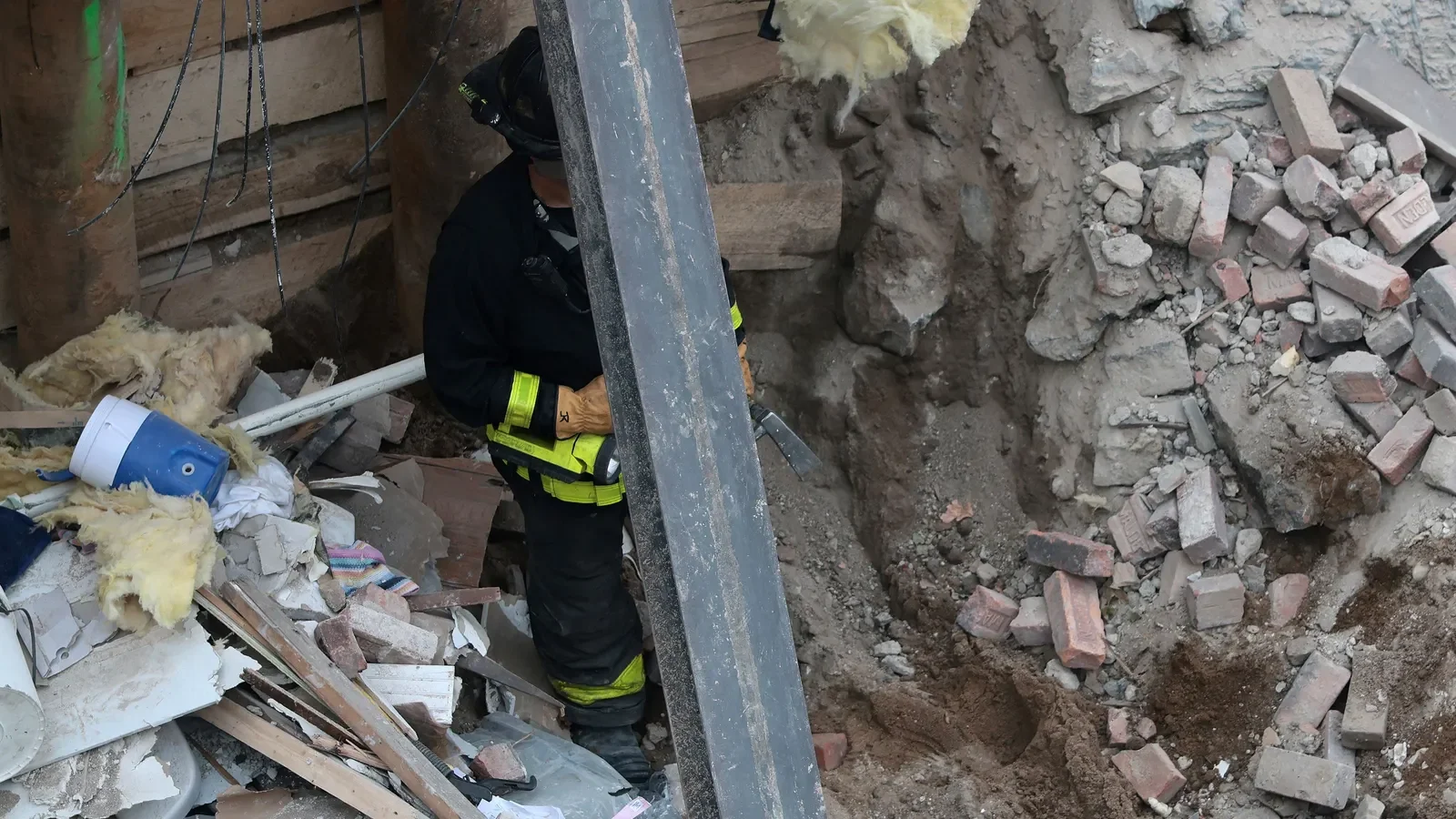
Prior violations put the jobsite under scrutiny
The key fact in the Brooklyn collapse is that the adjacent construction site had already drawn a stop-work order months earlier. The New York City Department of Buildings said it issued the order and a violation on March 20, during demolition, after inspectors found inadequate overhead protection for nearby properties in Flatbush. That protection is intended to reduce the danger to neighboring buildings and people when demolition work is underway. Its absence put safety controls at the site under scrutiny before the collapse, though the violation alone doesn’t explain what happened later.
A follow-up inspection on April 23 found demolition had resumed, prompting another violation. The department lifted the order on May 8 after the project team corrected the cited conditions. The sequence raises questions about how work resumed and what inspectors found when the order was cleared, but it doesn’t establish that the earlier violations caused or contributed to the collapse. That distinction matters: a documented safety violation is relevant history, not a finding about the failure mechanism.
The collapse on Wednesday killed eight people, including two construction workers, and injured 18 others, Mayor Zohran Mamdani said at a Thursday press conference. The DOB later issued a new stop-work order, citing “unsafe construction operations causing” the collapse. The wording identifies the department’s stated basis for the order; investigators’ findings will determine how that language connects to the earlier violations and to the physical events at the site. Until then, the cause remains unsettled.
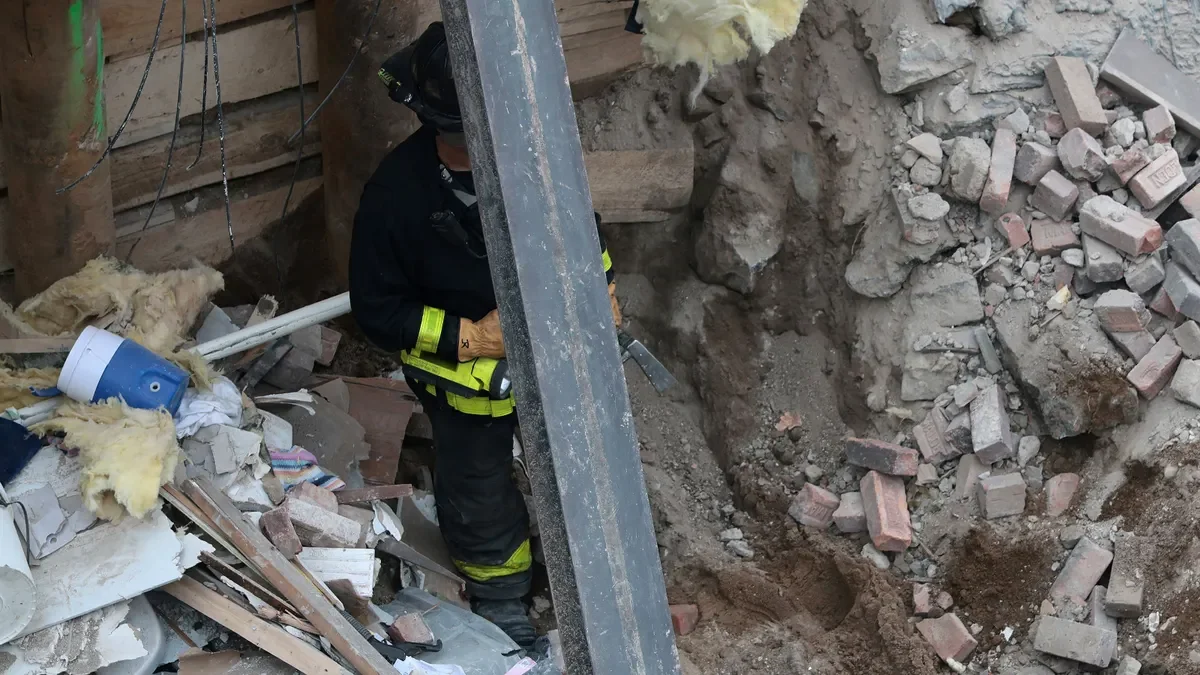
At the press conference, Mamdani said five entities connected to the project are associated with roughly 100 other sites around the city. The DOB began inspections at those locations that day. Those inspections extend the scrutiny beyond the collapsed site, but the announcement doesn’t say that the other locations have similar conditions or violations. The point is to check, not presume.
“If there is anyone or any entity operating in this city that bears responsibility for what happened, we will hold them fully accountable,” he said. The pledge sets out the mayor’s position; the inspection work and investigation will establish what responsibility, if any, belongs to particular parties. This is more significant than it looks: when project entities work across many locations, a city response can quickly become a broader check on how their sites are being managed.
Project permits identify Robert Fischman of W6 Facility X as the owner and Cheng-Yi Lin Architecture as the architect of record. Neither could be reached for comment by publication time. Those permit roles help identify the parties connected to the job, but the article doesn’t establish what each knew about the cited conditions or what role each played in construction operations.
Dense construction is common; safe support still matters
Building beside older structures is routine in New York, but routine work can carry unusually tight margins. Joe DiPompeo, president of New Jersey civil engineering firm Structural Workshop, said he could see supportive excavation beside a large hole near the site. Such support is standard practice in a city where buildings often stand close together. The presence of support, however, doesn’t by itself show whether the system was properly designed, installed, or maintained in this case.
“There’s nothing unusual about digging a hole next to a 100-year old brownstone townhouse in the city,” DiPompeo said. He pushed back on speculation that excavation alone showed crews had damaged the neighboring building, noting that similar work happens at hundreds of city sites. His point is a useful check on early assumptions: proximity and excavation are ordinary features of dense construction, not proof of a cause.
That explanation has limits. DiPompeo also said failed or inadequate soil bracing could allow a neighboring building to fall into an excavation. The available information doesn’t establish whether the support system failed here. Investigators will need to determine how the excavation, bracing, and neighboring structure interacted, rather than infer a failure from the presence of a large hole alone.
Construction lawyer Timothy Hegarty, a partner at Zetlin & De Chiara, said New York’s building codes reflect the risks of building inches from century-old structures. He described the margin for error as exceptionally small and said such tragedies remain uncommon because builders typically conduct due diligence. That offers context for why safeguards matter, but it doesn’t answer whether the required care was taken at this site. And yet, when work occurs beside occupied or vulnerable buildings, even ordinary construction methods demand close attention.
Search and rescue continued
Fire Department of New York Commissioner Lillian Bonsignore said Thursday that crews remained in search-and-rescue mode. That meant the response was still focused on locating and reaching people in the rubble, even as officials addressed the site’s safety history and the investigation ahead. The immediate priority remained the people who might still need help.
Mamdani thanked first responders and also recognized construction workers who survived the initial collapse, then returned to dig victims from the rubble. “People are alive today because of their heroism yesterday,” he said. Their actions are part of the human account of the collapse, while the investigation will have to establish how the site’s safety controls and construction conditions contributed to the disaster. A painful distinction, but an essential one.
What the next findings need to establish
The public record described so far contains two different kinds of information: earlier DOB violations related to overhead protection, and a new order citing unsafe construction operations in connection with the collapse. Investigators will need to clarify whether those records describe separate safety problems or parts of a wider pattern at the jobsite. The article provides no finding yet that links the March and April violations to the collapse on Wednesday.
The inspections at other sites associated with the project entities may show whether the DOB finds conditions that warrant further action, but the announcement alone doesn’t tell readers what those inspections will uncover. If you’re working in this space, the central question is whether the investigation can connect documented site conditions to a specific sequence of failure. That answer will carry more weight than speculation based on the project’s history or the fact that excavation beside older buildings is common.
Discussion
Sign in to join the discussion.