Waddesdon Manor's Wedding Cake pavilion will come down after its faulty ceramic tiles had no viable repair, with the grounds returned to grass within six months.
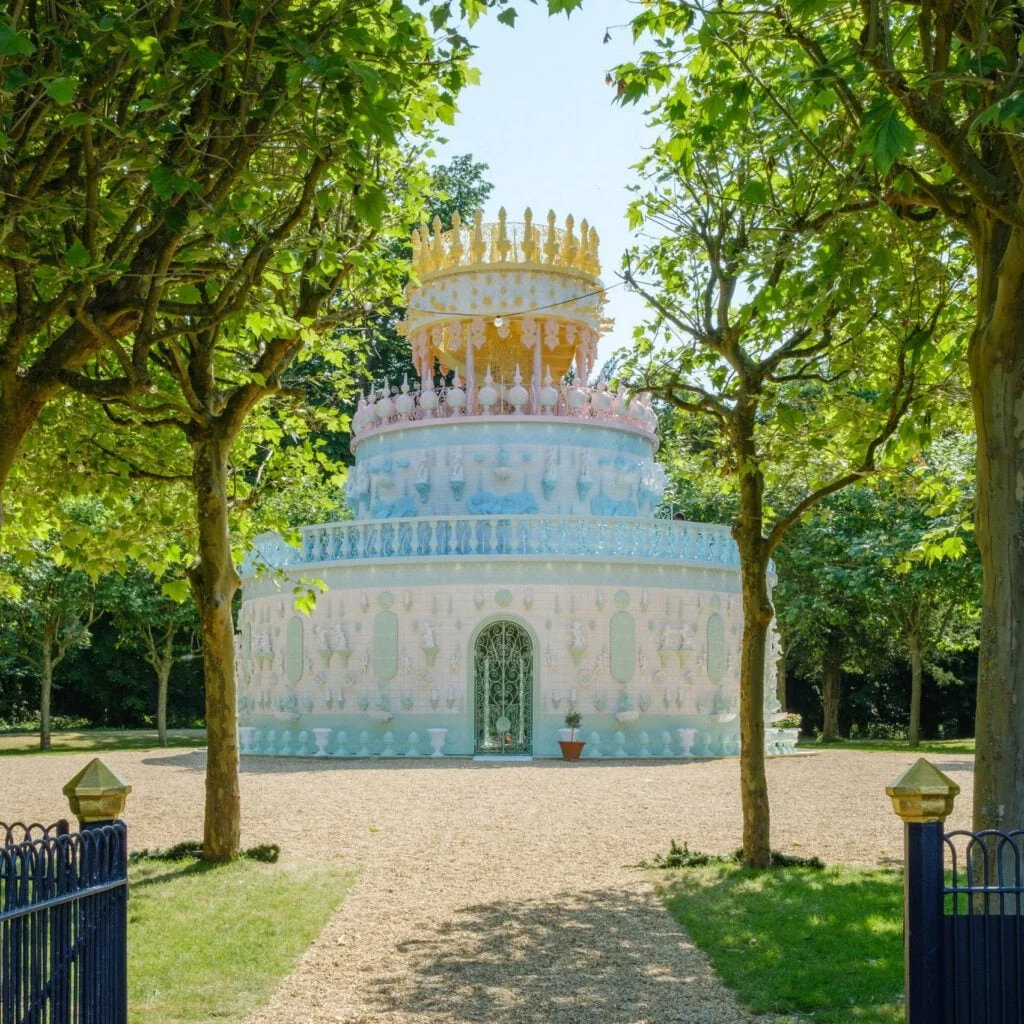
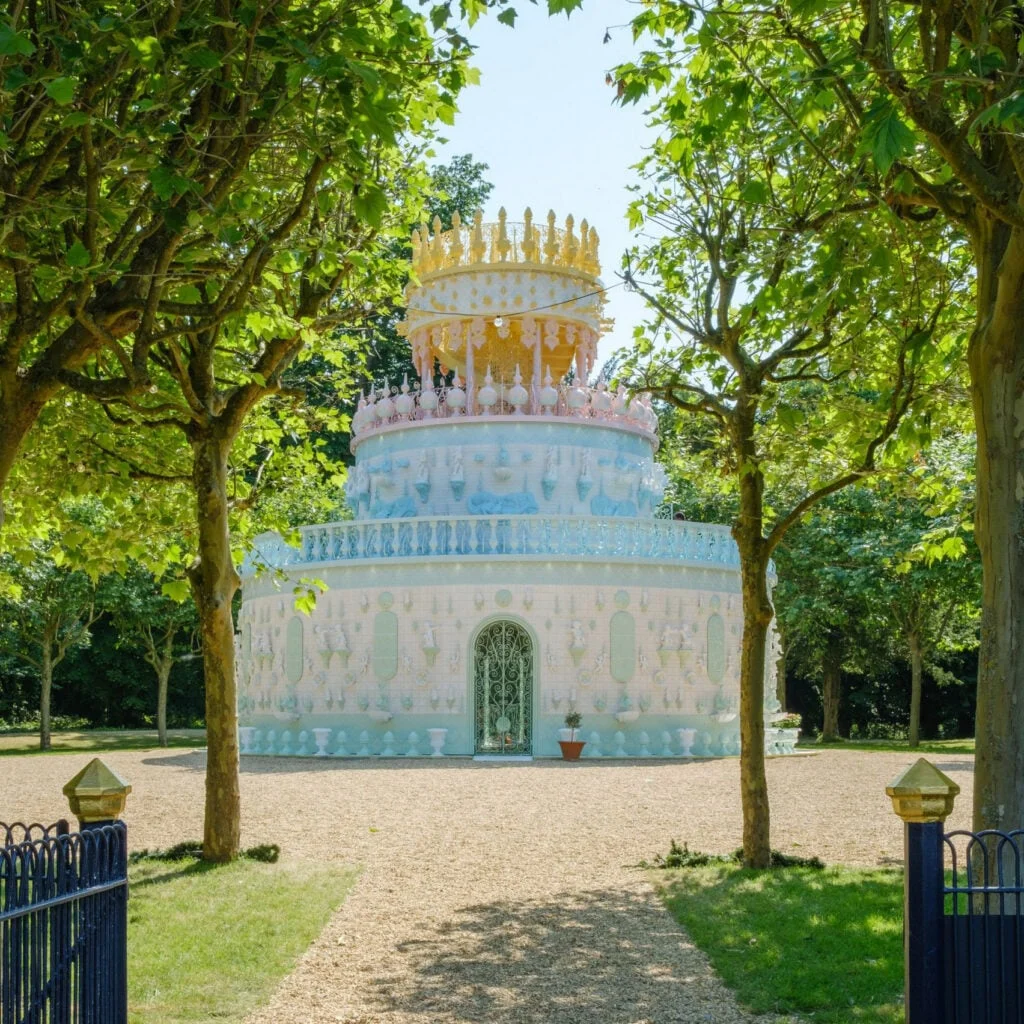
Waddesdon Manor's 12-metre Wedding Cake pavilion is coming down. The Grade I-listed Buckinghamshire estate closed the sculptural structure over health and safety concerns, and the problem sits in its skin: the ceramic tiles are faulty. That makes this more than a change of plans for a garden artwork. Visitors can't use a structure that's been closed for safety reasons, and its defining surface is the part that can't be relied on.
A spokesperson told the BBC that the pavilion, installed in 2023, hasn't been "open for quite as long as hoped." For a piece designed to be permanent, that's a short run. The remark is understated, but the gap between a permanent commission and a structure that needs to be removed within a few years is hard to miss. The closure also leaves the estate with a practical question: what should happen to a prominent artwork when its materials can't safely do the job?
The tiles that broke the build
Portuguese artist Joana Vasconcelos designed the pavilion as a permanent garden structure. Its three tiers are wrapped in glazed, pastel-toned ceramic tiles made by the historic manufacturer Viúva Lamego, styled to look like cake icing. Those tiles are now the problem, and the structure closed because of concerns about their safety. A report with photos of the damaged tiles was posted to Buckinghamshire Council's online planning portal, though the root cause hasn't been made public.
That missing explanation matters. The available information identifies damage and a safety concern, but doesn't establish why the tiles failed or whether the problem is limited to particular areas. Without that detail, it's not possible to judge whether the issue arose from the tiles themselves, their installation, or how the whole assembly performs outdoors. Those are distinct questions, and the remedy depends on which one applies.
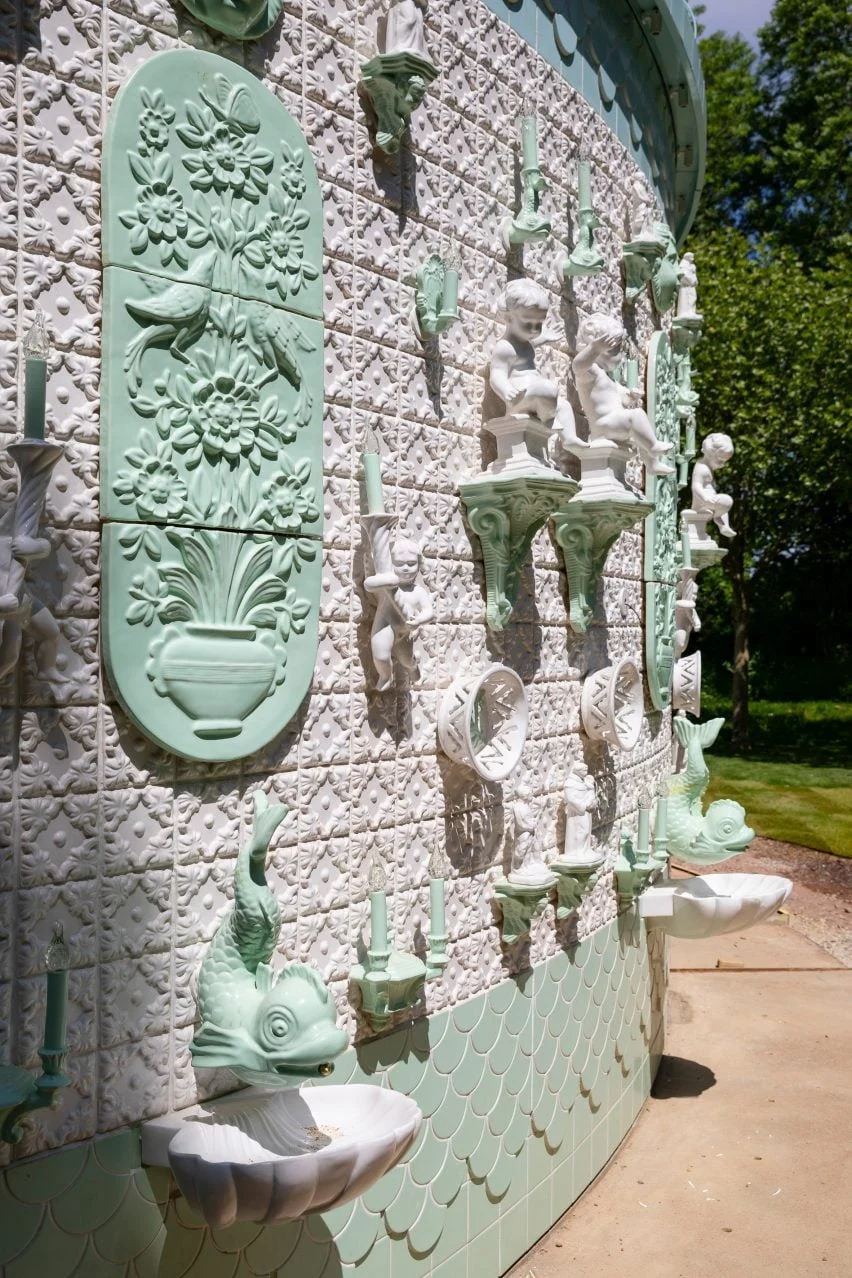
According to the BBC, a council officer found no viable way to repair the tiles. The council has since approved a change to the listed building consent that allows the sculpture to be removed. Because the manor and its grounds are protected, that consent was needed before any dismantling could begin. The decision reflects a balance familiar to sites with protected settings: the artwork has a place in the grounds, but keeping it there must be weighed against safety and the possibility of a workable repair.
And yet, approval to remove it doesn't explain the original failure. That distinction matters for anyone commissioning ambitious work: permission to take down a problematic structure settles the immediate site question, while the technical questions may remain unanswered in public.
A removal deadline with a sooner target
The structure must be removed no later than January 2036. The Rothschild Foundation, which manages the estate, wants it gone as soon as possible. That gap matters. A 2036 backstop is a ceiling, not a plan, and the estate's preference points toward a clean break rather than a long wait for a fix.
The longstop date gives the consent a clear outer limit, but it shouldn't be mistaken for a timetable. The Foundation's stated preference is for earlier removal, and the practical sequence will depend on carrying out the work and restoring the site. For visitors, that means the pavilion's future is settled in broad terms even if the exact timing isn't.
The revised consent also requires the surrounding ground to be returned to grass within six months of removal. So the site won't stay a half-finished construction zone. That condition gives the grounds a defined next state, rather than leaving the area as an open-ended remnant of a failed installation.
Ambition built around the material
When the pavilion was completed, Vasconcelos told Dezeen it was her "most ambitious project to date." The tiles were central to that ambition. She used ceramics and textiles to challenge the traditional hierarchy of what she calls "noble materials," such as marble, in grand architectural settings. The design's visual effect depended on making a material often associated with surface decoration carry the presence of a substantial architectural form.
The material also dictated the form. Viúva Lamego's standard 14-by-14-centimetre tiles set the size of the whole structure, producing an 11-metre diameter, the smallest footprint the tiles allowed. That tight link between tile and geometry is why a tile failure isn't a cosmetic fix. Replacing the skin means rethinking the shape. (And this is the part most people overlook.) In a project where the components set the dimensions, a repair may be a redesign in all but name.
Here's the thing: the visual idea and the construction system weren't separate layers. The tiles gave the pavilion its cake-like appearance, while their standard size helped establish its proportions. That integration is artistically coherent, but it can leave little room for a simple material swap if the original surface proves unsafe. The numbers here are underwhelming: a structure intended to be permanent has had a notably brief public life.
What comes next for the grounds
The pavilion is Vasconcelos's fourth project for the estate. Baron Ferdinand de Rothschild built the house in the 1870s to entertain guests and display his ceramic collections, and the estate has a track record of commissioning art for its grounds. A spokesperson said it plans to keep doing so, including a new contemporary sculpture trail due to open in July 2027. The pavilion's removal therefore sits within a continuing programme, rather than signalling an end to contemporary art at Waddesdon.
That programme now has a concrete example of how a commission can meet the test of use and durability. Outdoor works have to contend with exposure and regular public access, and materials that perform well as an artistic surface may present different demands when they form part of a large structure. If you're working in this space, the episode is a reminder that the conversation about a permanent commission needs to include how its material choices will hold up in place, not just how they'll look on opening day.
Vasconcelos's wider work has reached well beyond the estate, including a 24-metre-long textile installation for Dior's Autumn Winter 2023 catwalk show. The comparison doesn't establish why the Waddesdon tiles failed; the projects use different materials and serve different settings. But it does underline that scale and permanence are separate questions. A commission can be visually ambitious and still run into practical limits as a building element.
The lesson for future commissions
Watch the sculpture trail closely. It will show whether the estate picks materials that can carry a permanent commission, or whether the Wedding Cake episode makes it more cautious about ceramics on that scale. Either way, the choice will be read against this removal, because the pavilion made the connection between artistic concept and construction material unusually visible.
There's no public account here of the tiles' root cause, and no basis for claiming that ceramics as a category are unsuitable for outdoor art. The narrower point is more useful: a permanent work's design, materials, and maintenance demands have to function together. The Wedding Cake pavilion made that challenge tangible—and now the estate has to decide what follows on the same grounds.
Discussion
Sign in to join the discussion.