University of Nottingham students present projects redefining urban spaces, focusing on sustainability and community, including a reimagining of Finsbury Health Centre.
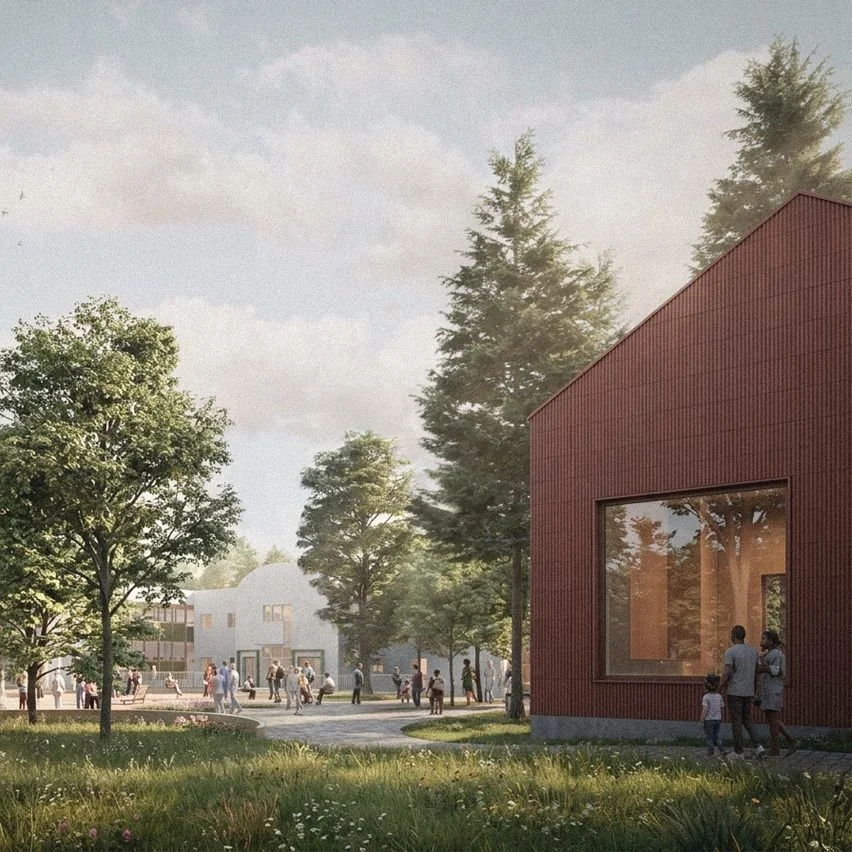
The University of Nottingham has showcased a series of student-led projects that push the boundaries of sustainable and community-oriented architecture. Among the highlights is a transformative proposal for the Grade I-listed Finsbury Health Centre. This initiative aims to adapt Berthold Lubetkin’s historic vision for modern use, creating a healthcare hub that promotes collective wellbeing while retaining its architectural heritage.
Transforming Finsbury Health Centre
Aidan Sinclair, a student in the MArch Architecture (ARB/RIBA Part 2) Level 7 Apprenticeship program, spearheads the reimagining of the Finsbury Health Centre. Sinclair’s design extends the original mission of public welfare into the 21st century, proposing an integrated health and wellness district. The design incorporates not only healthcare services but also community programs and exhibition spaces, enhancing the public realm. By fostering an environment that reduces stigma associated with accessing health services, the project aims to create a seamless connection between healthcare, culture, and daily life.
New Approaches to Urban Education
Another notable project from the University focuses on creating a sustainability-centric primary school. The intention here is to instill eco-conscious habits in children from a young age, emphasizing design elements that promote learning while minimizing carbon emissions. Students employed advanced environmental performance tools, ensuring every aspect of the school maximizes daylight, air quality, and thermal comfort.
Revitalizing Urban Spaces
Several student projects, including a revitalization strategy for Norwich's historic high street, tackle the pressing issue of urban decay. These initiatives propose retrofitting existing commercial units, introducing temporary pavilions, and pedestrianizing areas to enhance public interaction and accessibility. One project transforms a disused medieval church into an enterprise hub, showcasing how adaptive reuse can breathe new life into underutilized urban architecture.
Innovative Designs for Urban Regeneration
Projects like Unbuilding Trent Basin by Anthony Tse challenge conventional notions of urban architecture by repurposing redundant structures into material repositories for urban mining and collective making. This ethos repositions the city as a resource bank rather than a site of constant renewal. Tse’s approach not only proposes the reincorporation of repurposed materials into new constructions but also elevates the concept of degrowth urbanism.
Sustainability Meets Civic Engagement
Tooting Exchange, led by Emily Gibson, sets out to redefine high street interactions by converting neglected spaces within Tooting Market into venues for repair, learning, and community engagement. Rather than just another retail destination, Gibson’s design emphasizes creating social landscapes that encourage prolonged public engagement, thus enriching the urban fabric.
Redefining Energy in Architecture
Cecil Pun's thesis on Architecture and Energy investigates sustainability by reimagining the Greenwich Power Station as a self-sustaining sports complex. The project aligns architectural design with energy systems, advocating for a shift towards passive designs and renewable energy, positioning the building as a model of environmental responsibility.
Community-Centric Architectural Solutions
Efforts to address urban community needs are evident in Evlin Servis's project, which aims to bridge institutions and city life through a new civic-cultural hub in Bristol. This design strategically connects public routes, activating underused spaces and enhancing public spaces through an inclusive architectural approach that encourages diverse community interaction.
Conclusion: Future Directions in Architecture
The work produced by the students at the University of Nottingham not only reflects innovative architectural practices but also emphasizes the importance of sustainability and community engagement. As the field evolves, these projects pave the way for future architects to integrate ecological awareness and social responsibility into their designs, ensuring urban environments meet the needs of the 21st century.
This showcase is part of a collaboration between Dezeen and the University of Nottingham. To learn more about the prominent architectural studies and the emerging talents in the field, visit the university's program pages.
The post University of Nottingham Projects Spotlight Sustainability and Community appeared first on Dezeen.
Discussion
Sign in to join the discussion.