Google's ambitious renovation of the Thompson Center in Chicago features a striking new facade and aims to enhance the building's environmental performance.
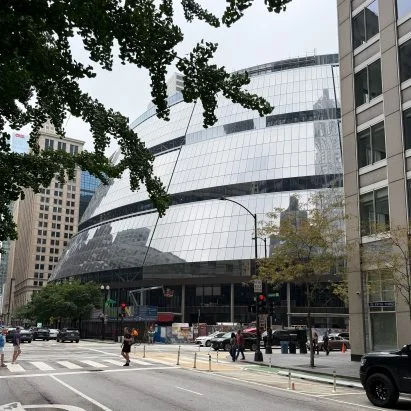
A Landmark Undergoes Major Change
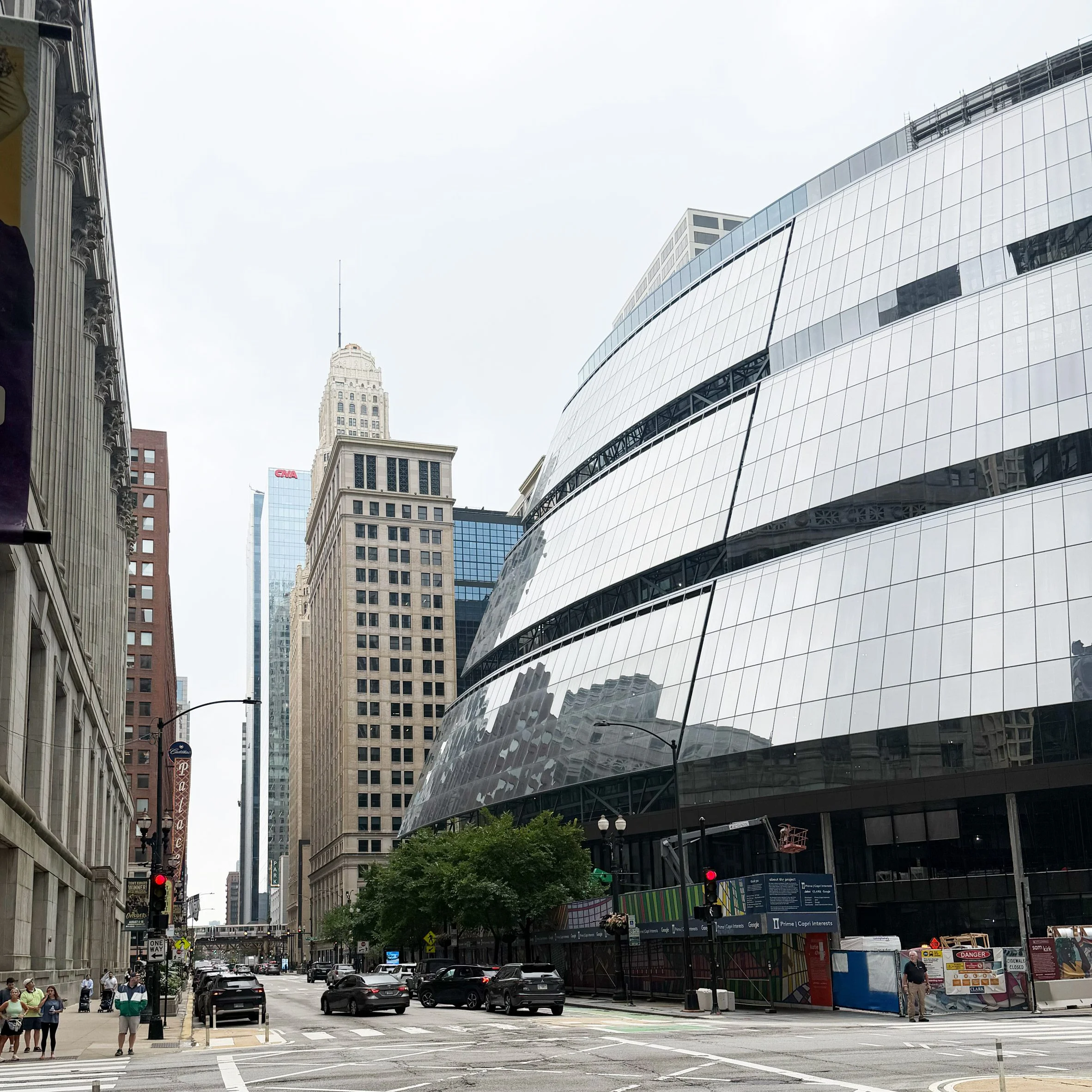
The historic Thompson Center in Chicago is in the midst of a substantial renovation, a project spearheaded by Google in collaboration with architecture firm Jahn. Recent images demonstrate the nearly completed facade, which suggests a strong commitment to modernizing this architecturally significant structure while maintaining its historical context.
A Glimpse Into Architectural History
Originally designed by Helmut Jahn in the 1980s, the Thompson Center stands as a notable example of postmodern architecture. Its unique design has made it a recognizable feature of Chicago’s skyline and a centerpiece of public architecture. Despite its artistic value, the building faced an uncertain fate when it was put up for sale in 2015, triggering debates about the possibility of demolition. Such talks echoed the broader challenges faced by legacy structures in urban environments where modernization often clashes with preservation.
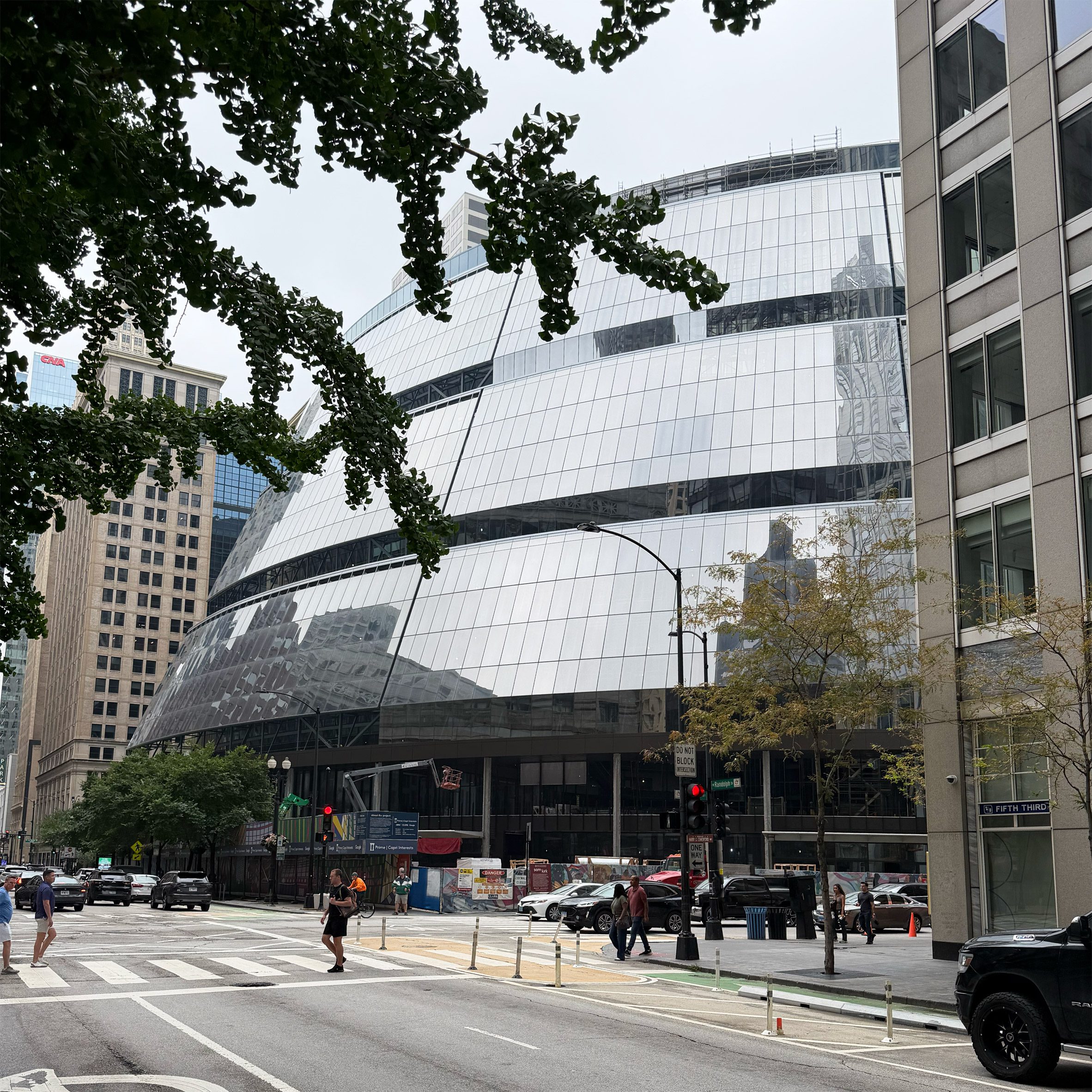
A New Era for the Thompson Center
In 2022, the building was acquired by Google's parent company, Alphabet Inc., marking a potential turning point for this renowned structure. Plans are in place for it to serve as Google’s Chicago headquarters, combining office space on the upper levels with retail outlets on the ground floor. This dual-purpose approach reflects a contemporary trend where mixed-use developments are favored for urban revitalization, aiming to attract a diverse range of visitors and users.
Design Changes: A Study in Contrast
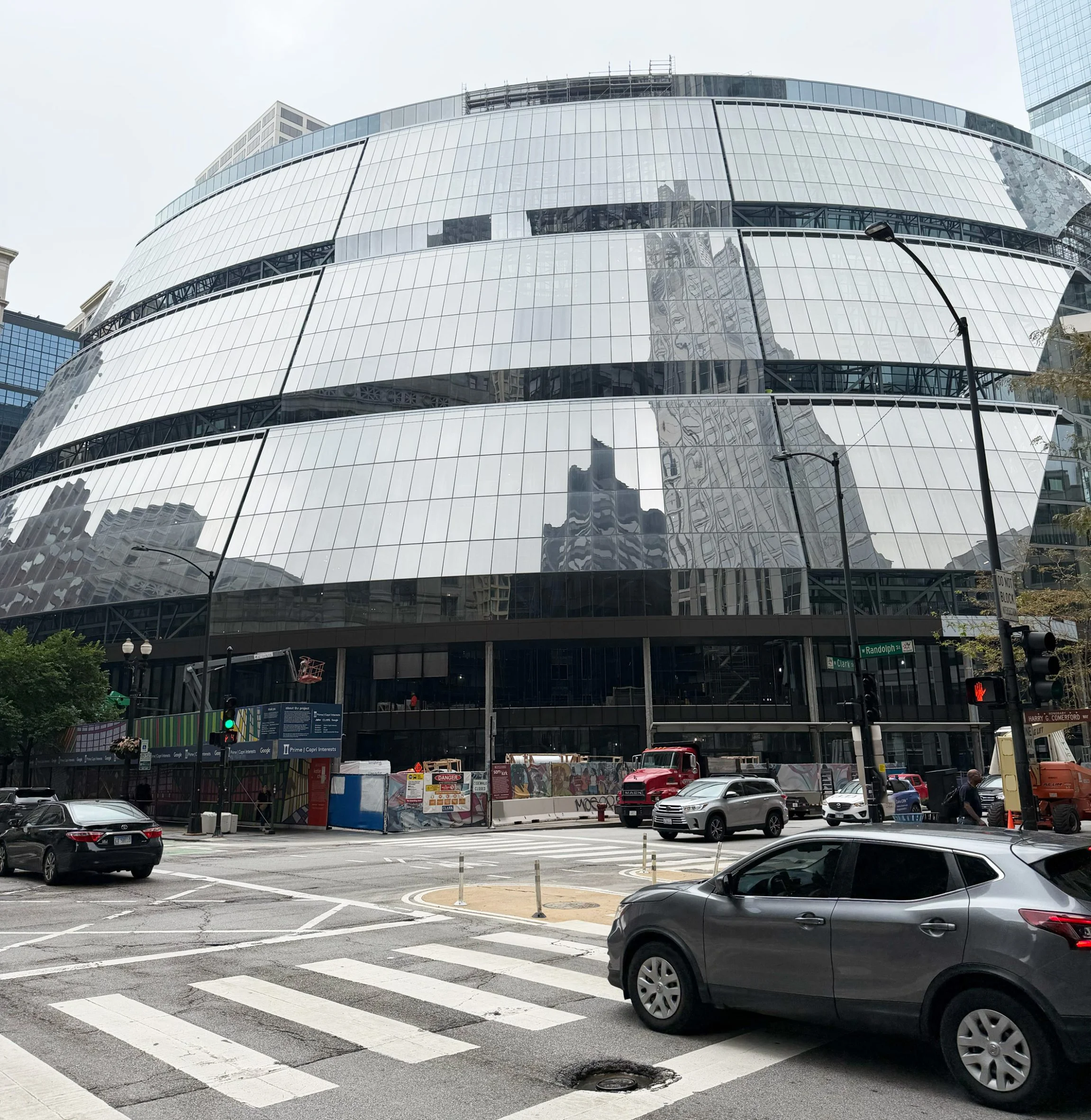
The renovation's design specifics illustrate a significant departure from the building’s original aesthetic. The new facade replaces the original patterned glass with a sleek, uniform curtain wall. This modernization is aligned with the pressing need to enhance the building's environmental performance, a topic that’s increasingly important in architectural discourse. The shift to a more energy-efficient structure couldn’t be timelier, considering urban centers' growing emphasis on sustainability.
Curiously, initial visualizations hinted at a transparent facade that would enhance street-level visibility. However, the executed design features a reflective finish on the new glazing instead. Such choices could be interpreted as a compromise between aesthetic appeal and functional considerations. The reflective surface raises questions about the accessibility of public space; will it invite people to interact with the building or create a barrier?
Enhancements for Public Interaction
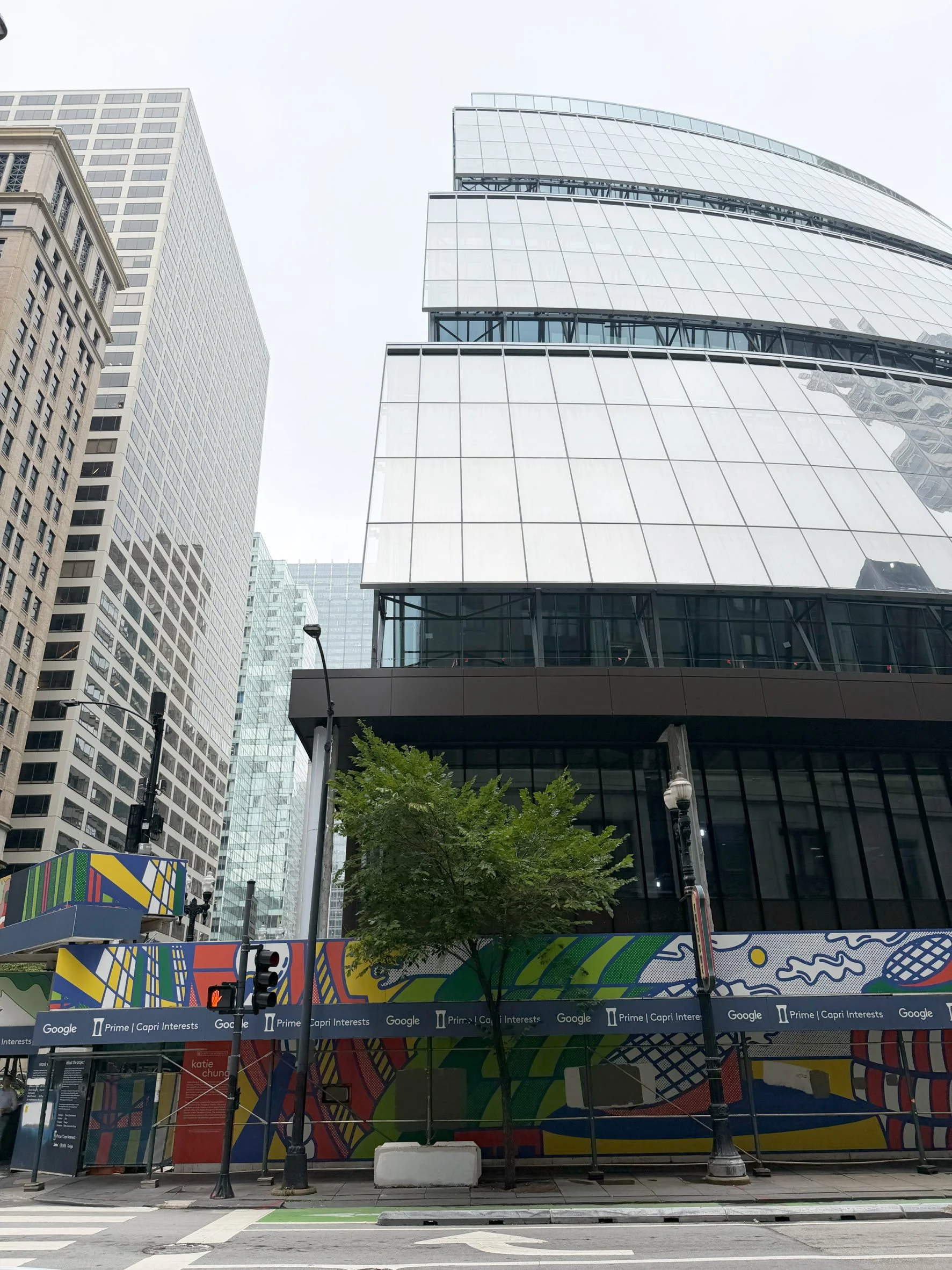
Below the polished glass facade, the design strategy introduces a contemporary concrete and brass colonnade that discards the previous red and beige stone finishes. By adopting a modern aesthetic, the renovation seeks to foster a welcoming atmosphere while reinforcing the idea of public engagement in urban architecture. Creating spaces for restaurants and collaborative work areas within the central atrium aims to transform it into a vibrant gathering spot, which is significant in a city that thrives on its social culture.
The Road Ahead: Anticipating Change
With the completion date projected for 2027, the Thompson Center will shed the 'James R' from its name, simplifying it to the Thompson Center. This change reflects a broader trend in real estate and development, where branding often shifts to emphasize new ownership and direction. The significance of this transformation extends beyond mere aesthetics. It serves as a point of reflection on Helmut Jahn's enduring legacy, which will permanently intertwine with the building's future as it becomes partly synonymous with Google’s ambitious plans for urban integration.
If you're working in this space, you might want to consider how such transformations could influence your projects. The ongoing renovation foreshadows a potential paradigm shift where technology companies reshape urban environments in ways that resonate more with contemporary uses. Such developments may serve as templates for other cities grappling with similar issues of modernization and preservation.
Although the future shines bright with potential, challenges remain. Balancing the essence of a historic structure with modern demands is never easy, and only time will reveal how well this project meets public expectations and environmental responsibilities.
The photography is by Tom Ravenscroft.
The post Photos reveal new facade of Google's Thompson Center appeared first on Dezeen.
Discussion
Sign in to join the discussion.