Tivoli introduces Hikari, a meticulously designed area inspired by Japanese culture, enhancing Copenhagen's renowned amusement park experience.
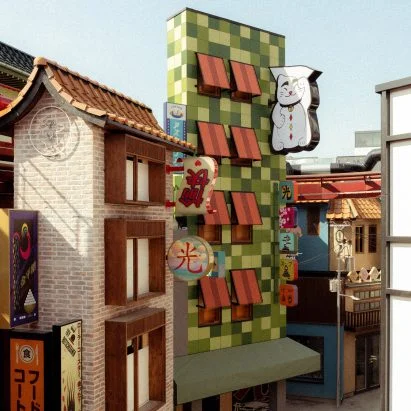
Danish amusement park Tivoli has launched Hikari, a new section that creatively draws on the essence of Japanese urban environments. Executed with a commitment to authenticity, this vibrant area features artwork by Takashi Murakami and aims to provide an immersive experience inspired by Tokyo, Kyoto, and Osaka.
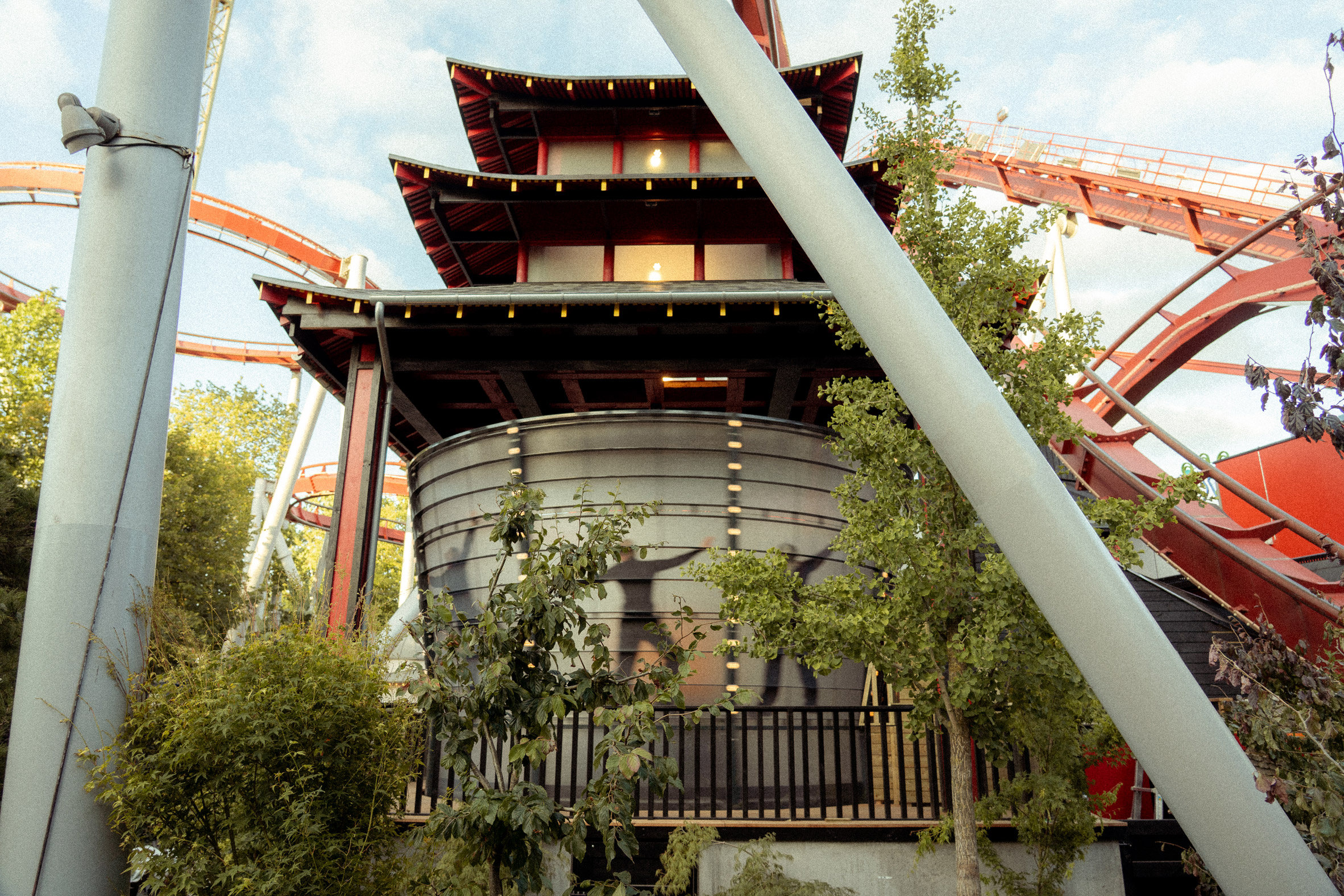
Spanning 2,000 square meters, Hikari is nestled in a section of Tivoli that already includes a Japanese garden and pagoda, making it a natural extension of the park's thematic offerings. “Tivoli has always looked to the world for inspiration,” stated CEO Susanne Mørch Koch, referencing the influences from its historically diverse attractions, including the Chinese-inspired Pantomime Theatre and the Moorish-style Nimb.
The park, known for integrating global influences into its design, sees the addition of Hikari as a significant chapter in its evolution. Koch emphasized, “Bringing the world to Copenhagen through Tivoli's unique lens has been part of our legacy for over 180 years.” With Hikari, visitors will find another layer of Japanese culture among the existing pagoda and gardens surrounding the Tivoli lake.
A Blend of Architectural Styles
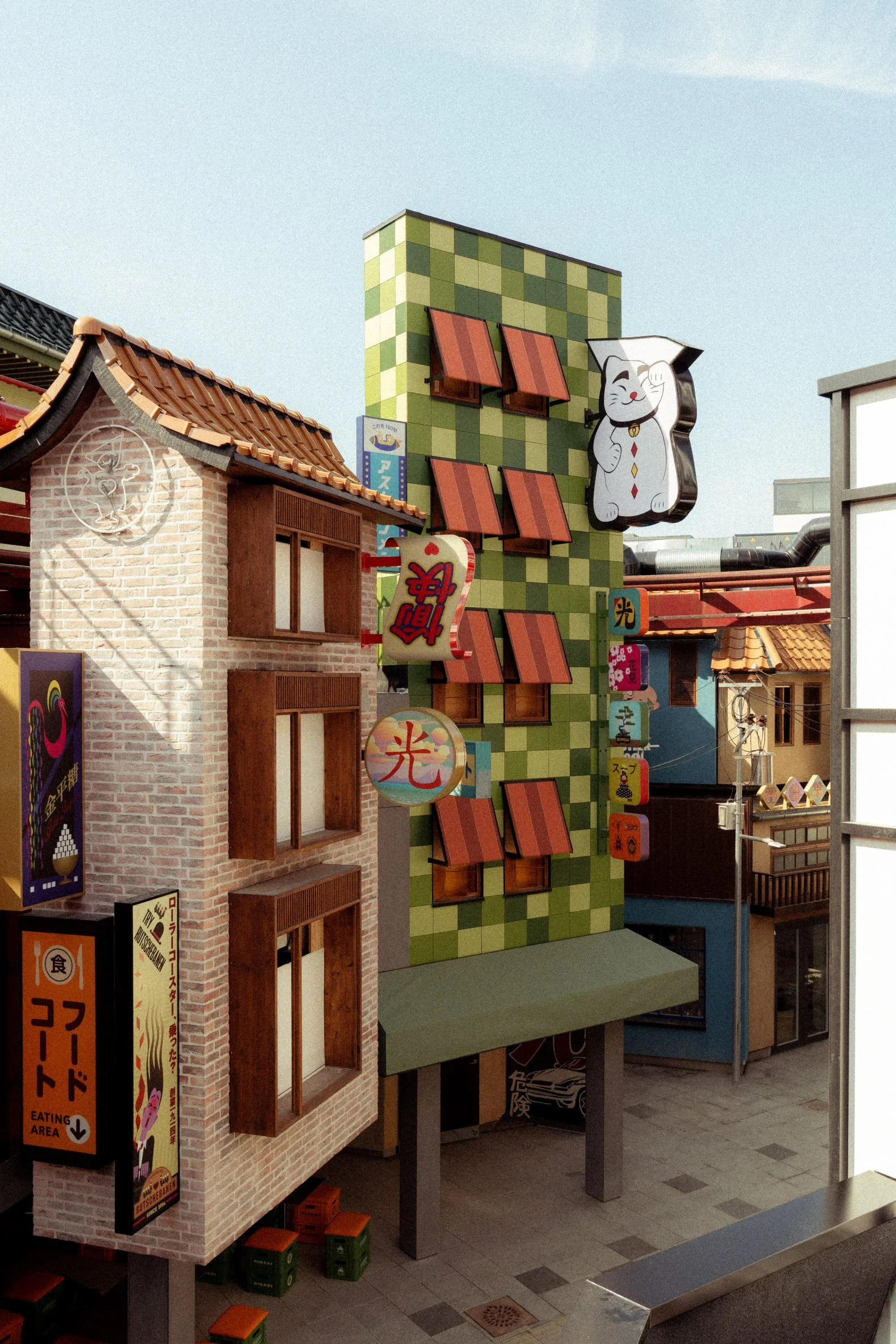
The design philosophy behind Hikari prioritized the respectful interpretation of Japanese architecture instead of a mere replication. Featuring buildings that encapsulate various periods of Japanese style, Tivoli’s design and development director Rasmus Altenborg described the intention behind the design as one of creating individual character within a cohesive visual palette. This approach reflects a broader trend in theme park design where authenticity is increasingly valued.
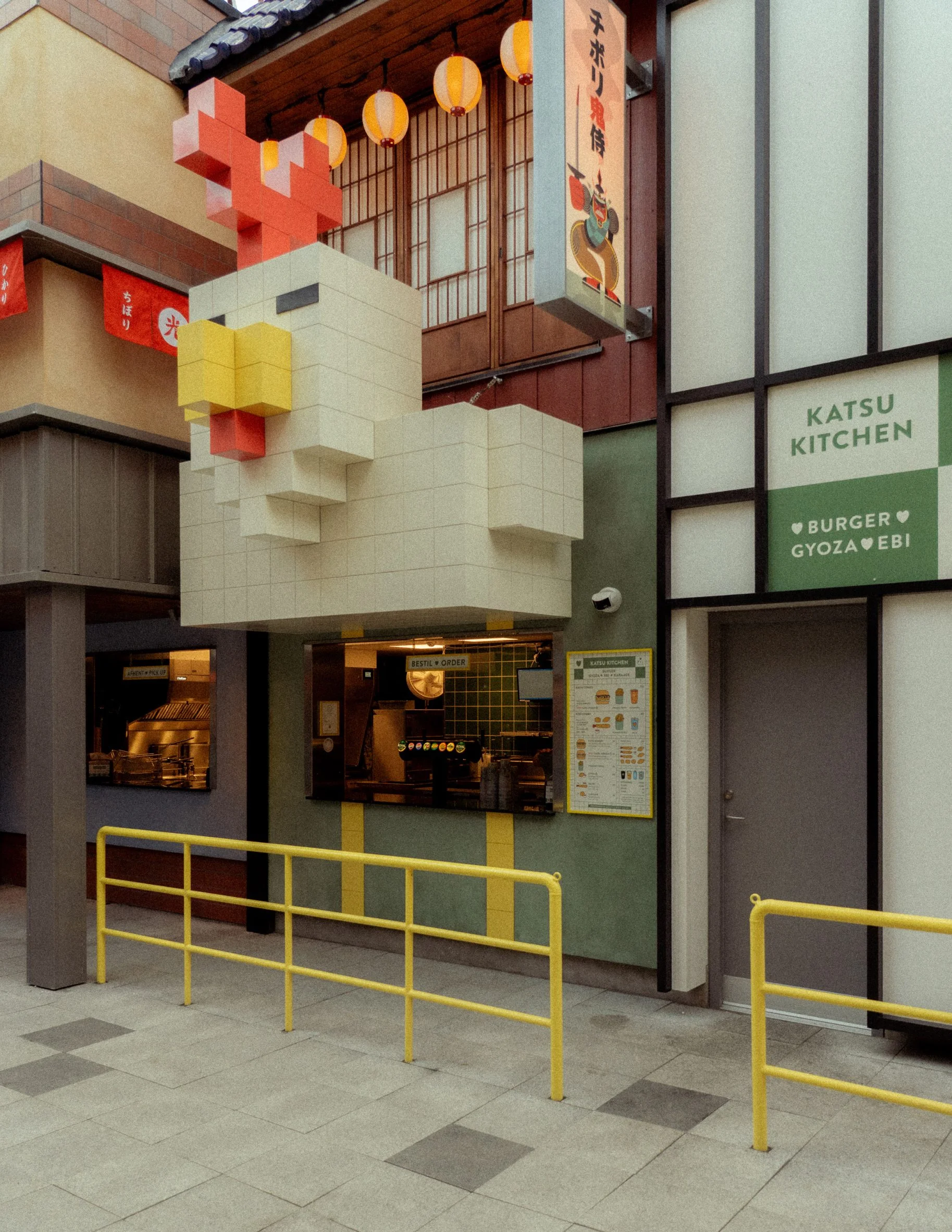
The area includes Japanese restaurants and shops, alongside a new ride named Typhoon’s Eye, designed with captivating shoji screen-inspired exteriors. Altenborg acknowledged that space constraints necessitated creative solutions, leading to a thrilling, visually impactful attraction to complement the existing rides like The Demon. Such innovation highlights how parks must often balance limited space with the desire for unique offerings that engage visitors on multiple levels.
Thoughtful Cultural Integration
The execution of Hikari involved sourcing 60 tonnes of bricks, along with wooden doors, windows, sake barrels, and kokeshi dolls directly from Japan. Such efforts reflect a genuine investment in authenticity, often overlooked in similar ventures. The design team collaborated with an advisory board composed of Danish and Danish-Japanese experts, ensuring a culturally sensitive approach in the depiction of Japanese aesthetics. This collaboration aligns with the increasing importance of cultural representation in attracting diverse audiences.
With deliberate artistic choices, Hikari features playful elements like cats, a cultural symbol recognized in Japan, catering to the park's themes of whimsy and charm. “The cat became a character we grew fond of,” Altenborg noted, highlighting how it connects with Japanese cultural narratives. This inclusion is not just an aesthetic choice; it serves as a bridge between cultures that resonates with visitors. (and this is the part most people overlook)
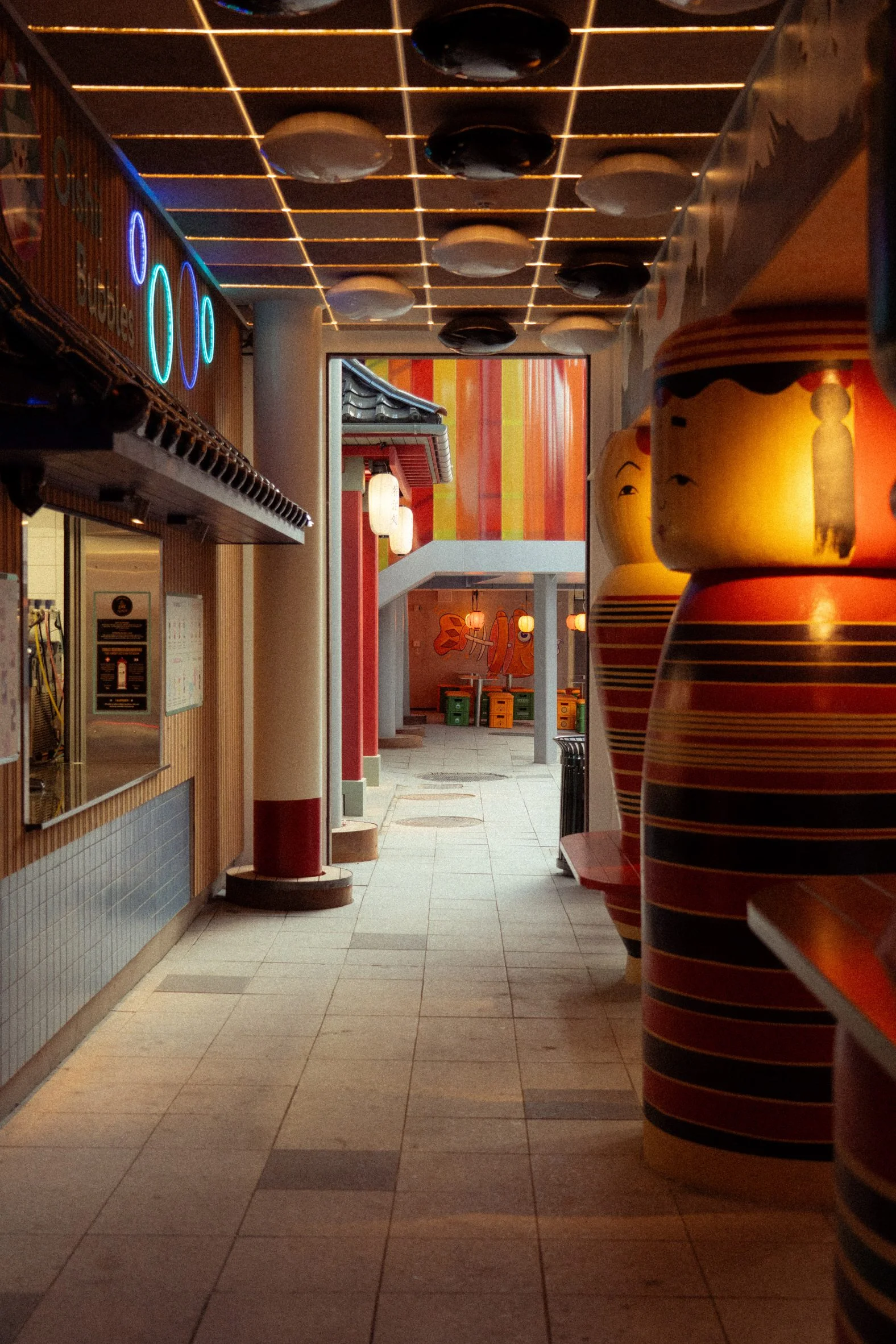
Moreover, Murakami’s artwork, depicting vibrant flowers, aligns with Tivoli’s identity as a celebrated garden destination. Koch explained, “His work merges traditional and contemporary Japanese culture, making it an ideal fit for our park.” This choice of artist exemplifies a broader trend in theme parks where collaborations with renowned artists can elevate the thematic experience while making a statement about cultural exchanges.
Long-Term Vision
While some may critique Hikari for potentially exoticizing Japanese culture, Koch reassured that the park approached the project with sensitivity and intentionality, investing years into development and collaboration. “We aimed to create Tivoli's interpretation of Japan, genuinely respectful of its roots,” she stated. This effort to avoid tokenism is essential as parks increasingly face scrutiny regarding their cultural representations.
Opening amidst a growing fascination with Japan in Denmark, Hikari represents Tivoli's most ambitious architectural investment in over two centuries. The park is banking on the enduring allure of Japanese craftsmanship and aesthetic, ensuring its appeal in the decades to come. This move speaks to how theme parks are continuously adapting their offerings to align with shifting cultural interests and tourism trends.
Complementing this ambitious undertaking, previous collaborations at Tivoli include prominent designs such as a pagoda-style hotel envisioned by BIG. The continuous synthesis of global influences in Tivoli’s offerings speaks to its dedication to enriching the visitor experience. This blend not only enhances Tivoli’s appeal as a destination but also reinforces its identity as a cultural melting pot reflective of global artistic trends.
Future Implications
The significance of Hikari extends beyond the confines of Tivoli. As more theme parks consider integration of global cultures, the success or failure of this project could set precedents. Will this approach to cultural representation encourage others in the industry to invest similarly, or will it provoke critiques that lead to a reevaluation of how cultures are presented in entertainment?
If you're working in this space, Hikari may serve as a case study. The balance between cultural appreciation and appropriation is delicate. There's a fine line between fostering curiosity about a culture and simply using it for profit without due respect.
In a broader context, Hikari reflects significant shifts in how entertainment industries prioritize authenticity. As audiences become more discerning about cultural representations, amusement parks like Tivoli must innovate while remaining mindful of their impact on societal perceptions. This approach can either strengthen communal bonds or unleash backlash if perceived as insincere. The ramifications of this project could well echo through future developments in the global amusement sector.
The photography is by Anne-Sophie Rosenvinge.
Discussion
Sign in to join the discussion.