Speakers at OPTECH 2026 in Las Vegas urged multifamily developers to start with resident experience, staff training and realistic cost estimates.
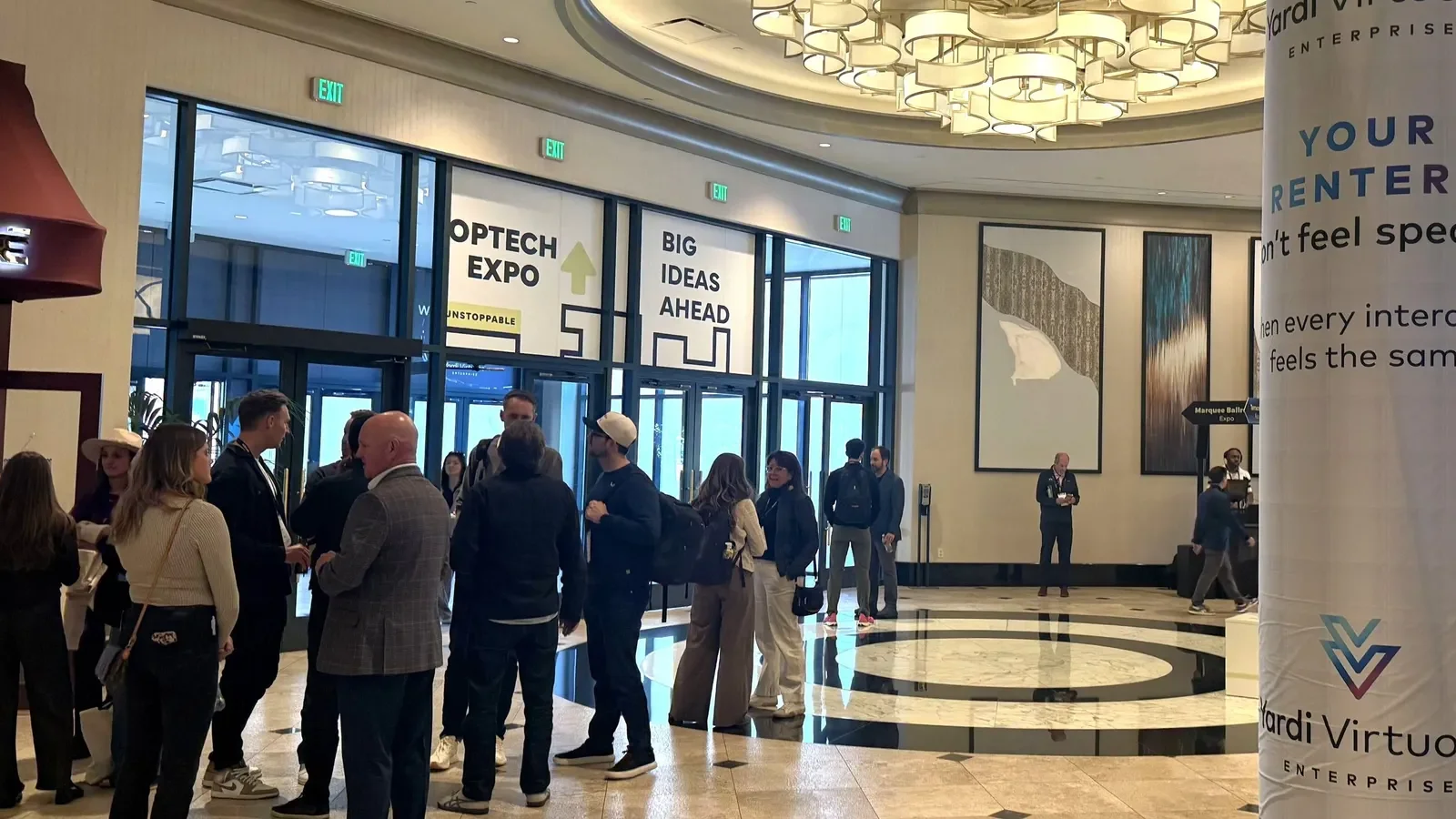
Managed Wi-Fi, smart-home features and connected access controls are easy to add to a building. Deciding which ones belong there is harder, and the speakers at OPTECH 2026 in Las Vegas kept steering the conversation back to the same question: what is the building supposed to do for the person living in it?
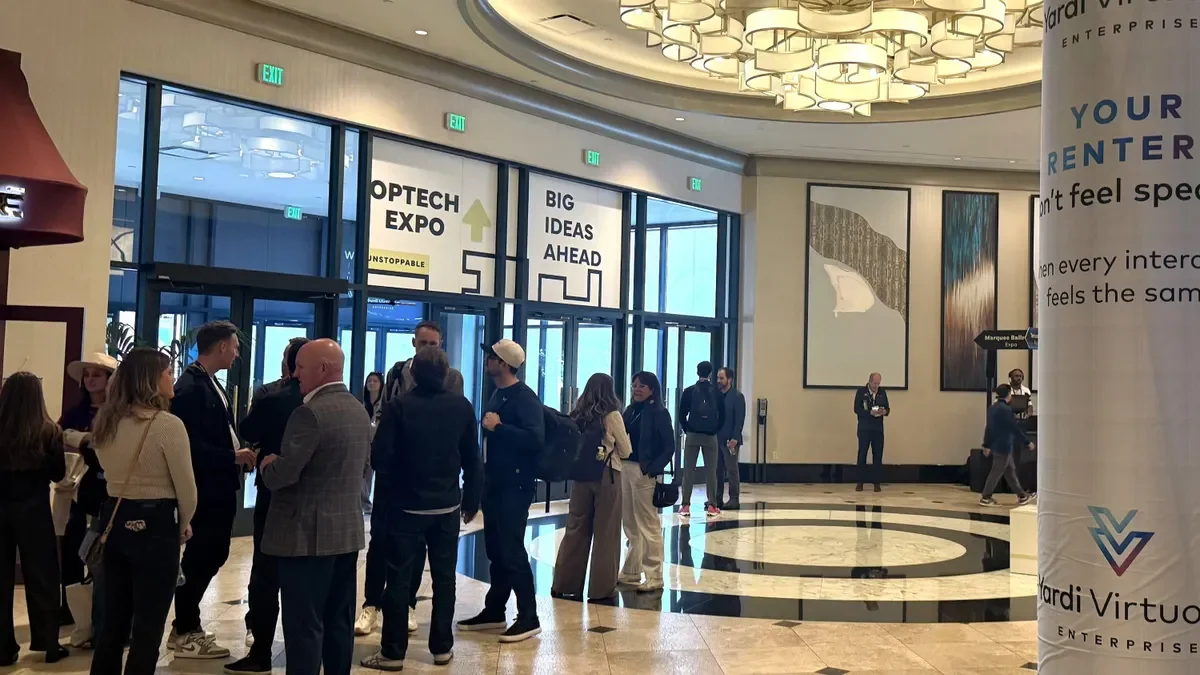
Duncan Cannon, senior director of building technology at Cortland, put it bluntly on Monday. Before anyone signs a vendor contract, he said, a team should ask what problem it's solving and how that solution reaches the resident. "In multifamily, we are trying to deliver that experience to the residents," he said.
Mike Smith, president and CEO of WhiteSpace, pushed the same point for new developments. Teams should be asking what end-user experience they want to create before they pick hardware.
Too many features can hurt the experience
More technology doesn't automatically mean a better building. Cannon called some of the add-ons flooding the market "technology glitter," and warned that developers need to think about how those pieces interact. Many point solutions don't connect to one another, and a resident can end up juggling several apps and portals that were never designed to work together.
His fix is to define the overall experience first and then select products that support it. That sequencing sounds obvious, but it's often reversed in practice, with features bought one at a time and integrated later.
Operations teams need to be in the room early
Staff education can make or break a rollout, especially in redevelopment projects where residents are already living in the building. Cannon said the operations team has to be on board before installation begins. Staff need to understand what's happening, along with the timeline, because residents will have questions and the people at the front desk need answers ready.
Lisa Moore, senior director of community technology at Mill Creek Residential Trust, described the stakes from her own work. Last year her company replaced door locks at roughly 600 units. Her community team had to keep residents informed about when technicians would be working in each unit. "The resident has to be involved in that process," she said, because nobody wants to come home after a long day to a surprise they weren't prepared for.
Training doesn't stop at installation. Smith noted that teams need regular refresher sessions on the systems to absorb staff turnover at the property. Moore went further and argued that operators should write their own documentation on top of what vendors supply. "It's never enough," she said. Vendor manuals, in her experience, aren't written at the level of detail a community team needs to work from day to day.
Budgets and materials cause their own problems
Even a well-designed plan can run into trouble on cost. Michael Doucette, vice president at Blueport, said one common mistake is pulling the budget for a new project from the numbers on an earlier one. Those figures often don't transfer. A new building might have a larger amenity space, or a different unit mix, and the comparison falls apart.
Material choices matter just as much. Patrick Bailey, co-founder and senior vice president at ICS Advanced Technologies, told the audience that teams need to examine every component closely. He pointed to older cabling that couldn't carry a signal very far, a reminder that a cheap component can undermine an entire system.
Climate is another variable that gets overlooked. Bailey said equipment requirements change from one region to another. In Arizona, technology closets often need active cooling, while in Iowa the equipment may need heating in some cases rather than cooling. A design that works in one market can need rework in another.
For developers, the takeaway from Las Vegas is that connected-building decisions start with residents and staff, then move to budgets and components. My read is that the projects that hold up best will be the ones where the operations team helped shape the plan before the first device was installed.
Discussion
Sign in to join the discussion.