Skanska Lands $1.2 Billion Contract for Data Center Construction in Southeast USA
Published
Aug 21, 2026
Views
748
Skanska has secured a $1.2 billion contract to build four data centers in the Southeast, underscoring the rising demand for digital infrastructure.
Skanska Secures Massive Data Center Project
Stockholm-based construction giant Skanska has made headlines by securing a substantial contract valued at $1.2 billion to build four data centers in the Southeast United States. This contract, inked with an undisclosed client, demonstrates confidence in Skanska’s capability to tackle large-scale projects that require both expertise and a reliable track record. Data centers are critical infrastructure components in today’s digital economy, necessitating robust construction methods to support varied tech operations.
The planned data centers will encompass approximately 808,000 square feet, covering both the structural shell and the interior space necessary for technical operations and support functions. The size of this undertaking is staggering, reflecting a broader trend where the demand for data storage and processing capabilities is rising sharply as digital services expand. As companies shift to cloud-based operations, the pressure is on construction firms to deliver highly specialized facilities in tight timelines.
Construction is set to commence in the third quarter of 2026, with a completion timeline extending to the third quarter of 2028. This gap—over two years—may seem lengthy, but it underscores the complexity involved in data center construction, which often includes meticulous planning of power needs, cooling systems, and security measures.
That said, this project not only enhances Skanska's portfolio but serves as a bellwether for the entire construction sector’s adaptation to tech-driven needs. The mounting thirst for data centers also places intense pressure on construction firms to innovate, whether that's through sustainable practices or advanced building technologies.
Amtrak Reopens Key Tunnel After Extensive Work
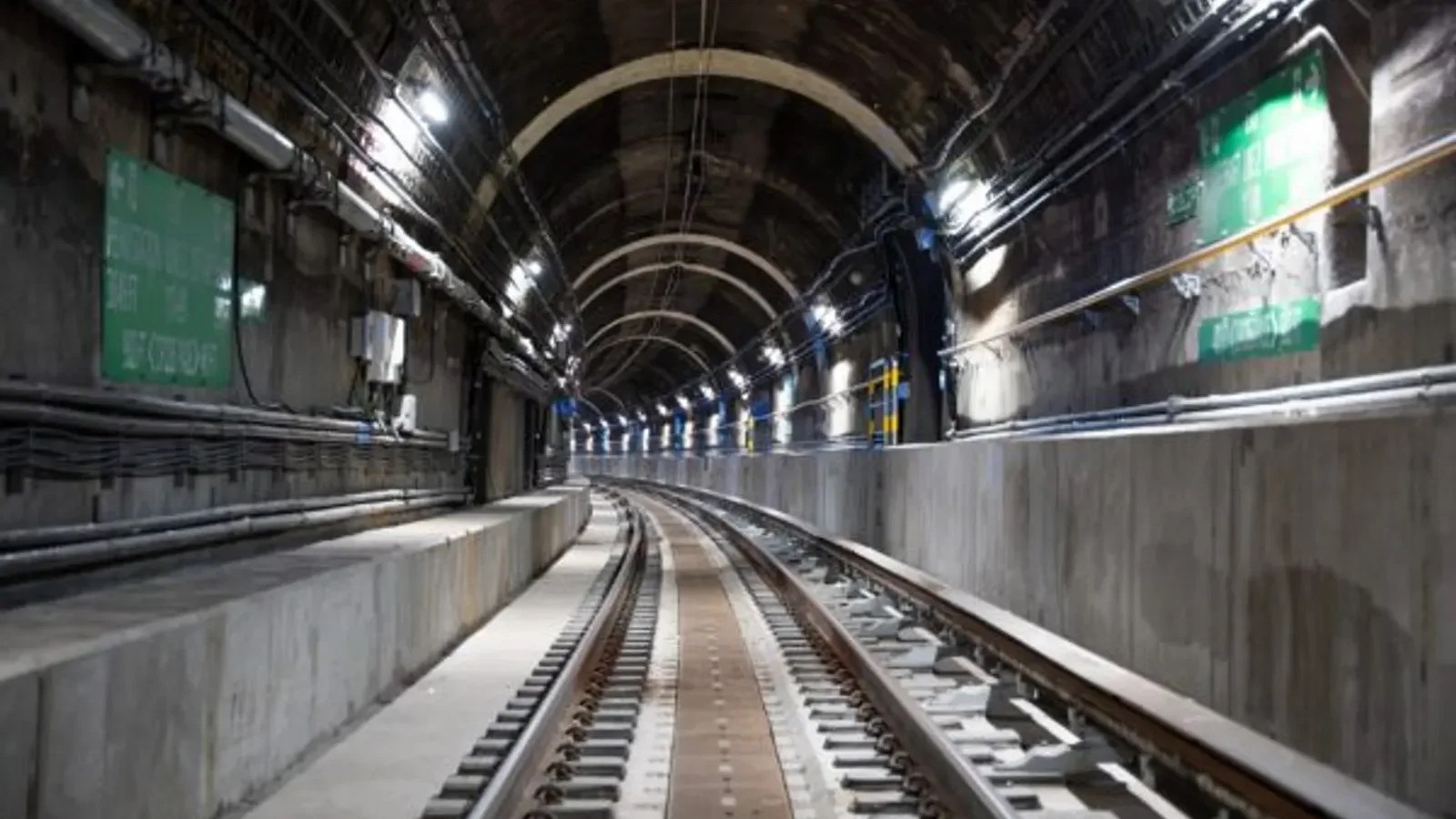
In another significant development, Amtrak has successfully completed the first phase of its $1.6 billion tunnel rehabilitation project for the East River Line 2. After unexpected delays caused by the discovery of voids during catenary installation, the revamped section has officially reopened to train services, enhancing what’s a vital link in the Northeast corridor. This tunnel is crucial for the daily commute of thousands, and its closure had significant ripple effects across service schedules.
Since the project’s initiation last summer, crews have undertaken extensive work to modernize the interior systems of the 116-year-old tunnel. Modernization efforts had to balance ongoing operational demands with the construction work, a challenging task that can often lead to costly overruns if not managed carefully. These renovations have included the removal and replacement of over 24,000 feet of rail, which itself poses logistical challenges, alongside substantial upgrades to essential infrastructure such as power and drainage systems.
The next phase of the project is slated to begin this fall, aiming for completion by the end of 2027. (And this is the part most people overlook.) The complexities involved don’t just lie in construction; they touch upon the broader transportation policies affecting funding and scheduling in a congested environment. The stakes are high—restoring this tunnel functionality ensures the reliability of one of the busiest rail corridors in the country.
Auburn University Innovates with Mass Timber Housing
Auburn University, in collaboration with the U.S. Air Force, is venturing into the development of redeployable mass timber military housing. This initiative aims to create barracks-style structures that promise faster assembly and improved performance in cold climates, targeting a fundamental need for efficient military logistics. The military has long required housing solutions that can be assembled quickly, particularly in response to crises or deployments.
Traditionally, military housing has relied heavily on light wood-frame construction, resulting in lengthy onsite assembly processes. The change in approach could represent a paradigm shift. By shifting elements of construction to prefabrication, Auburn's team hopes to significantly reduce the time it takes to assemble these necessary shelters when they are urgently needed. This project, which places an emphasis on efficiency and performance under extreme conditions, could set a new standard for military building practices.
As public and private sectors alike pivot towards more sustainable construction practices, innovations like mass timber housing can also reduce the carbon footprint associated with traditional building materials. If you're working in this space, watching this project unfold could provide valuable insights into future trends.
Leadership Changes in Major Construction Firms
The construction sector also saw notable executive changes this week. 84 Lumber, the largest privately owned building materials supplier in the U.S., announced Dustin Hauenstein as its new Chief Financial Officer. Hauenstein’s past experience includes over 25 years of financial expertise, including a stint as CFO at Designer Brands. His tenure is expected to steer the firm through an increasingly competitive and complex market.
Meanwhile, McShane Construction has appointed Jack Sommer as vice president of its Southeast Regional Office. With a rich background spanning diverse sectors such as hospitality and healthcare, Sommer is expected to drive commercial pursuits in a region struggling with labor shortages and supply chain issues. Leadership transitions like these often signal shifts in strategy, highlighting firms' responses to the pressures and challenges they face.
Additionally, Craig Bryant has stepped into the role of senior vice president for Florida at Manhattan Construction, supervising operations in the Tampa Bay and Southwest Florida areas. These leadership adjustments underscore a dynamic shift as firms position themselves to adapt to evolving market demands, which increasingly focus on sustainability and technological integration.
Future Outlook and Implications
The ongoing projects in data centers, tunnel rehabilitation, and military housing indicate a construction market responding to multiple pressures—rising demand for tech infrastructure, aging public transit systems, and the need for efficient, rapid deployment solutions. What this means for you, whether you're entrenched in real estate or procurement, is clear: adapt or be left behind.
The interplay of leadership changes and innovative projects reflects broader trends that may dictate the sector's future. Companies that embrace technology and sustainability will likely maintain a competitive edge. This is more significant than it looks; as infrastructure continues to age, investment in innovative solutions is paramount.
In essence, while the challenges are considerable, so too are the opportunities. The upcoming years could redefine what's possible in construction as it navigates these multifaceted issues.
Discussion
Sign in to join the discussion.