July saw a 25.6% rise in construction starts, highlighting sector volatility with significant disparities among different project types.
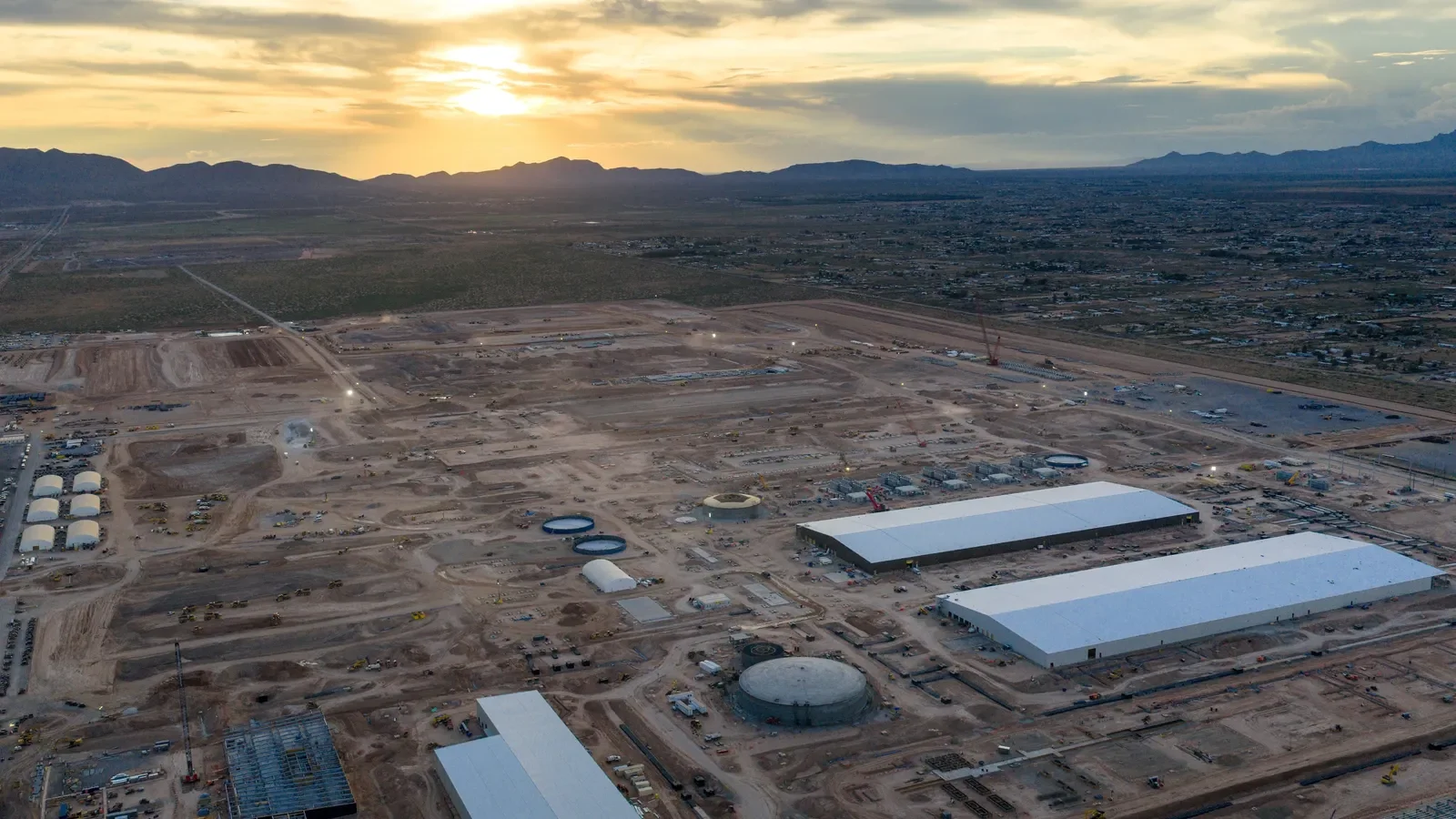
Construction Activity Surges Amid Megaproject Volatility
July saw a notable resurgence in construction starts, with a striking 25.6% increase month over month, bringing the annual rate to an adjusted $1.79 trillion, as reported by Dodge Construction Network. This surge comes on the heels of a significant 19.9% decline in June, primarily attributed to a temporary slowdown in megaproject initiations.
Understanding the Recent Surge in Construction
This surge in construction activity isn't merely a random bounce-back from a previous low. It reflects deeper dynamics within the construction market. The construction sector is often perceived as a barometer for economic health, as activity in this industry drives employment and investment across various other sectors. A spike of 25.6% is impressive, but it’s equally critical to grasp the underlying factors that contribute to this performance. The previous month's decline of nearly 20% underscores an underlying instability that can’t be ignored.
The recent increase reflects notable high-value projects coming to fruition. Yet, the recovery is uneven—some sectors are thriving while others are floundering. This duality complicates the outlook for the future. It raises the question of whether this surge signifies a genuine recovery or just a temporary rebound influenced by a few large projects. An examination of year-over-year trends could shed light on whether this uptick is sustainable or simply a fleeting moment in an otherwise tumultuous market.
Sector-Specific Insights and Volatility
The pattern highlights the unevenness within the construction sector, suggesting a fractured marketplace. Eric Gaus, chief economist at Dodge, pointed out that while certain areas like multifamily housing, data centers, and energy projects remain robust, the broader market exhibits "megaproject-driven volatility." His analysis emphasizes that while sectors like healthcare and hospitality faced steep declines—59.7% and 51.5% respectively—overall nonresidential construction saw a significant increase of 57.7% in July.
Understanding these sector-specific performances is key. The robust growth in data centers and manufacturing construction is likely tied to evolving market demands, particularly driven by the tech sector and the growing focus on automation. But let’s not overlook the staggering drops in healthcare and hospitality projects. This raises eyebrows. Why are these sectors suffering so dramatically? The downturn could be indicative of longer-term shifts in consumer behavior, particularly in a post-pandemic world where healthcare delivery methods are changing and the hospitality industry is still grappling with a shift in travel patterns.
The Role of Megaprojects
This rebound is largely due to several high-value commences that skew the perception of stability across the market, with data centers jumping by 107.9% and manufacturing construction skyrocketing by an astounding 277.8%. If you're working in this space, this means that attention must be paid to the high-impact megaprojects that can disproportionately affect overall statistics. These are the projects that can drive up the numbers but also pose risks of volatility when they come and go.
This brings to light a crucial point: while megaprojects can fuel impressive short-term growth and draw attention, they can also create instability if they’re the primary drivers of construction activity. If the broader market remains dependent on few large projects, it’s setting itself up for future tremors, especially when those projects falter or get delayed. (and this is the part most people overlook) The resilience of other sectors speaks volumes about the overall health of the construction market.
Future Outlook and Implications
The takeaway here is that while the headline numbers paint an optimistic picture, they mask critical disparities. If you're involved in these sectors, the key moving forward will be to monitor not just the megaprojects but also the underlying trends in more vulnerable verticals, which could indicate future challenges ahead. For instance, if healthcare construction continues to plummet, it raises concerns about the capacity and preparedness of facilities to handle future healthcare demands.
This volatility encourages stakeholders to diversify their portfolio across sectors. It might be prudent to invest in more stable, lower-risk projects while remaining aware of the risk that comes with pursuing megaprojects. Those looking to secure their interests in the construction industry have to be prepared for potential shifts that could occur as market dynamics continue to evolve. The trends over the next few months will reveal a lot about the sustainability of this rebound.
What does this all mean? In simple terms, if you’re in construction, you need to keep your finger on the pulse of sector performance, seeking out opportunities beyond just the high-profile initiatives. A wider lens will help identify not only where growth opportunities are, but also where vulnerabilities lie, ensuring you're not caught off guard by sudden downturns in any particular sector.
Discussion
Sign in to join the discussion.