Kuba Woźniczka's Studzienno 27 comprises four eco-friendly cabins in the Stołowe Mountains, prioritizing natural preservation and design harmony.
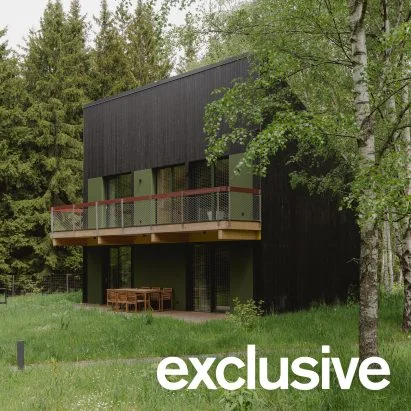
Architect Kuba Woźniczka has recently unveiled Studzienno 27, a collection of four holiday cabins situated within the picturesque Stołowe Mountains National Park in Poland. This endeavor showcases a commitment to environmental consciousness by intentionally minimizing the project's footprint.
Integration with Nature
Woźniczka, a co-founder of KameleonLab, chose to leave around 85 percent of the site untouched, utilizing existing clearings and meadows for construction. His approach stands in stark contrast to many modern developments that prioritize density and economic potential over environmental harmony. "From the outset, the ambition was not to maximize the site's development potential, but to create a place that would coexist with the surrounding landscape instead of dominating it," he explained. This philosophy reflects a growing trend among architects to prioritize sustainability, echoing broader movements in both architecture and urban planning that lean toward ecological responsibility.
Design Philosophy: Less is More
The design brief emphasized restraint and respect for the natural landscape over imposing architectural styles. Notably, local planning regulations would have permitted denser construction; however, Woźniczka made a conscious choice to preserve the original topography and existing vegetation. In a time when many projects disregard environmental implications, this decision is striking. Imagine a project where not a single tree was harmed during development. Indeed, this project stands as a testament to what conscientious design looks like.
Cabin Specifications and Layout
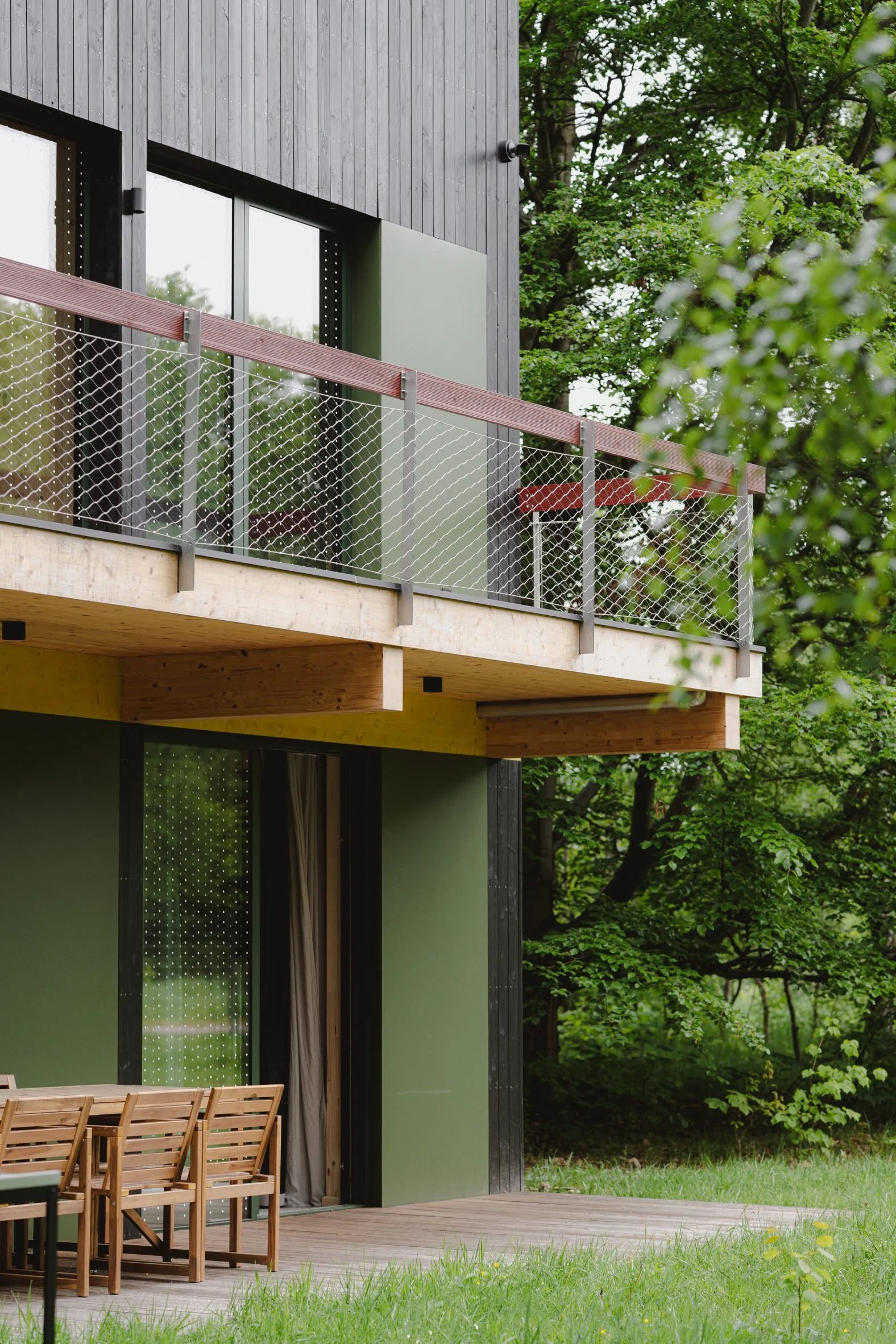
Each cabin, measuring about 85 square meters, consists of two levels. The ground floor houses a living area, kitchen, and dining space, complemented by a bedroom and bathroom. The upper level features an additional bedroom and bathroom, creating a well-structured living space for families or groups. The design harnesses cross-laminated timber, a material that not only enhances the aesthetic appeal but also optimizes insulation and sustainability. You'll find large windows that frame serene views from balconies and decked patios, inviting nature into the interior space.
Interiors by Madde Studio
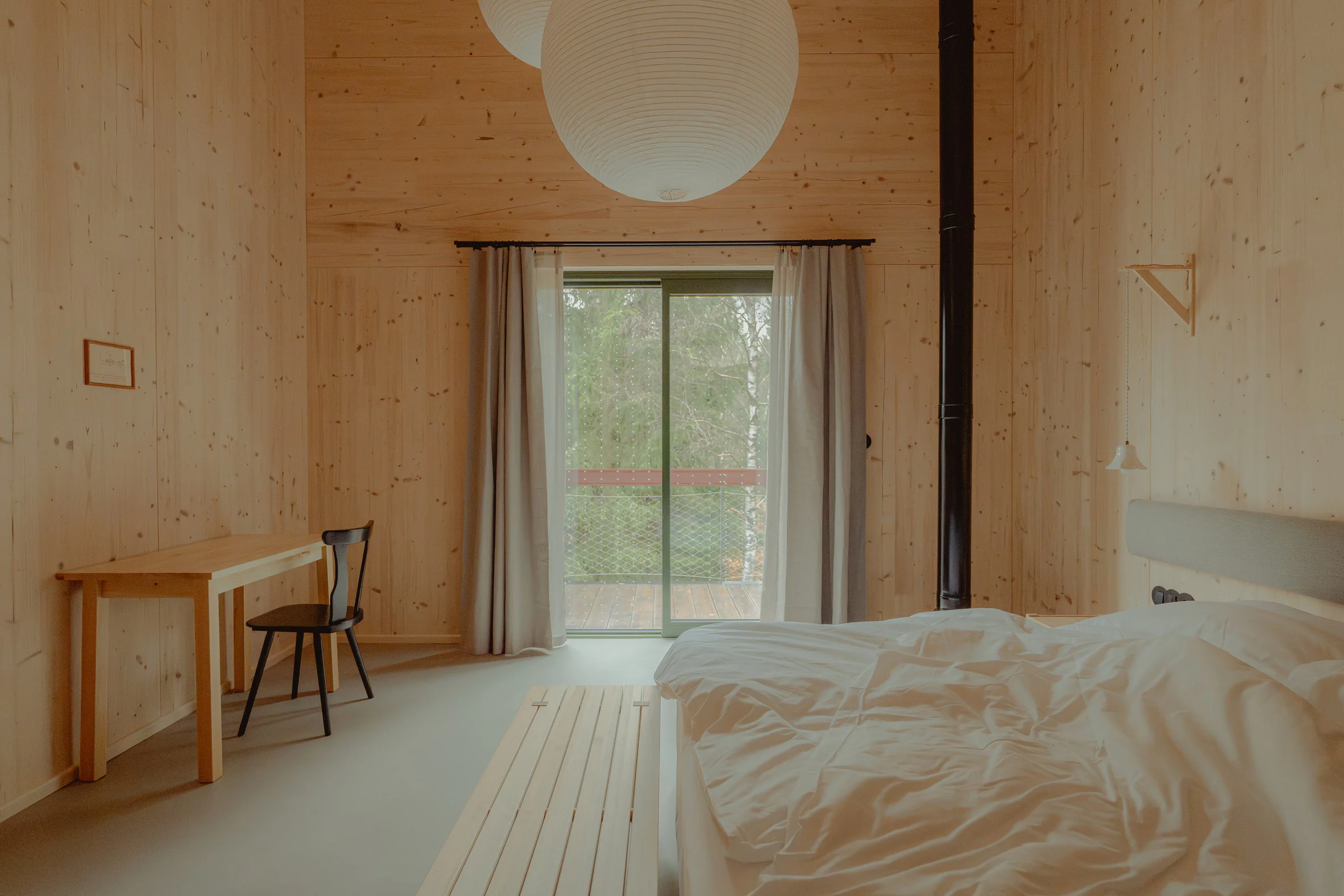
Interior designs by Wrocław-based Madde Studio aim for a calm, immersive experience that respects the surrounding environment. They incorporate exposed timber and minimalist pastel tones, which provide a soothing backdrop against nature’s palette. It's important to highlight the large windows framed in dark green metal, equipped with bird-safe markings to minimize the risk of collisions—a small yet significant detail that reflects a thoughtful approach to wildlife preservation.
Madde Studio advocates for a design philosophy that embraces the natural aging of timber, allowing the structures to evolve alongside their environment. "Furnishings blend natural materials with carefully chosen vintage pieces, giving the space a sense of history and character," they elaborated. This is where the project really stands out. The idea of integrating vintage furnishings speaks to a sense of continuity, inviting guests to reflect on the historic and cultural context of their surroundings.
Regional Alternatives
For those exploring holiday options in Poland, additional regional retreats showcase various architectural styles and philosophies. Mistovia offers cottages in the scenic Silesian Beskids, while HOLA Design’s lakeside gabled cottage appeals to those seeking a different aesthetic experience. This proliferation of accommodation options signals a robust interest in eco-conscious tourism, indicating that travelers are becoming increasingly selective, seeking out spaces that resonate with their own values.
Implications and Future Outlook
The thoughtfulness embedded in the Studzienno 27 project hints at a larger shift within the architecture and real estate sectors. With environmental concerns taking center stage, we might see more developers following this blueprint, focusing on preservation rather than exploitation. What this means for you, whether you're involved in design or simply seeking a holiday getaway, is that the new wave of developments will likely prioritize sustainability.
However, this trend also raises questions. Can such conscientious design achieve economic viability? Many believe it can, but that’s a debate for another time. As we move into a future increasingly marked by climate anxiety, projects like Studzienno 27 could serve as models of how to harmonize human need with nature’s rights. (And this is the part most people overlook; not all designs need to be flashy to be impactful.)
The photography for this project is credited to Maja Bułkowska.
Discussion
Sign in to join the discussion.