Shahar Livne's "The Devil's Milk" collection highlights rubber's complex history through innovative furniture designs that confront its colonial past.
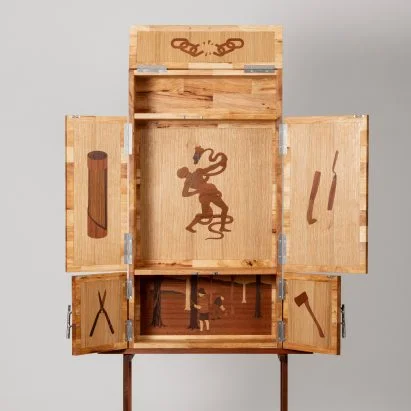
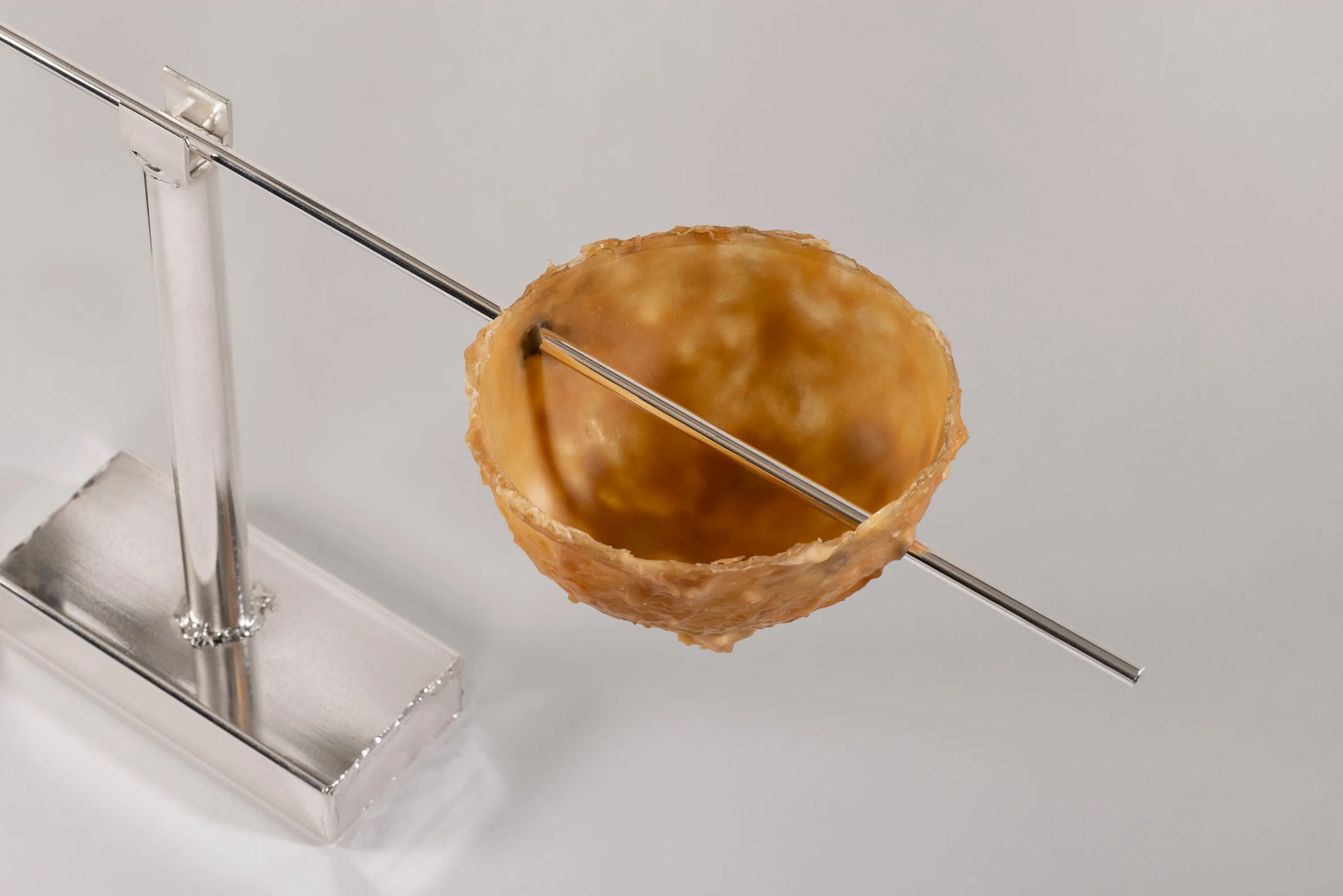
Designer Shahar Livne presents "The Devil's Milk," a compelling series that examines the troubled history and material significance of rubber. This collection includes a scale, a cabinet, and a bench, all crafted from various types of rubber to illustrate the darker narratives behind this ubiquitous material. Its aesthetics are overshadowed by an undercurrent of discomfort, a reflection of the complex web of histories tied to rubber production.
Unpacking the Socio-Political Undertones
Livne explains that the project emerged from her desire to probe the socio-political implications of rubber production. This is a material that, while common in our day-to-day lives, carries a legacy of exploitation and violence that isn’t frequently addressed. “Rubber extraction has historically been marked by violence and abuse, and yet, this background is often forgotten in modern contexts,” she emphasizes. The suggestion here is pointed: the significance of rubber extends far beyond its functionality, serving as a lens through which to view exploitative labor practices and environmental degradation.
If you're working in this space, understanding the broader implications of what goes into the materials we use could be pivotal. Livne's work becomes not just an art form, but a call to awareness about the complexities behind simple materials. The narratives of rubber extend across continents and cultures, beckoning a reassessment of its value—both monetary and ethical. “What does it mean to engage with a material that has caused so much suffering?” she prompts, pushing the audience to reflect deeply on their relationship with the products of this troubled industry.
Colonial Narratives Embedded in Design
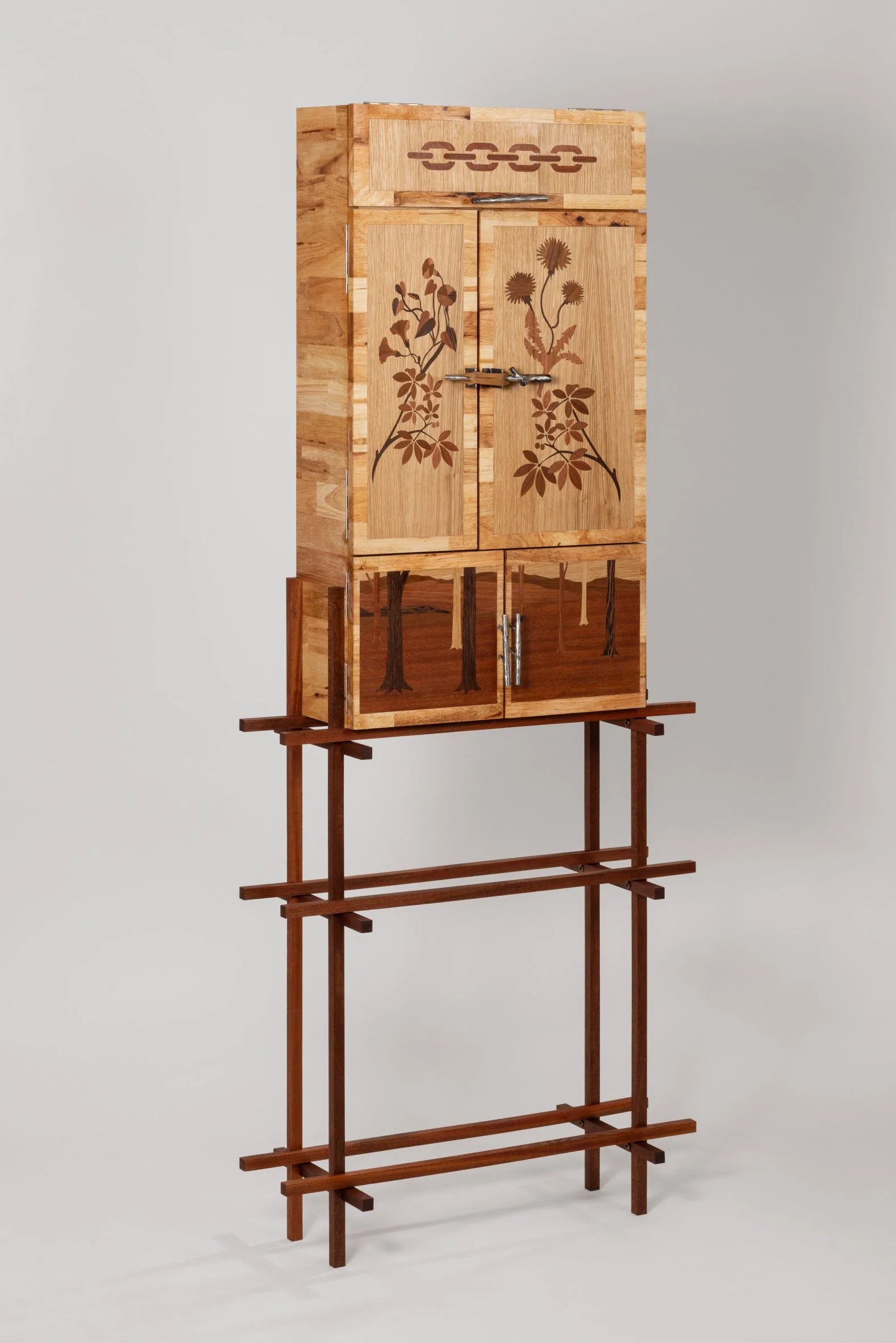
The cabinet stands out as a critical component of the collection. Livne integrated wood from the bark of the rubber tree Heave Brislius, characterized by its affordability and imperfections. “This piece symbolizes the scars of history, a reminder of the countries from which rubber is sourced,” she explains. Here, each inlay suggests not just a geographical identity, but an evocative narrative of colonialism, drawing parallels between resource extraction and exploitation. This history is not just an academic concern; it has immediate implications for contemporary socio-political dynamics, particularly in regions where rubber becomes synonymous with both wealth and suffering.
"Embedding these woods in the cabinet serves to 'colonize' the rubber wood,” Livne elaborates, intertwining the narrative of exploitation with a celebration of natural materials. In a sense, she is reclaiming the material while simultaneously confronting its troubling origins. This duality highlights the ethical complexities of design, urging viewers to consider how art can provoke dialogue around historical injustices. Such a confrontation challenges us to rethink our consumption and appreciation for materials that have often been commodified at great human and environmental cost.
Challenging Western Perceptions with Cultural Context
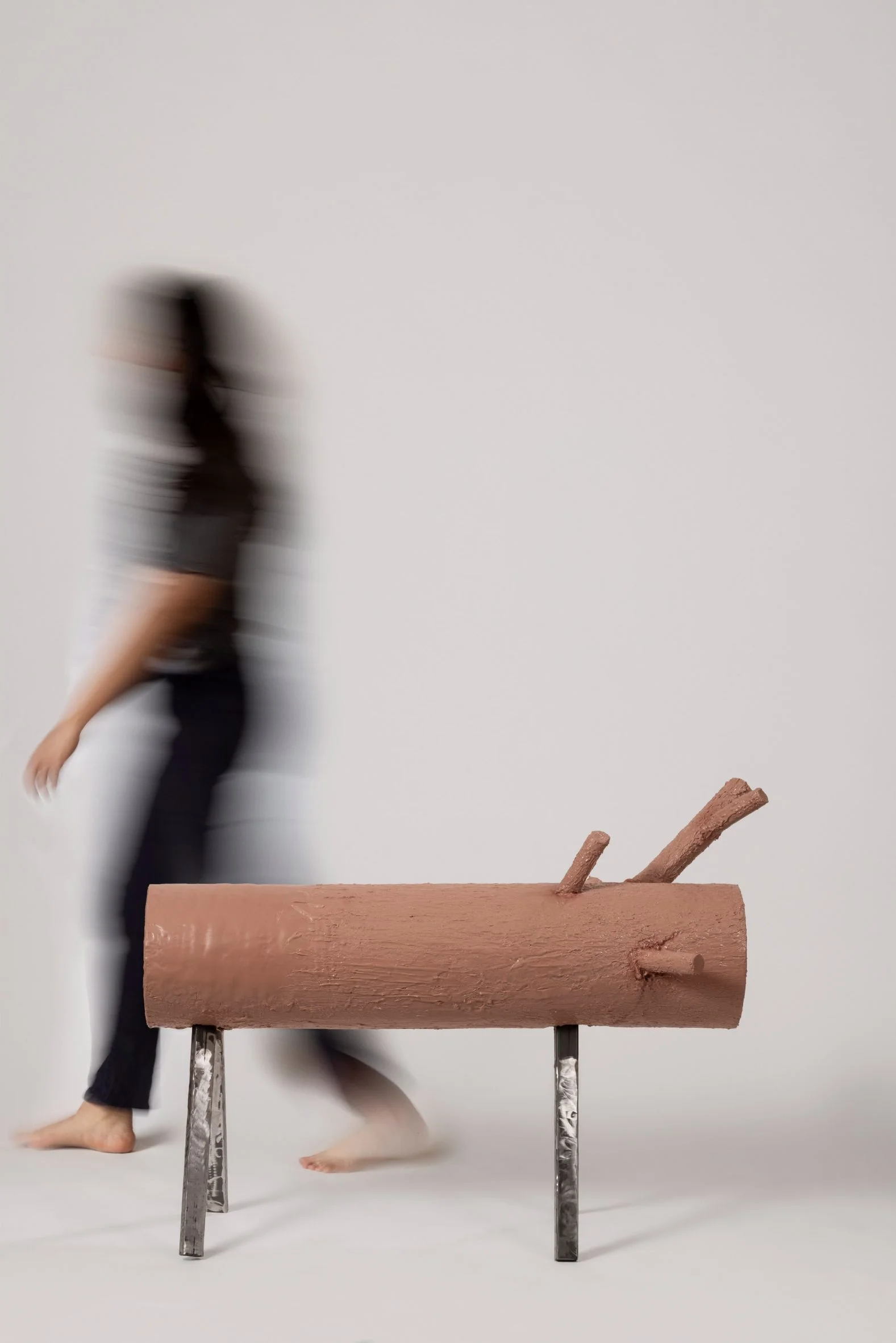
Livne’s bench, a striking piece mimicking human skin through synthetic materials, questions typical representations of nature in Western contexts. "This piece calls into question the colonial 'plant blindness' that treats nature as inferior,” she states. The term "plant blindness" refers to a broader societal tendency to overlook the intrinsic value of plant life, particularly in industrial contexts. Livne's approach draws attention to the spiritual connections people maintain with forests in regions where rubber trees naturally thrive, elevating these relationships beyond mere economic transactions.
Such reflections underscore a deeper cultural practice, wherein the use of materials is connected to heritage, identity, and respect for the environment. This isn’t simply an artistic endeavor; it’s a reclamation of cultural significance and an invitation to reframe how we view natural resources and their stewards. (and this is the part most people overlook) In acknowledging the interconnections between humans and the environment, Livne urges a shift away from exploitation toward sustainability and respect.
The Economic Weight of Rubber and its Consequences
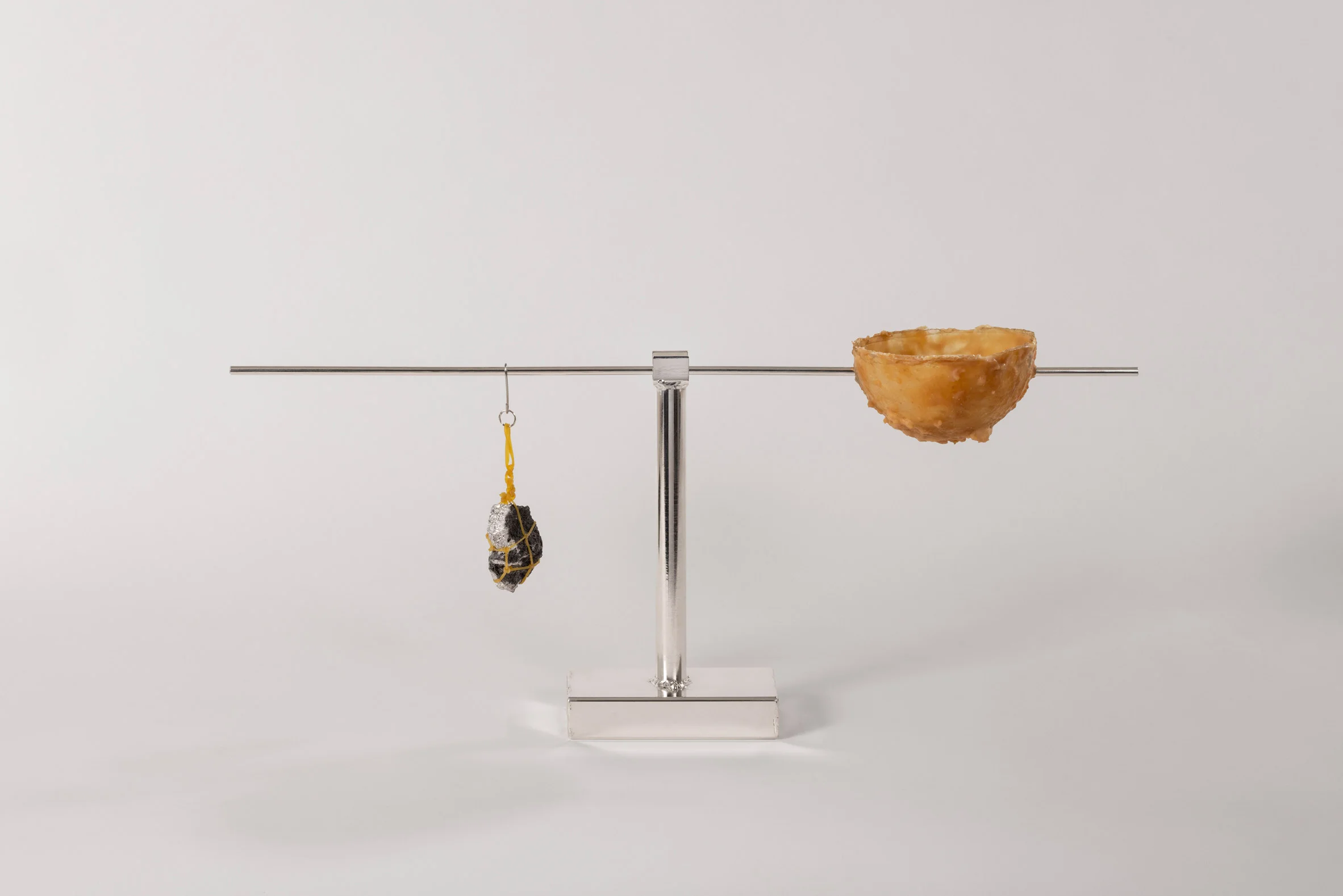
The scale serves as a poignant reminder of rubber's economic implications, with Livne noting its historical comparison to precious metals during the rubber boom of the 19th and 20th centuries. "This wealth was built on severe exploitation,” she asserts, illustrating how strict labor quotas enforced via scales led to dire consequences for indigenous communities. The scale becomes a valuable artifact of oppression; it embodies both the economic ambitions tied to rubber and the human costs incurred in that pursuit.
Future Implications and Contextual Understanding
The project derives its title from John Tully's book, "The Devil's Milk: A Social History of Rubber," which provided Livne with extensive insight during her research. This literary connection deepens the series' significance, as Tully’s work sheds light on the complexities surrounding rubber’s socio-economic narrative. Collaborative efforts with curator Yev Kravt and design studio Droog promise to bring even more attention to these themes, exploring the intersection of materiality, history, and sustainability.
Livne was recognized as the emerging designer of the year at Dezeen Awards 2020, underscoring her commitment to fusing art and environmental consciousness. Her previous works, which incorporate sustainable materials, reinforce her ethos in design—one that emphasizes social awareness and responsibility. Here’s the thing: her focus on rubber isn’t just an academic exploration; it’s a call to action for designers, consumers, and policymakers alike to reconsider the ethics of material use.
The photography is by Barbara Medo.
Discussion
Sign in to join the discussion.