The new exhibition in Shanghai reflects Lina Bo Bardi's design ethos, featuring a replica of her iconic indoor pond and interactive installations.
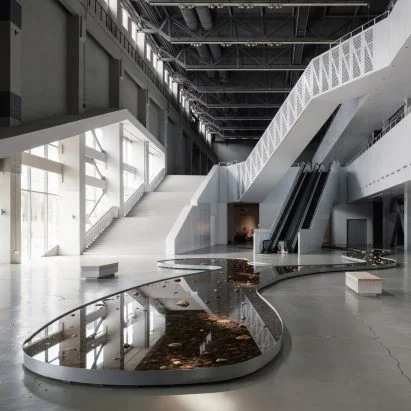
In a remarkable showcase of Lina Bo Bardi's influential architectural style, the exhibition titled The Poetics of Survival has launched at the Power Station of Art in Shanghai. Curated by Open Architecture, this exhibition stands as the first major presentation of Bo Bardi's work in China. It symbolizes not only a celebration of her legacy but also a significant cultural exchange that reflects the growing appreciation for global architectural narratives.
Curated Integration of Design
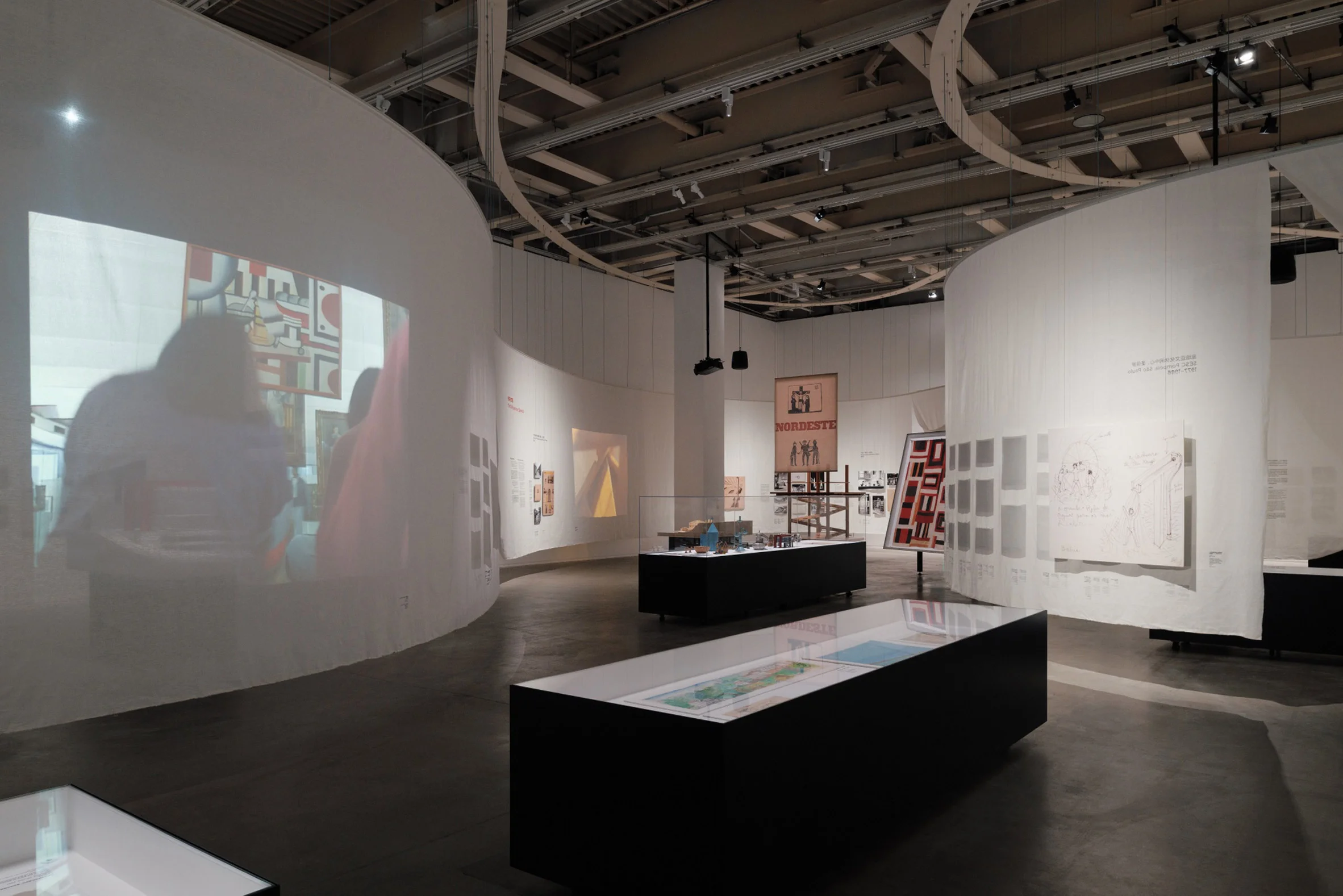
The heart of the exhibition features a singular continuous curve, conceptualized using hanging linen curtains that envelop specially designed display cases crafted by Open Architecture. This flowing design imbues the space with a sense of dynamism and invites visitors to engage more fully with the exhibits. Such an integrative approach is reflective of Bo Bardi's belief in the relationship between architecture and its environment. By creating a fluid space that encourages movement, the exhibition becomes not just a display of artifacts but a living experience, pushing viewers to reconsider their own interactions with architecture.
Reimagining the Indoor Pond
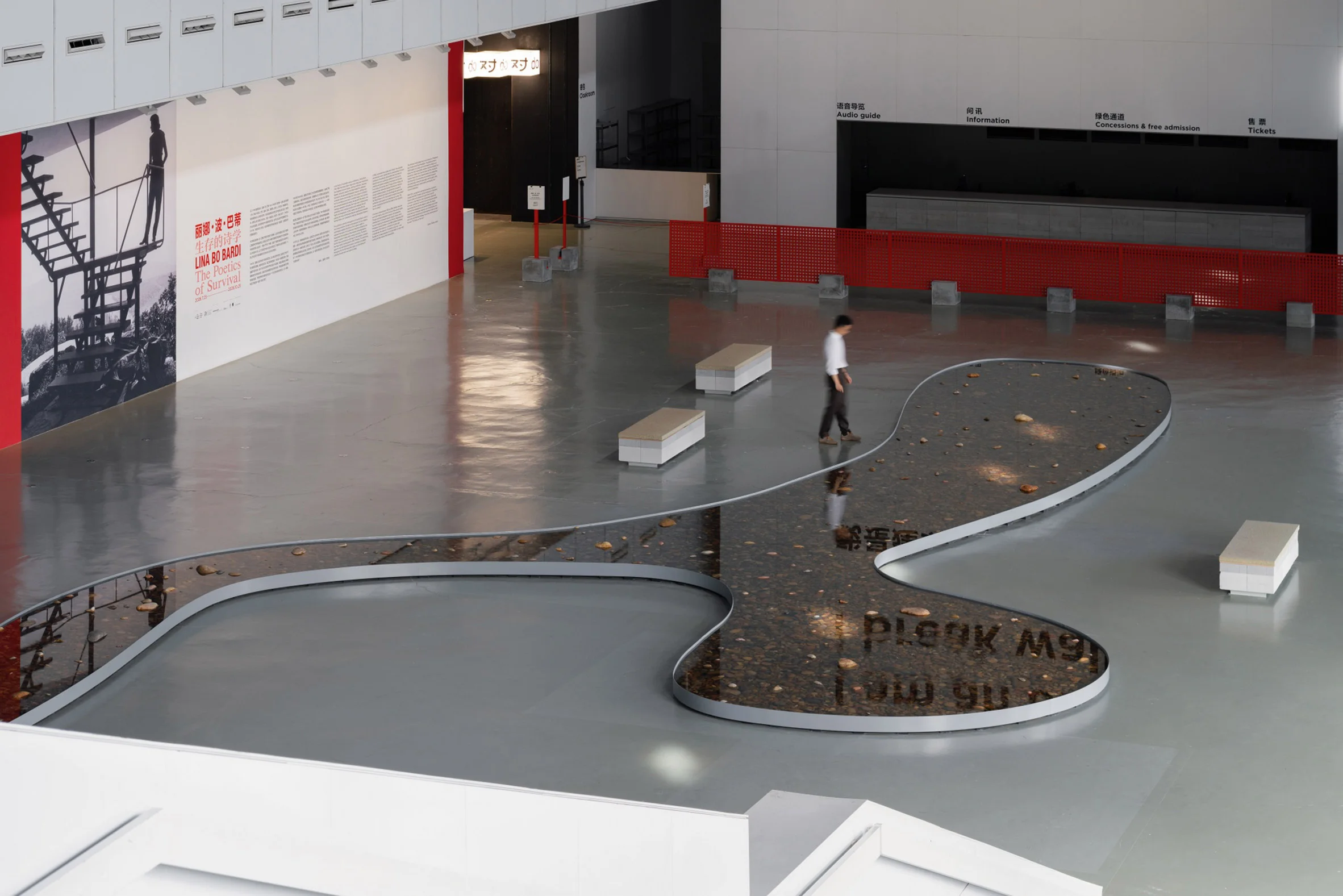
A striking element of the exhibition is a replica of the indoor pond originally designed by Bo Bardi for the SESC Pompéia community center in 1977. Unlike the original, which is deeply embedded in the ground, this version appears to hover just above the flooring at PSA, creating an ethereal visual effect. Open Architecture explains that the pond is meant to symbolize the São Francisco River, providing a direct connection to Brazil's natural heritage. This reinterpretation is significant; it invites contemplation about nature's role in architectural spaces and how tradition can be reimagined to fit contemporary contexts.
Dynamic Exhibition Spaces
Open Architecture has created "islands" within the main exhibition areas, allowing for the display of architectural models alongside various multimedia presentations such as sketches, photographs, and videos spanning nine distinct spaces. Large-scale projections dance across the linen curtains, augmenting the atmosphere and engaging visitors visually. This multifaceted approach doesn’t just honor Bo Bardi’s work; it places her within a broader dialogue of ideas, inviting viewers to see how her influences extend beyond Brazil and resonate globally. By showcasing different formats, the design seeks to attract varied audiences, from seasoned architects to casual art enthusiasts.
Engagement Through Design
The design team also crafted furniture, including a bench made from wooden beams and a glass and latticed wood divider, which contributes to the narrative fabric of the exhibition. According to Open Architecture, the ambiance not only showcases Bo Bardi’s architectural prowess but also immerses the audience in the context from which her work emerged. This notion of context is paramount; Bo Bardi’s designs are not isolated creations but are deeply tied to sociocultural themes, and this exhibition makes that connection palpable. For visitors unfamiliar with her work, the furniture is a tactile invitation to engage directly with the ethos she championed.
Exhibition Details
The Poetics of Survival is on view until October 25, 2026, at The Power Station of Art, located at 678 Miaojiang Road, Huangpu District, Shanghai, China 200011. This exhibit promises a profound experience that encapsulates the essence of Brazilian culture through the lens of Bo Bardi’s visionary contributions. The duration of the exhibition allows ample time for various audiences to engage, making it a potential focal point for discussions on architecture and cultural identity.
Implications and Future Outlook
This exhibition isn't just a tribute to Bo Bardi; it also reflects a growing trend in the architectural world to reassess and reintroduce influential figures whose works have historically been overlooked, especially from non-Western contexts. What this means for you, if you're working in this space, is that there could be increasing opportunities to explore similar showcases that promote cross-cultural dialogues. As cities like Shanghai continue to develop their art scenes, the conversation around architecture as an interdisciplinary field will likely gain more traction. And yet, while the exhibition spotlights one woman's legacy, it also throws into relief the broader narratives of inclusivity in architecture that still need to be addressed.
For those interested in exploring more about architecture and design events worldwide, refer to the Dezeen Events Guide.
Photography credit: Chen Hao, courtesy of Open Architecture.
Discussion
Sign in to join the discussion.