With a longer-than-usual pollen season expected, homeowners can adopt specific strategies to mitigate indoor allergens this fall.

As we transition from summer to fall, allergy sufferers should brace themselves for an extended pollen season this year. According to AccuWeather's recent forecast, weed pollen levels are projected to remain unusually high throughout October in various parts of the country. This trend can significantly affect quality of life for many individuals, making it imperative to stay well-informed and prepared.
Implications for Allergy Sufferers
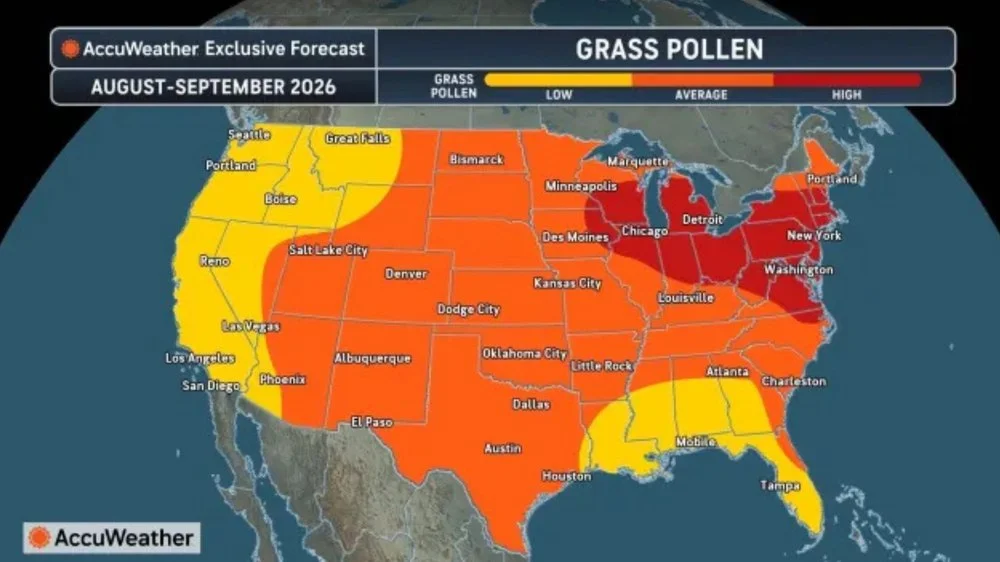
The Southeast and the southern Rockies are set to experience the most significant increases, with cities such as Raleigh, NC; Nashville, TN; Atlanta, GA; Denver, CO; and Albuquerque, NM highlighted as hotspots. The predicament is especially concerning for those with pre-existing respiratory conditions or heightened sensitivities to allergens. High pollen counts can exacerbate asthma and trigger severe allergic reactions, underscoring the need for increased vigilance among residents in these areas.
Meanwhile, regions in the East and Midwest—including New York City, Philadelphia, Detroit, and Chicago—may also see persistent grass pollen due to warm, humid weather. This is more significant than it looks; the typical cycle of seasonal relief may not occur, forcing allergy sufferers to find new ways to cope with their symptoms.
Indoor Air Quality: A Growing Concern
For homeowners, this means paying closer attention to indoor air quality. "Once pollen infiltrates a home, it can circulate through the HVAC system, particularly if the filtration is inadequate," states Brian White, president of Accurate Heating, Cooling, and Plumbing in Lancaster, OH. The seriousness of this issue should not be underestimated. Ineffective air filtration not only affects allergic individuals, but also the general health of all residents. Dust and allergens can build up over time, leading to respiratory problems, fatigue, and decreased overall comfort, affecting daily life significantly.
Strategies to Allergy-Proof Your Home
Dr. Clifford W. Bassett, founder of Allergy and Asthma Care of New York, emphasizes the need for proactive measures. "Indoor air can be two to five times more polluted than outdoor air, especially when heating systems kick in. It's essential to control your indoor environment," he advises. To effectively manage this, there are several practical steps homeowners can take to mitigate their pollen exposure.
Limit Pollen Entry
To curb pollen infiltration, homeowners should close windows, run the air conditioning, and shower or change clothes immediately upon returning home. Dr. Bassett also warns against line-drying laundry outside on high pollen days, as this can inadvertently bring pollen inside. It's amazing how the simplest actions can create noticeable improvements in your indoor environment. If you're working in this space, you'll quickly realize that every small precaution counts.
Use HEPA Filters
Installing HEPA filters that fit your HVAC system is key, according to White. "These filters are designed to capture harmful air particles and can last between six to twelve months." Regularly checking and replacing filters as per the manufacturer's recommendations is crucial; a dirty filter can exacerbate pollen problems. That's the kind of detail that can easily be overlooked but has a significant impact on air quality. Adequate filtration is not just a matter of convenience, it’s integral to maintaining a healthy living space.
Consider an Air Purifier
For added protection, investing in an air purifier can be beneficial. "A whole-house air purifier works effectively with the HVAC system, filtering air throughout the home," remarks White. Portable HEPA purifiers in bedrooms are also recommended since they effectively trap small particles, including pollen, especially those bearing the Asthma & Allergy Certified® mark. The added cost might seem daunting at first, but think of it as an investment in your health—one that can improve your comfort during peak allergy seasons.
Regular Duct Maintenance
Inspecting ductwork is essential; leaks can draw in unwanted dust and pollen from attics and crawl spaces. Routine professional maintenance of both ductwork and your HVAC system is advisable. This step is often neglected, yet neglecting it could mean inviting more allergens into your home. Just a few minutes spent on regular upkeep can go a long way in creating a more health-conscious living space.
Conscious Landscaping Choices
Landscape planning can significantly impact indoor and outdoor pollen levels. Expert Dr. Matt Hershcovitch advises regular mowing, choosing suitable plants such as hydrangeas and roses, and timely weed control to reduce pollen presence. Those choices can influence not just the aesthetics of your yard, but also the quality of life for anyone prone to allergies. The connection between landscaping and air quality isn’t always apparent, yet it can create lasting effects.
If home adjustments don't alleviate symptoms, consulting with an allergist may be necessary. They can provide insights into specific allergens and suggest treatments like immunotherapy. "Immunotherapy can offer lasting relief that typical medications often won't," concludes Dr. Bassett. As the pollen season stretches into October, the importance of seeking professional guidance becomes even clearer. This isn’t just about managing symptoms—it's about enhancing your overall well-being.
Future Outlook on Pollen Trends
The coming months may reveal a further intertwining of climate and allergy patterns. Many experts agree that warmer temperatures and changing weather conditions will likely influence pollen seasons in ways we haven't yet fully understood. This year's prolonged pollen season should serve as a wake-up call; an indication that proactive management of indoor air quality is more essential than ever. How communities prepare for these shifts will determine the health of countless residents, especially as pollen levels fluctuate. It’s a complex dance of nature and human health; one where being informed can lead to better outcomes.
Discussion
Sign in to join the discussion.