As mortgage rates soar, California's Proposition 37 could enable would-be buyers to enter the market with just a 3% down payment on new homes.
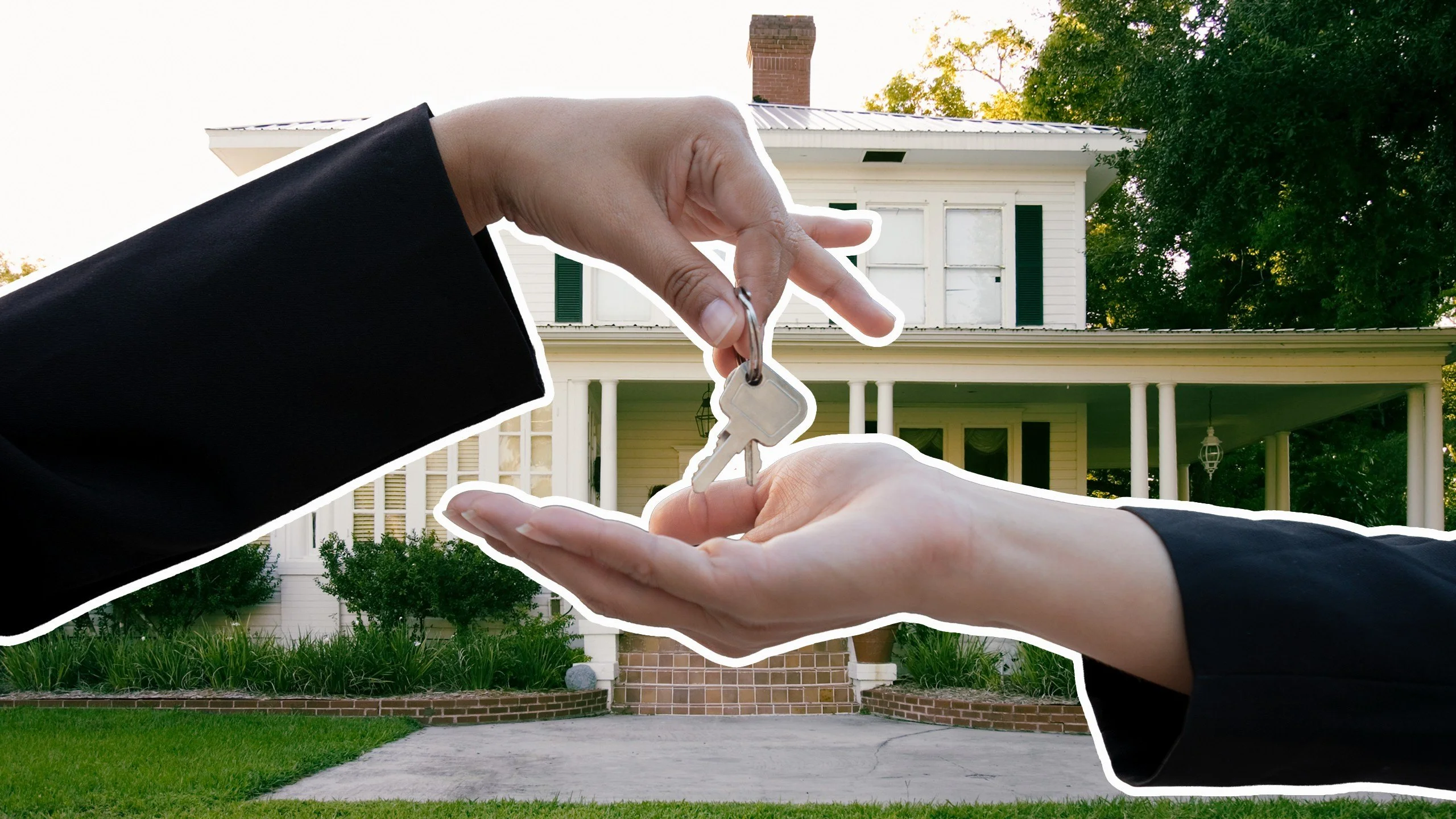
With the current average 30-year fixed mortgage rate standing at 6.65%, many potential homebuyers are hesitating to make a purchase, anticipating a drop in rates that experts suggest may not arrive anytime soon. Notably, previous lows around 3%, achieved during the pandemic, have become a distant memory following a series of Federal Reserve rate hikes that began in March 2022. Jake Krimmel, senior economist at Realtor.com®, indicates that revisiting such low rates appears unlikely in the near future.
However, a new pathway may be emerging for California residents interested in homeownership. The upcoming ballot for Proposition 37 this November could substantially assist middle-income buyers by enabling them to borrow up to 17% of a newly constructed home's purchase price, reducing their down payment to a mere 3%. This secondary mortgage structure could offer significant help to those eager to enter a challenging market.
Understanding Proposition 37
If Proposition 37 is approved, it would empower the California Housing Finance Agency (CalHFA) to launch a down payment assistance initiative, potentially funded through the issuance of up to $25 billion in revenue bonds. This innovative program aims to support only California residents purchasing newly constructed homes priced within specific limits, likely varying between $1 million and $1.5 million depending on regional considerations.
The proposed loan covers up to 17% of the purchase price, with first-time buyers required to contribute at least 3% as a down payment. Subsequent financing would be necessary to bridge the remaining costs. Although the program's details suggest that CalHFA will strive to keep interest costs manageable, precise rate caps and terms remain unspecified.
By incorporating this structure, buyers could avoid the need for costly private mortgage insurance (PMI) that typically accompanies down payments below 20%. The California Budget and Policy Center notes that with the anticipated median home price of $744,750 in July 2026, a buyer would only need approximately $22,340 upfront.
Eligibility for the Program
To qualify for Proposition 37, applicants must:
- Be a California resident for at least one year before applying
- Be a first-time homebuyer
- Occupy the home as a primary residence within 60 days of closing
- Have a household income no more than double the area median income (AMI)
The AMI varies by location, with current figures from the California Department of Housing and Community Development indicating that a four-person household in Los Angeles County may earn up to approximately $216,200 to remain eligible. However, specific income guidelines will likely be established by CalHFA.
Mortgage Rate Versus Down Payment Program
Comparing the implications of waiting for a 3% mortgage rate versus participating in a 3% down payment program reveals critical considerations for prospective buyers. Krimmel warns that buyers aiming for a drop in rates should prepare for a long wait, suggesting the possibility of never seeing those numbers again. Even reaching a 5% rate might take significant time.
If rates do decline, buyers positioned to wait may find themselves with better monthly payment options than those engaging in the Prop 37 program. However, buyers taking advantage of this program may find that the dual-loan structure complicates future refinancing opportunities. Typically, consolidation of loans involves approvals from both lenders, potentially leaving borrowers unable to restructure their primary mortgage even if market rates drop.
While equity is often a primary driver of homeownership decisions, Krimmel emphasizes the broader values of homeownership, including stability, forced savings, and predictable expenses. These benefits may appeal to renters deliberating their transition into owning property.
Guidance for Aspiring Homebuyers
For those navigating their options in this convoluted environment, Krimmel advises against waiting for a specific interest rate. If current payments seem excessive, he encourages widening the search radius, as price disparities exist across the state. Moreover, fall could present a more advantageous landscape for buyers, characterized by increased inventory and more negotiable sellers.
Ultimately, rather than attempting to time the market precisely, prospective buyers should prioritize thorough lender comparisons, sharpen their financial positioning, and aim to save for a more substantial down payment. Focusing on controllable factors today will enhance their readiness for favorable buying conditions in the future.
Discussion
Sign in to join the discussion.