Underwater mortgages are climbing in states like Minnesota and Iowa, impacting homeowner mobility and market dynamics.
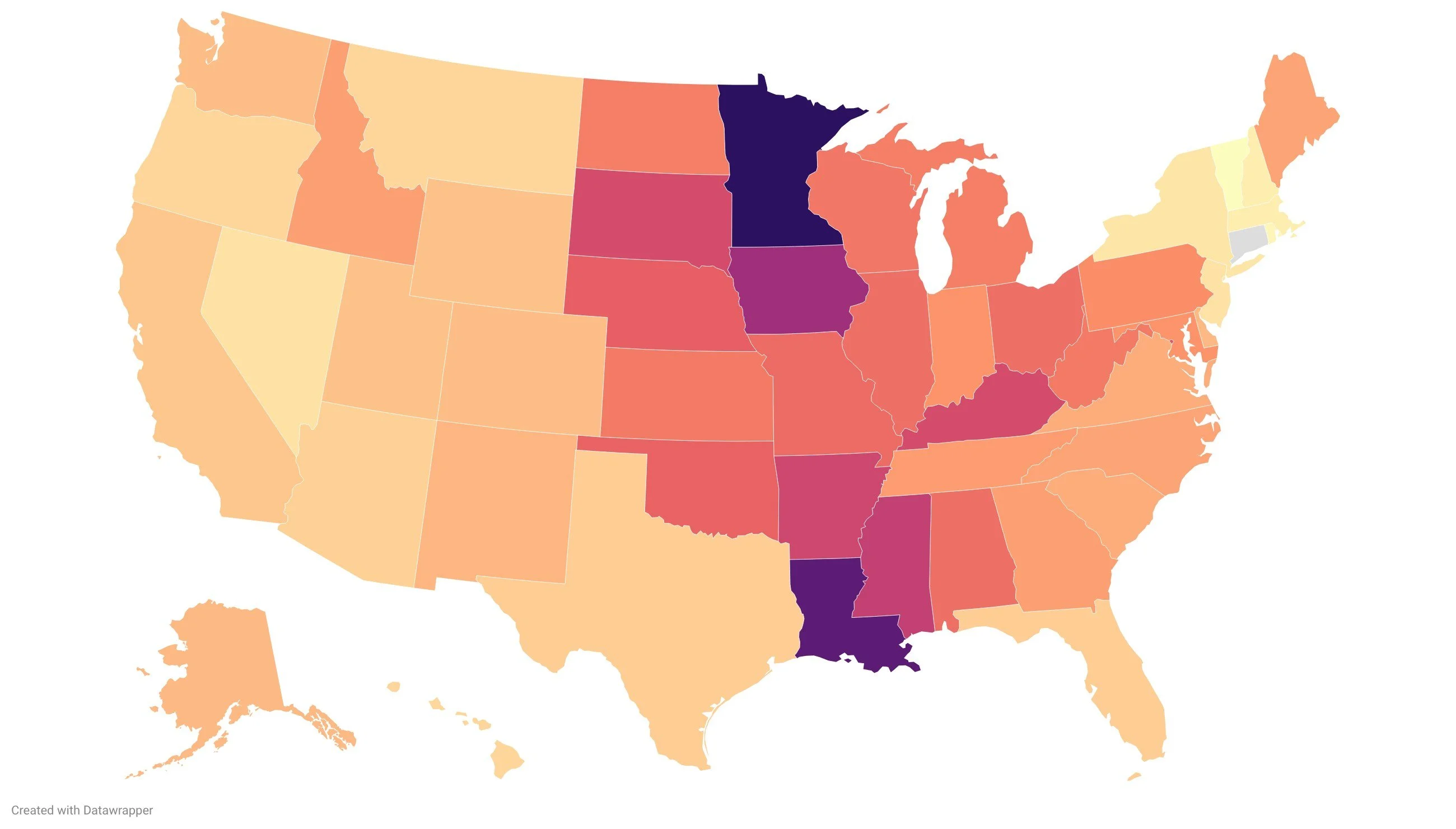
The real estate market is witnessing a concerning uptick in underwater mortgages, with 3.2% of homeowners now finding their mortgage balances exceeding their home values by 25% or more, as reported by ATTOM. This marks a half-percentage-point increase from last year and translates to an estimated 1 to 2 million properties affected across the U.S. Such figures paint a worrying picture of the housing market's health, raising alarms about homeowner equity and potential foreclosures. It also prompts questions about the sustainability of current home prices, especially in regions where prices have seen less stability.
Emerging Trends in Underwater Mortgages
Notably, states such as Minnesota, South Dakota, Iowa, and Michigan are experiencing significant rises in their underwater mortgage rates. For instance, Minnesota has seen its percentage jump from 2.6% to a staggering 12.1% over the past year. This shift illustrates a troubling trend, linking back to recent buying patterns and local economic conditions. Buyers who entered the market during its peak, often with minimal equity and attractive low-interest rates, are now facing diminishing home values, leading them to owe more than their properties are worth.
States Most Affected by Rising Underwater Mortgages
According to the latest report, South Dakota's underwater mortgages increased from 3.1% to 5.7%, Iowa's climbed from 5.9% to 7.8%, and Michigan’s went from 2.5% to 4%. Meanwhile, the District of Columbia saw a rise from 3.7% to 5%. These figures highlight a broader trend of declining equity for many homeowners in the Midwest, contrasting sharply with coastal states where property values have surged. Here’s the thing: the Midwest, traditionally considered stable regarding housing values, is experiencing a troubling adjustment. Homeowners in this region are seeing their equity evaporate just as higher interest rates are hindering refinancing opportunities—effectively trapping them in their homes.
Conversely, states like Louisiana, Kentucky, North Dakota, and New York have reported decreases in underwater mortgage rates. For example, Louisiana's rates fell from 11.9% to 10.3%, suggesting some stability in these markets amidst the broader fluctuations in the housing ecosystem. It’s baffling; while some markets struggle, others appear to be rebounding or at least holding steady, demonstrating the disparity in how local economies are faring. The difference in tax structures, employment opportunities, and demographic trends can heavily influence these outcomes.
Market Characteristics and Trends
Mujahid Merchant, a mortgage researcher, points out that underwater mortgages have traditionally been prevalent in climates exposed to hurricanes or coastal risks. Interestingly, those areas have shown improvement this market cycle, while the Midwestern states are acquiring higher concentrations of such challenging mortgages. This trend is driven by localized economic conditions, especially low down-payment loans from 2022 and later. When many opted for these loans, they might have unknowingly put themselves at risk for future financial instability, should their property's value decline.
As interest rates have risen post-pandemic, many homeowners have opted for Federal Housing Administration (FHA) loans that allow for down payments as low as 3.5%. In regions like Minneapolis, where the real estate market skyrocketed in popularity in late 2022, many new homebuyers found themselves purchasing at peak valuations yet benefitting from negligible price appreciation thereafter. This phenomenon isn't isolated; many buyers across similar markets are now discovering the harsh reality that they owe more than their homes are worth.
Though Minneapolis was once highlighted for its housing boom, the market has since slowed, with values increasing by less than 1% over the past year. That stagnation, coupled with the high loan balances from low down payments, creates a significant risk for underwater mortgages among recent buyers. Similarly, states such as South Dakota and Michigan share these economic characteristics, leaving homeowners vulnerable to potential market shocks. And yet, this situation isn’t solely reflective of personal choices but rather broader systemic issues within the housing market.
Advice for Homeowners
Cameron Walker, a real estate expert, emphasizes that those in underwater situations should resist the panic mindset. The risk only heightens when there’s a pressing need to sell, refinance, or tap equity. For many, staying in the home and paying down the loan is the advisable route, especially as market conditions may shift in favor of homeowners in the future. If you're working in this space, understanding the landscape of underwater mortgages can help you navigate these challenging waters.
As the market continues to shift, monitoring these trends will be essential. Homeowners considering selling might benefit from reaching out to local real estate agents to gauge their current market values. What this means for you is a careful examination of your financial situation, and perhaps a reevaluation of long-term housing strategies. Getting professional insights can empower you to make informed decisions that align with both market realities and personal circumstances.”
Looking Ahead: Implications for Future Housing Markets
As we look ahead, the rise in underwater mortgages takes on added significance. The implications are broader than individual financial distress; they echo through the housing market, affecting everything from new construction to local economies. A potential increase in foreclosures could destabilize communities and contribute to downward pressure on home prices, further exacerbating the cycle of underwater mortgages. This is more significant than it looks and could lead to a tricky adjustment period for many homeowners and investors alike.
In essence, the real estate market faces a critical junction, with both threats and opportunities shaping what lies ahead. Whether it's tighter lending practices, changing buyer demographics, or fluctuating interest rates, the future calls for vigilance and strategic thinking. Now's the time for stakeholders in the housing market to brace for what’s on the horizon.
Discussion
Sign in to join the discussion.