Blue Hood Games has launched Europe Heatwave Simulator, where players endure a relentless heatwave in Paris without air conditioning.
Introducing the Heatwave Challenge
Blue Hood Games has introduced a new survival game titled Europe Heatwave Simulator. This immersive experience challenges players to endure a 14-day heatwave while confined to a typical apartment in Paris. Available on the Steam platform for Windows desktops, the game plunges players into extreme conditions where temperatures reach an oppressive 42 degrees Celsius. For those familiar with the sweltering summer months in Europe, this scenario may hit a little too close to home.
Realities of Summer Living
This isn't just a game for entertainment; it encapsulates real challenges faced during heat waves, where traditional comforts like air conditioning may not be available. As many urban dwellers can attest, managing daily life becomes even more daunting when temperatures soar. Players must navigate not only their character's basic needs—hydration and food—but also the stress of remote work obligations from a laptop placed on their dining table. This dual focus reflects a growing trend of remote work against the backdrop of rising temperatures, blending personal survival with professional responsibilities.
Player Experience and Decision-Making
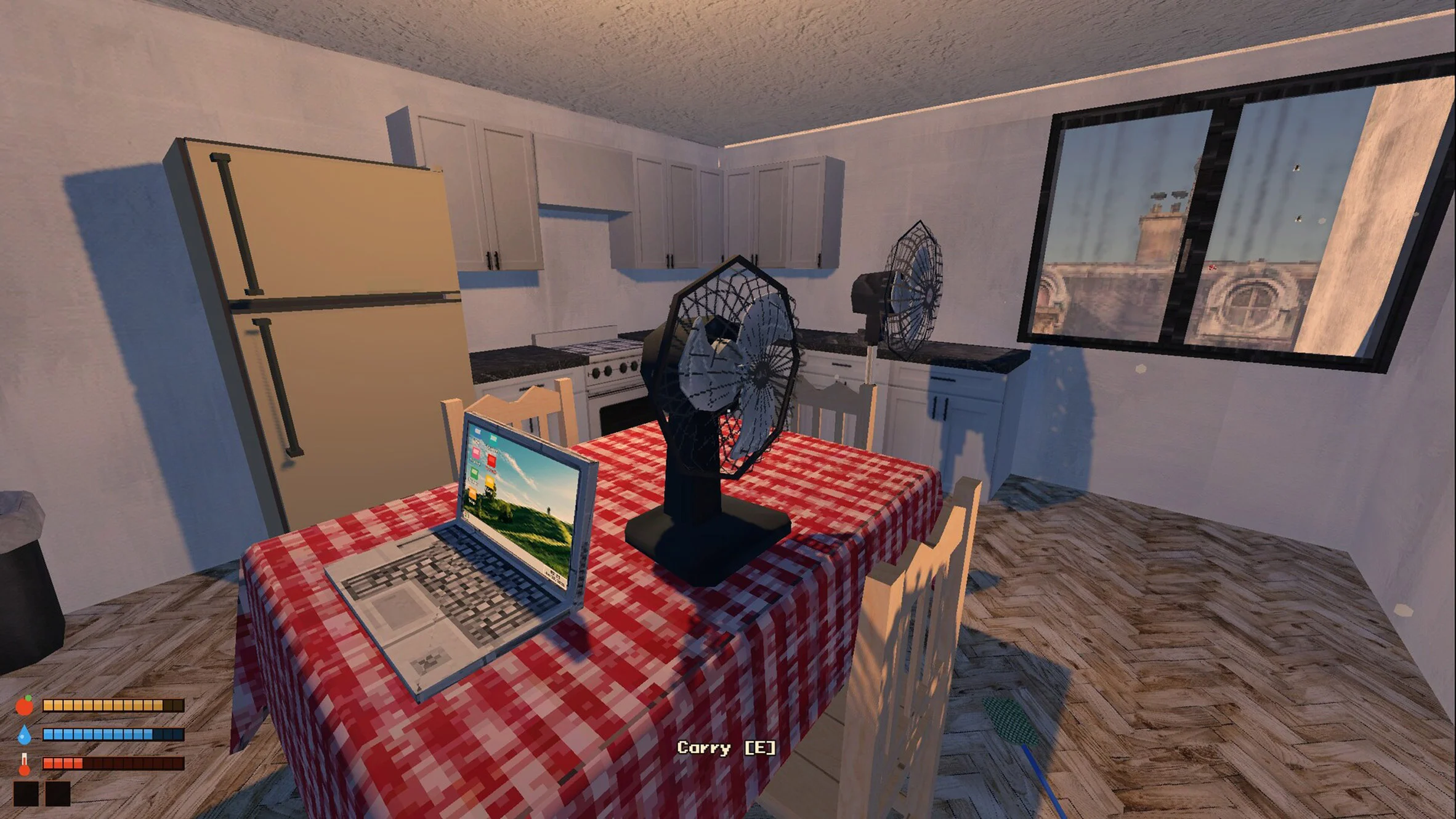
Described by the developers as infusing "dark humour" with the stark realities of modern European summers devoid of cooling systems, the game employs a low-polygon graphic style that harkens back to early PlayStation titles, creating a nostalgic appeal. Here’s where it gets interesting: players must make critical decisions that could either ease or exacerbate their discomfort. For instance, should they open a window to let in some airflow, risking an invasion of mosquitoes? It’s a daily dilemma that many people face in the warmer months, and the game reflects such decisions through its unique challenges.
Critique of Consumer Culture
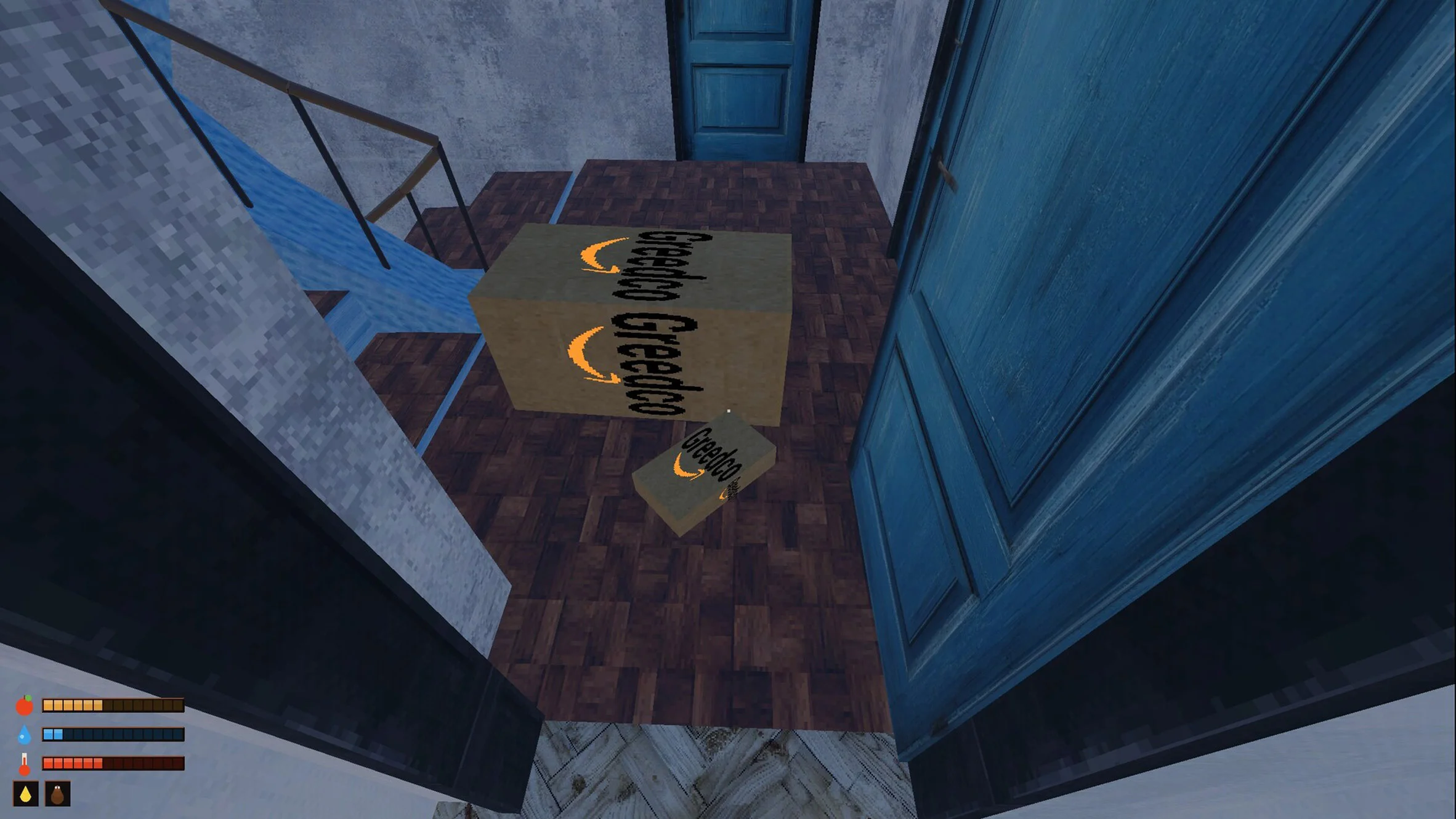
In the game, players can purchase fans, ice packs, and various gadgets from a fictional company called Greedco. The design and concept evoke a satirical take on consumer culture, poking fun at how we often resort to purchasing overpriced solutions in times of crisis. Greedco’s logo cleverly mirrors a well-known online retailer, further amplifying the critique of how consumer behavior shifts in response to immediate needs.
This commentary on consumerism isn't just a gimmick. It reflects a broader societal trend where companies may exploit crisis situations for profit. The game subtly prompts players to consider their own purchasing decisions when faced with extreme conditions. Are we really in control of our choices, or are we merely pawns in a consumerist game? (And this is the part most people overlook.)
The Chaos of Scarcity
One standout moment in the game trailer features chaotic scenes of players competing in a supermarket to grab scarce air conditioning units, an image that strikes a nerve, especially during summers marked by extreme heat. This gameplay moment amplifies the satirical tension that accompanies real-world scenarios where urgent demand leads to frantic quests for resources. It echoes real-life desperation, revealing how individuals might behave when acutely aware of their vulnerabilities in a climate crisis.
Reflection of Contemporary Challenges
As Europe grapples with severe heatwaves this season, including record-breaking temperatures in France, the release of Blue Hood Games’ simulator serves as a cautious mirror reflecting contemporary challenges. It raises poignant questions about the normalcy of extreme weather and how a lack of preparedness can lead to significant discomfort, both physically and mentally. This isn't just a casual gaming experience; it’s a commentary on the increasing unpredictability of our summers.
Looking Ahead: Implications for Society and Gaming
What does this game say about our future? The integration of humor and serious issues within a gaming context might grow in popularity. As the consequences of climate change become more pronounced, blending entertainment with social commentary could resonate with a wider audience. Especially among younger gamers who frequently advocate for climate justice, these kinds of simulations could influence perceptions and encourage discussions about preparedness and adaptability in the face of environmental changes.
If you're working in this space, consider how games can serve as both a reflection of societal issues and a tool for raising awareness. The challenge will be to maintain a balance between entertainment and message without veering into preachiness. So, as you witness the release of games like Europe Heatwave Simulator, think about the conversations—and the actions—they may inspire in our communities.
The images and video are courtesy of Blue Hood Games.
Discussion
Sign in to join the discussion.